Folding Picnic Totes for Family Park Days: Options Compared
Compare folding picnic totes by capacity, food separation, handles, liner care, and how the tote fits your route.
Choose a folding picnic tote when you want one carry shape for food, utensils, and cleanup supplies and a smaller storage shape at home. Compare the tote’s actual structure with your menu and route; a tote is not automatically a cooler or a backpack.
This guidance draws on the linked manufacturer pages and product listings. No carry-comfort, capacity, insulation, or hands-on ranking is claimed.
Two tote shapes to compare
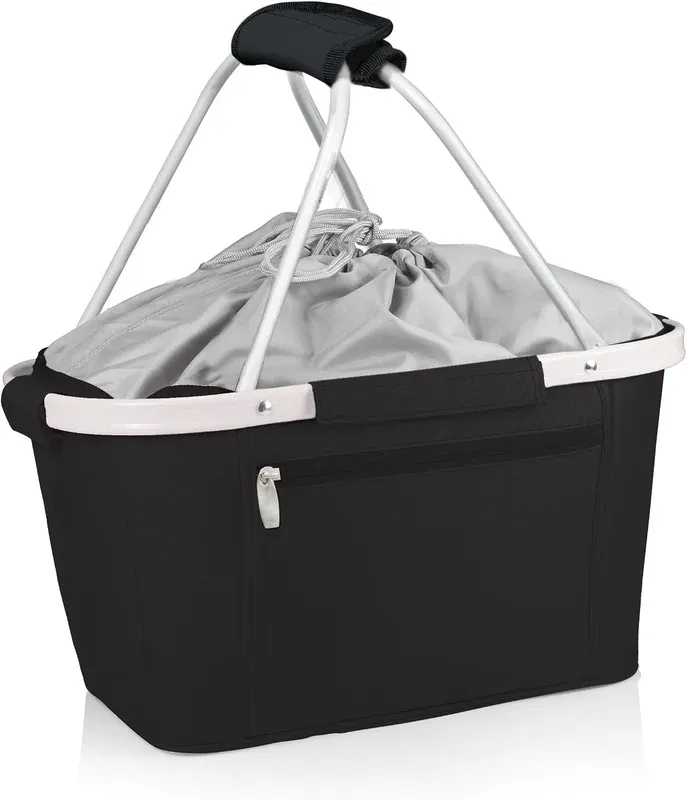
The Picnic Time Metro Insulated Basket has an insulated body, collapsible aluminum frame, and expandable drawstring top. Its listing gives an expanded size of about 19 by 12 by 9 inches. It fits a car-to-blanket picnic where cold food needs its own carrier; confirm the exact variant’s fit and care instructions before packing it.
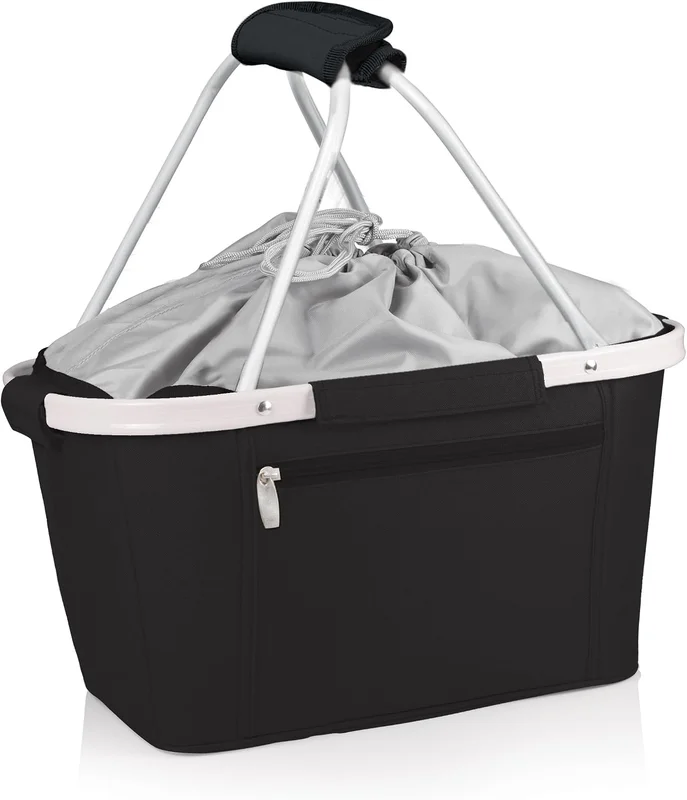
Picnic Time Metro Insulated Basket
The BAGGU Horizontal Zip Duck Bag is a washable canvas tote with a zip closure, interior patch pocket, adjustable strap, and top handles. Its listed 17-by-4.25-by-12.5-inch shape suits a light, dry walk-in load, but it is not an insulated cooler.
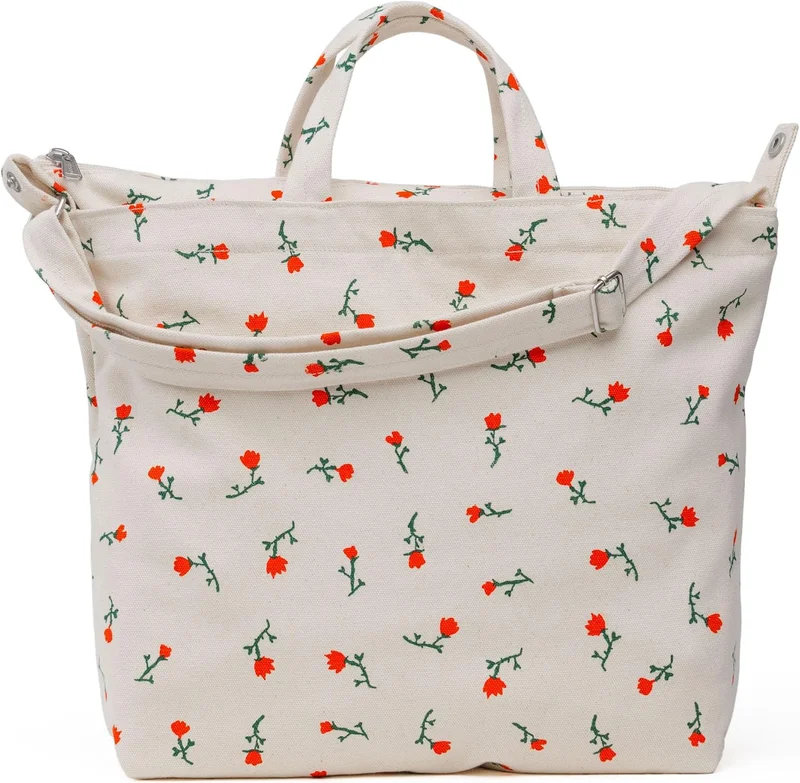
BAGGU Horizontal Zip Duck Bag
Decide what the tote must carry
Lay out the food containers, water, blanket, wipes, and spare clothing you expect to bring. Separate items that need cold storage from shelf-stable food. Use the USDA’s food safety guidance for hiking and camping for the cold-food plan.
The park picnic checklist helps build the load. If the route is a walk or transit trip, the car-free outing guide may lead you toward a smaller tote or backpack.
Compare the tote shape
Look for:
- A base that stays stable when set down
- Handles that fit the adult who will carry it
- A closure that protects the contents
- Interior space that matches your containers
- A liner or surface with clear care directions
- Fold or collapse instructions that you will actually use
The official Picnic Time new collection and XL canvas tote page show examples of the product forms and maker-listed specifications. Confirm the exact model’s dimensions, materials, insulation, and care instructions before buying.
Do not confuse tote and cooler jobs
Some totes organize a picnic; some include insulation; some are simply open carry bags. Read the manufacturer’s wording for the exact product. If a tote does not state that it is an insulated cold carrier, plan perishable food separately.
For a small meal, a dedicated insulated lunch bag inside a larger tote may make more sense. The insulated lunch bag comparison explains the cold-storage decision.
Check the empty size
Folding only helps if the empty tote fits the place where you store it. Check whether the fold requires a rigid insert to be removed and where that insert goes. Consider whether the tote can be cleaned and dried before it is collapsed.
Choose the tote that matches the actual picnic load and route. Recheck current dimensions and availability on the manufacturer’s page; this guide does not rank products or report current prices.
Keep the tote’s jobs separate
Use the tote for clean, dry picnic items and a dedicated insulated bag for food that needs cold storage. Put wet clothing in a wet bag and sandy toys in their own container. This keeps a folding tote easier to clean and prevents a spill from reaching every part of the picnic.
Before leaving, put the empty containers back in the same order you used to pack them. At home, open the tote and dry it before collapsing it. A folding feature is useful only when the reset fits the family’s ordinary routine.
Explore more park outings.