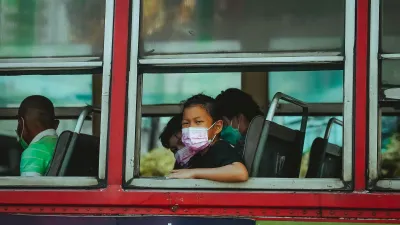
Planning a Park Outing Without a Car
Plan a walk-to-the-park outing with young children by matching the route, load, pace, and exit plan.
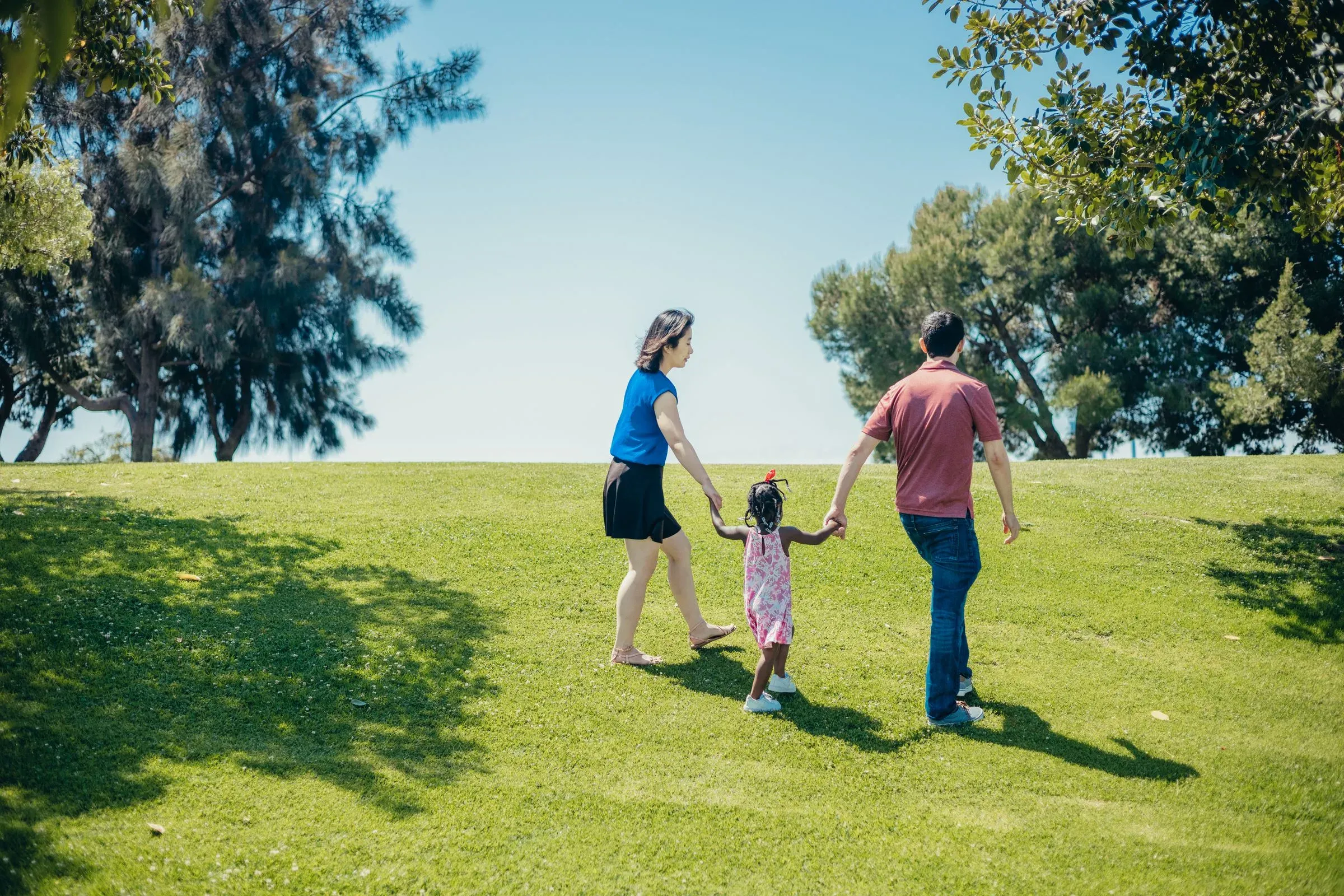
A car-free park outing is a route-planning problem before it is a packing problem. Choose a route children can manage, decide how the bag and stroller will work, and keep enough time for a slower return.
Walk the route on paper first
Check the distance, crossings, curb cuts, hills, shade, bathrooms, and places to stop. Look at the route home as carefully as the route out. A child who can walk to the park may still need a ride or a break on the return.
For the road portions, use the National Highway Traffic Safety Administration pedestrian-safety guidance alongside your local crossing rules. The route should work for the adult’s attention and the child’s pace, not only on a map.
Choose a turnaround point before leaving: the park entrance, a specific bench, or a time that leaves a buffer for home. The visit-length packing list helps match the load to that route.
Carry less than you think
Use water, one snack, wipes, a spare layer, toileting supplies, and a small cleanup bag as the base. Add a blanket or sit pad only when the destination requires it. A portable activity should be small enough to carry home if the child stops using it.
Put the first snack and water where an adult can reach them. Keep wet or dirty clothes in a separate bag. The one-bag park kit uses zones that work well when the same adult is pushing, carrying, or holding a child.
Give the walk a shape
Tell children the sequence: walk, arrive, play, snack, and walk home. Use landmarks rather than a minute-by-minute promise. Offer a pause before the child is tired enough to refuse the remaining route.
If a child rides in a stroller or carrier, follow the equipment’s instructions and your normal safe-use routine. Plan where that equipment rests while the child plays.
Plan weather and water
Hot weather may turn a normal walking route into a shorter outing; use the hot-weather preparation guide. Cold or wet weather may make the return harder; use the cold-weather guide or rain plan.
Bring water for the route, not only for play. If the park does not have a reliable refill source, carry the amount the family needs or choose a shorter route.
Make the return the success measure
Give a departure warning before children are empty. Gather people, water, and the bag, then start home. If the route no longer works, use the planned option: a bench break, a call to another adult, or an earlier turn.
The short park stop plan is a useful fallback when a planned walk needs to become a brief outing. A car-free visit succeeds when the whole route is manageable, including the last block home.
Before leaving, practice the route’s longest section with the child if it is new. Tell the child where the adult will stop for a break and what happens if the child’s legs are tired. A short familiar route is a better first experiment than a long route chosen only because the destination looks attractive.
Explore more park outings.