
Nature Pattern Hunt: Lines, Spots and Repeats
Try a nature pattern hunt for ages 3–7 using bark, leaves, shadows, clouds and park surfaces without collecting or disturbing anything.
Have Fun at the Park Editors
Slow down and notice what is already around you. Explore observation games, seasonal ideas and practical guides to looking closely without collecting or disturbing wildlife.
37 articles
Try a nature pattern hunt for ages 3–7 using bark, leaves, shadows, clouds and park surfaces without collecting or disturbing anything.
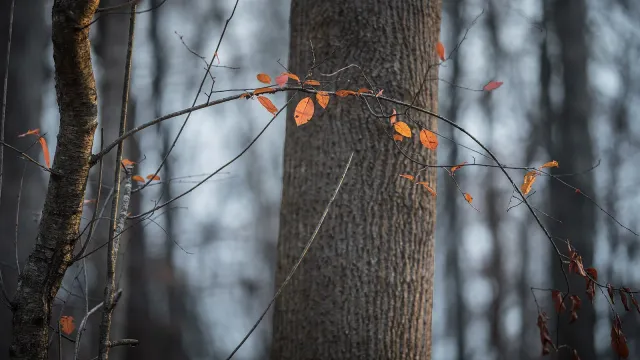
Play a look-only nature color hunt for ages 2–7 with shade comparisons, color clues and a simple park-friendly tally.
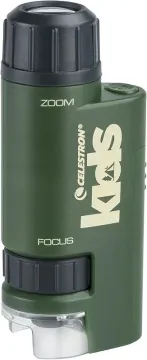
A researched guide to pocket microscopes for kids, comparing portability, lighting, magnification claims, specimens and park practicality.
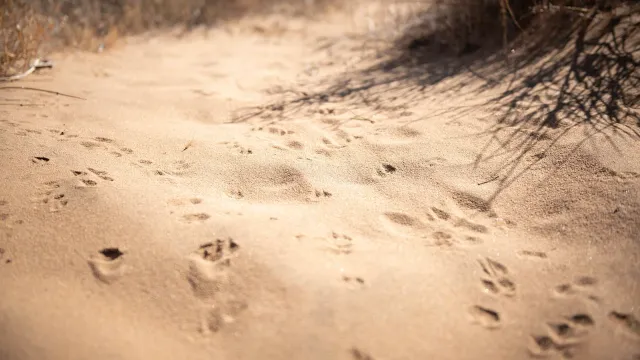
Use animal-track activities for ages 4–7 to compare prints and signs without following, feeding or approaching wildlife.
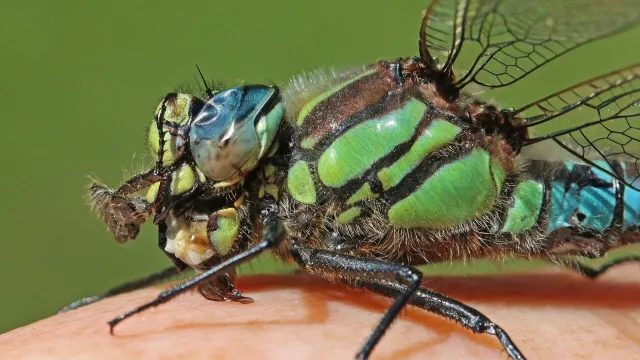
Plan a gentle insect observation activity for ages 3–7 using distance, time and habitat clues, with clear no-touch and release boundaries.
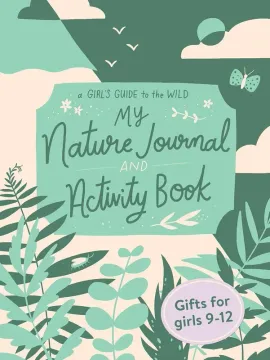
A researched guide to kids’ nature journals, comparing blank and prompted pages, paper, size, seasonality and whether a plain notebook works.
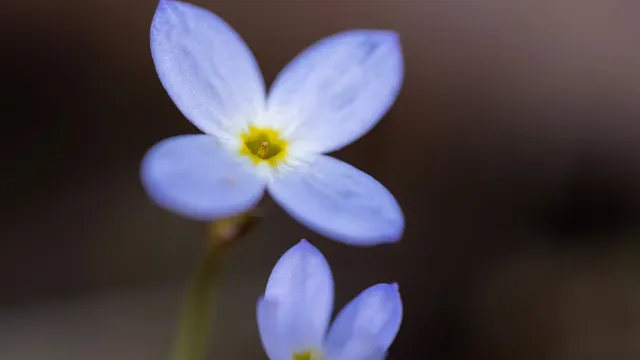
Try flower observation activities for ages 3–7 using color, shape, change and pollinator distance without picking, touching or tasting plants.
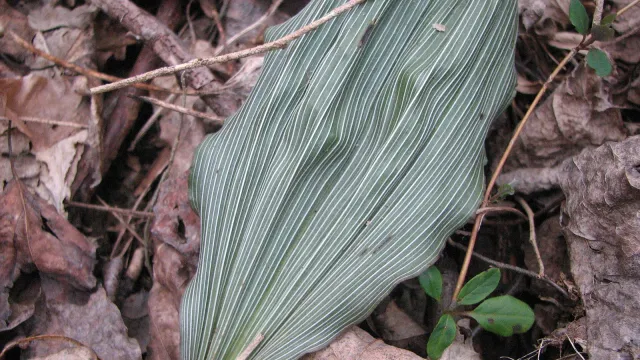
Use leaf observation activities for ages 2–7 to compare shape, edge, color and position while leaving living plants and fallen leaves in place.
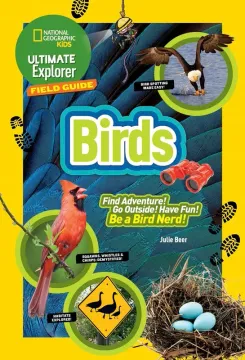
Choose bird-watching books for ages 3–7 by job: story, field identification, activity, or recording, with publisher evidence and clear limits.
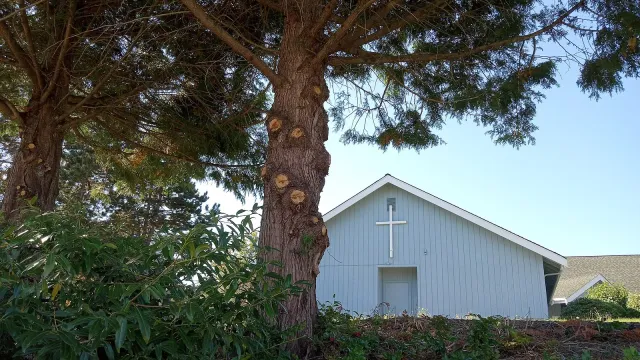
Use tree observation activities for ages 3–7 to compare bark, branches, canopy and seasonal change without climbing or damaging a tree.

Try safe pond observation activities for ages 3–7 using reflections, movement and sound while staying back from water and following park rules.
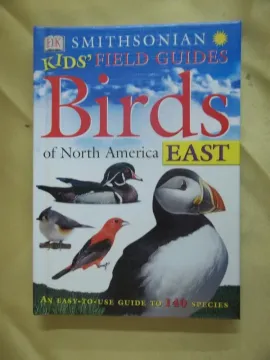
A researched guide to kids’ bird field guides, comparing regional coverage, page design, portability and whether a child can use one outside.
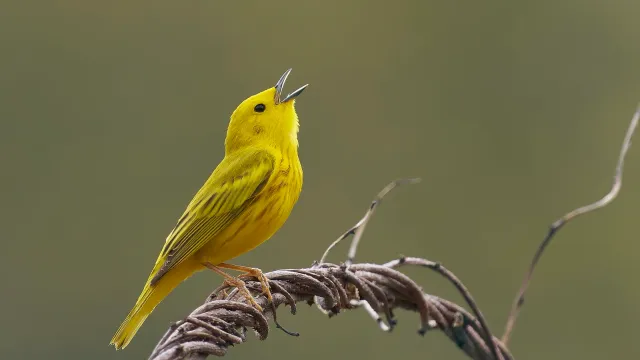
Use bird identification games for ages 3–7 that work even when children cannot name a species, from silhouette clues to habitat matching.
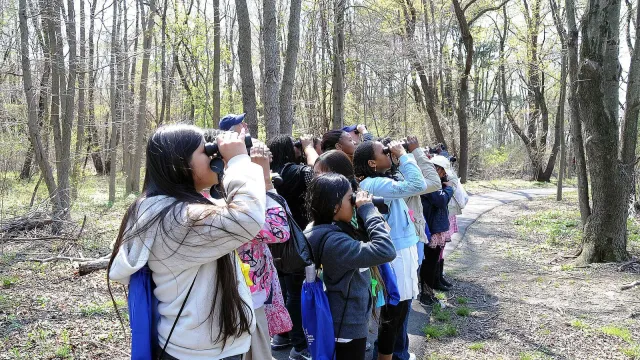
Plan a beginner bird-watching routine for ages 3–7 with listening, stillness, distance and local references that do not require bird expertise.
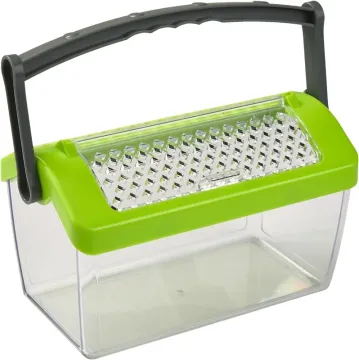
Compare a homemade nature kit with a packaged set for ages 3–7 by repeat use, storage, tool overlap, supervision and park rules.

Help children ages 4–7 observe clouds, wind, ground conditions and light at the park without turning a simple log into a forecast.
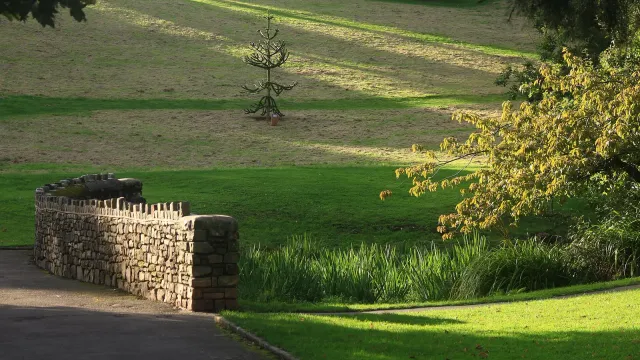
Try safe shadow activities for ages 3–7 using fixed objects, changing light and simple drawings without climbing or moving park equipment.
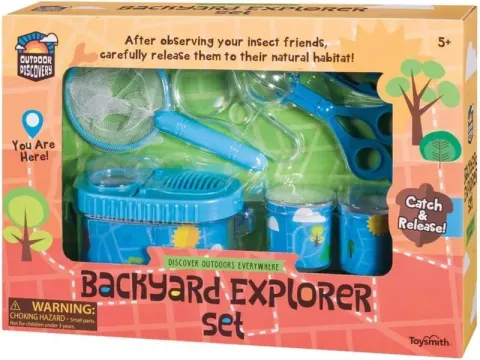
A researched guide to nature explorer kits for kids, comparing tools, carry format, age labels, storage and whether each piece earns space.

Use simple cloud watching activities for ages 3–7 to notice shape, coverage and movement while keeping weather safety clear.
Lead a short sound walk for ages 2–7 with listening pauses, gentle sound descriptions and clear boundaries around birds and wildlife.
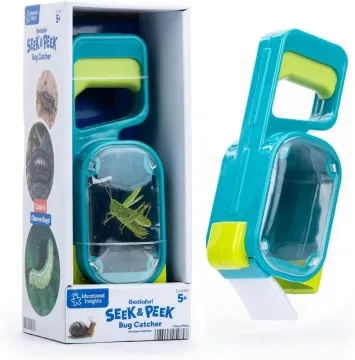
Compare bug viewers for kids by container size, magnification, ventilation, cleanup and supervision before bringing one to the park.
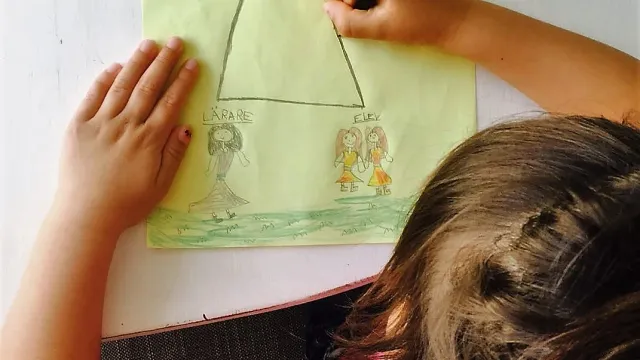
Try five nature drawing activities for ages 3–7 based on lines, shapes, patterns, shadows and seasonal change, without demanding perfect pictures.

Use practical nature journal prompts for ages 4–7 that turn a blank page into noticing, comparison, questions and simple records.
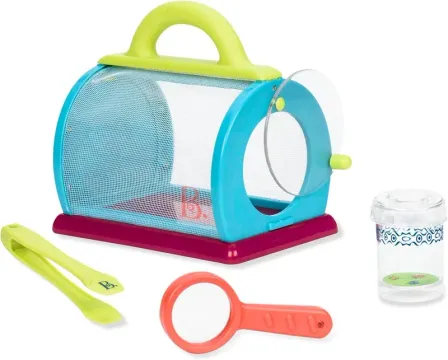
A researched guide to bug catcher kits for kids, comparing ventilation, viewing, small parts, release routines and park rules.
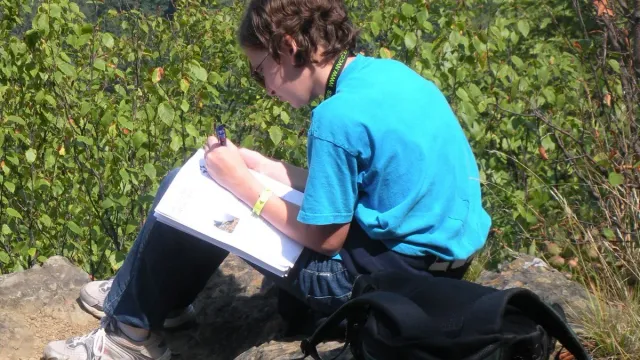
Start a nature journal with children ages 4–7 using one subject, a few words or a drawing, and a repeatable park observation routine.
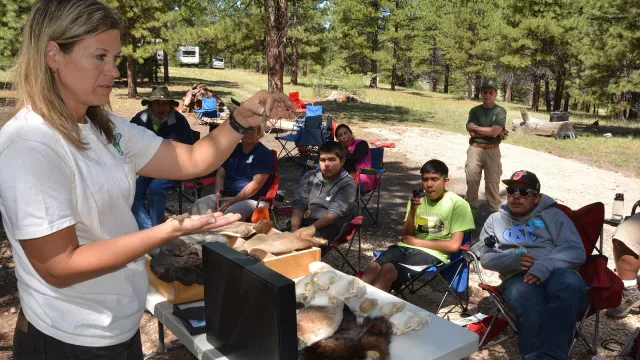
Teach a repeatable nature observation routine for ages 4–7: choose one subject, describe visible details, ask a question and record it.
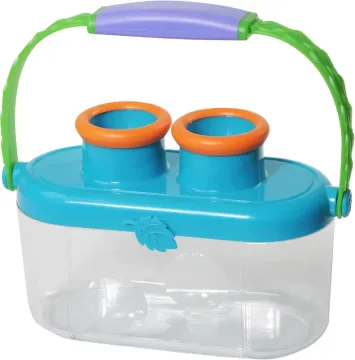
Compare a handheld lens and a lidded bug viewer for kids by subject, movement, ventilation, supervision, cleanup and park rules.
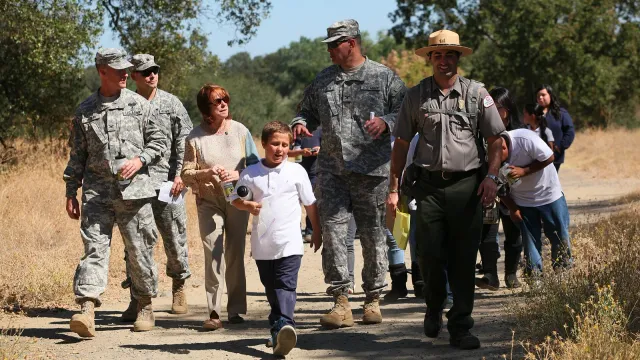
Use four simple nature walk activities for ages 2–7: sound, shape, color and one-subject observation on a short park route.
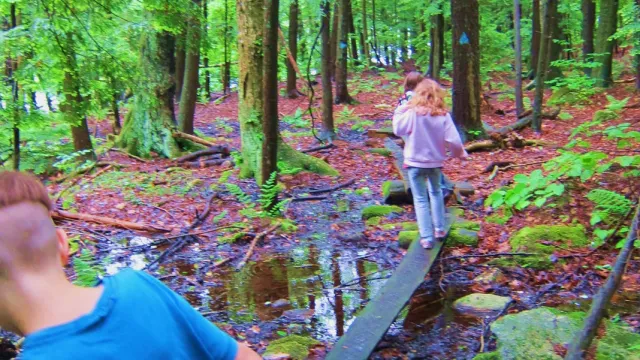
Try calm nature activities for preschoolers ages 3–5 using color, sound, shape and seasonal change without collecting or naming everything.
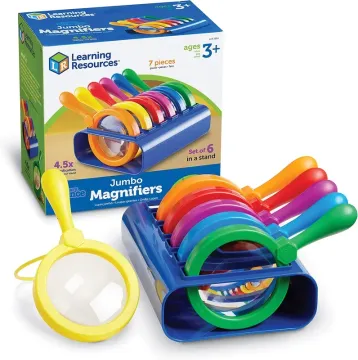
A researched guide to kids’ magnifying glasses, comparing handle size, lens area, built-in stands, storage and when a free close look is enough.
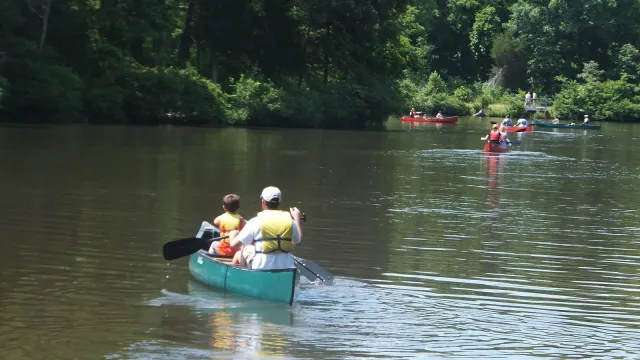
Choose outdoor nature activities for ages 2–7 by time, space and energy, from sound walks to seasonal observation and temporary art.
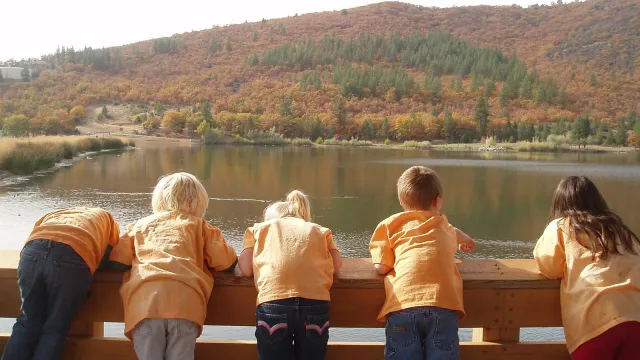
Use a flexible nature bingo game for ages 3–7 with look-only squares, short rounds, mixed-age jobs and low-impact park rules.
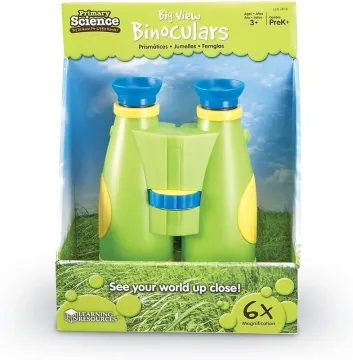
Compare toy and optical binoculars for kids by focus, eye placement, weight, frustration and whether borrowing is the smarter park choice.
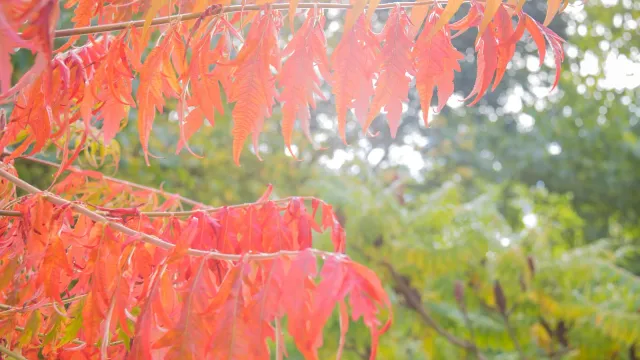
Use fall leaf observation activities for ages 3–7 to compare color, edge, shape and position without making children collect leaves.
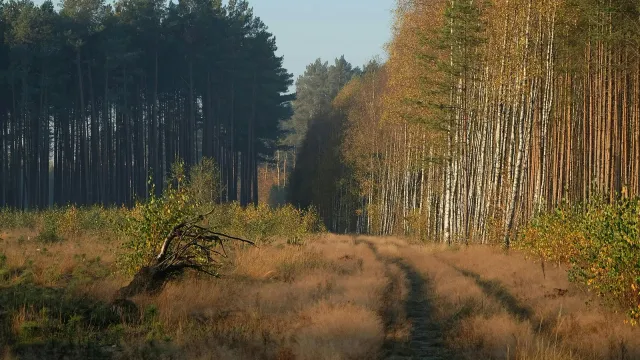
Plan a look-only fall nature scavenger hunt for ages 3–7 with leaf colors, textures, seeds, shadows and warm-climate substitutions.
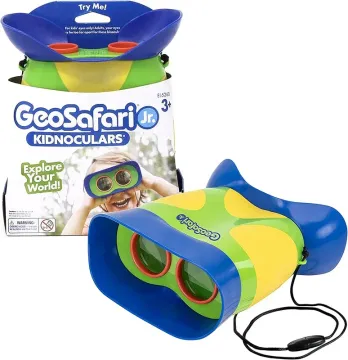
A researched guide to kids’ binoculars for park walks, comparing fit, focus, weight, strap design and when borrowing beats buying.
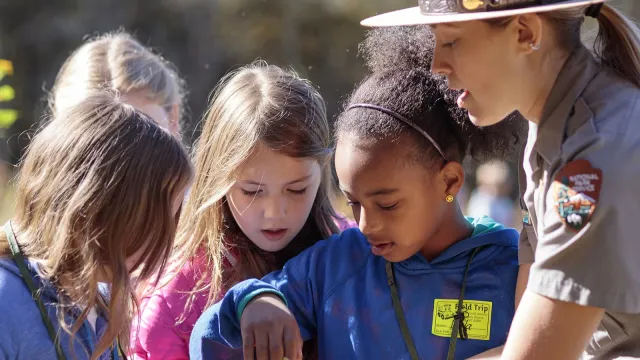
Plan a low-impact nature scavenger hunt for ages 2–7 with picture clues, observation prompts, park-ready rules and easy variations.