Nature Color Hunt for Kids: Compare, Don’t Collect
Play a look-only nature color hunt for ages 2–7 with shade comparisons, color clues and a simple park-friendly tally.
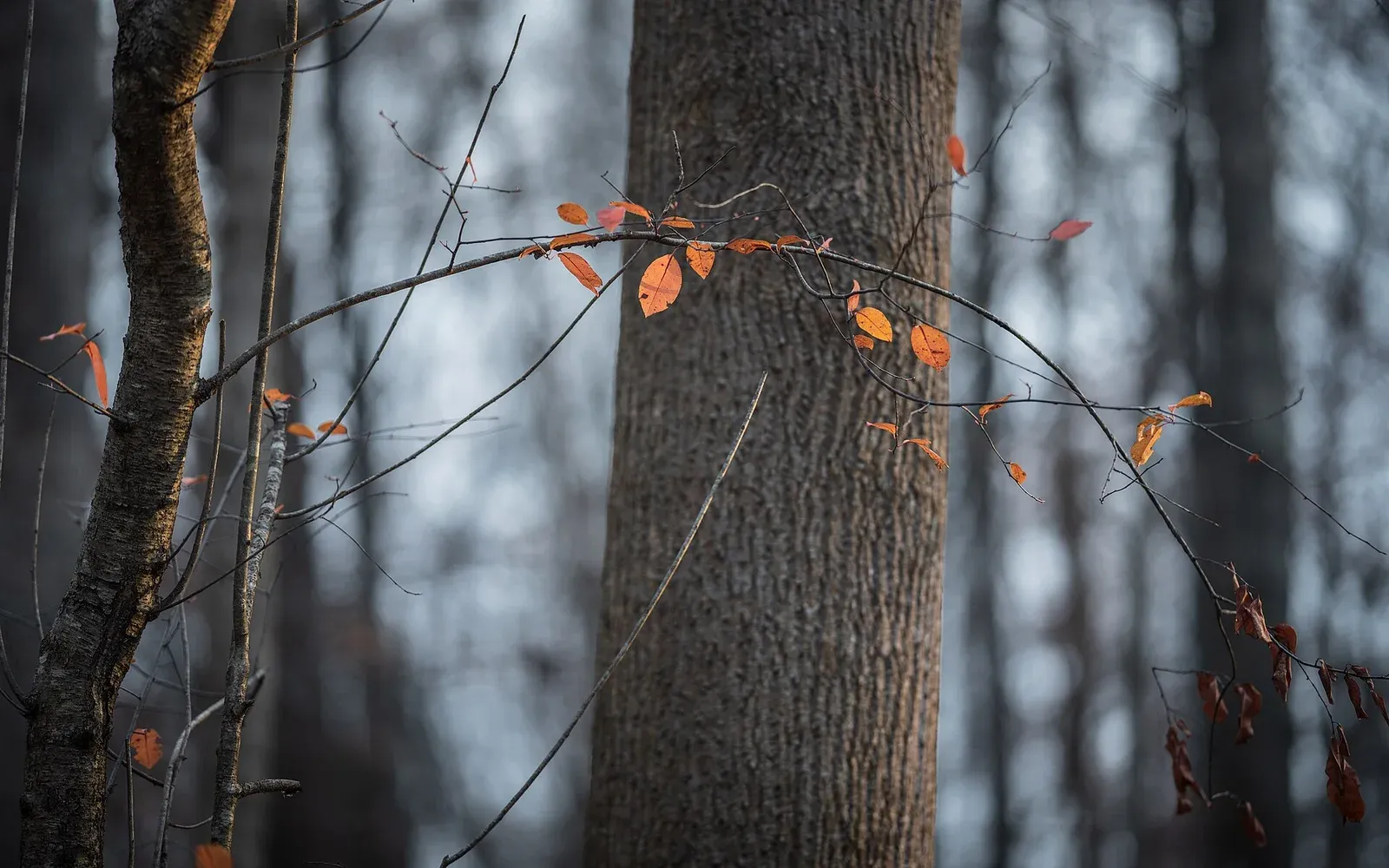
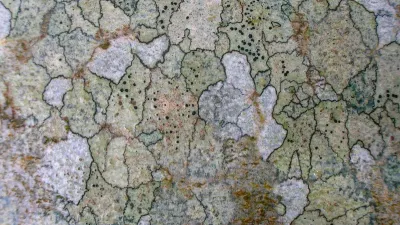
A nature color hunt asks children to find colors without picking anything. Choose a small view, look for two shades of one color, and notice a color that appears only once. Pointing, drawing, taking a permitted photograph, or making a tally all count.
The National Park Service Leave No Trace principles recommend leaving natural objects where they are. Making the game look-only keeps it simple to supervise and easy to repeat.
Choose a color rule
Start with one rule:
- Find two shades of green.
- Find a color that changes in the shade.
- Find one warm color and one cool color.
- Find a color that appears in a leaf, a flower, and a built object.
- Find the quietest color you can see.
Use broad words for young children. “Yellow-green” or “gray-brown” can be an older child’s optional detail. There is no need to teach a fixed color list.
Keep the hunt in one view
Choose a tree, bench area, lawn edge, or path segment. Ask the child to stand beside the adult and point from there. If the park has planted beds, stay outside them.
For a 10-minute visit, choose three colors. For a 20-minute visit, compare colors in sun and shade. Use nature bingo if the child enjoys checking several kinds of clues.
Add a record
Draw three circles and shade them with pencil marks. Write the place and date. Older children can make a tally of how many different shades they notice, but the number is less important than the comparison.
Ask, “What made that color look different?” Light, moisture, distance, and the object itself may all matter. Let the child’s question remain open.
Make it accessible
A child who does not want to walk can color-hunt from a bench. A child who needs movement can move between two adult-chosen stopping points. A younger sibling can point while an older child records.
Do not use color as a species-identification test. A flower, leaf, or bird can vary, and a distant view is limited. Stay with what is visible.
Compare colors instead of collecting them
Choose three color words that are likely to appear in the park, then search from a path or bench. Ask the child to point to the lightest and darkest example of one color. A toddler can match a crayon or shirt to a view; an older child can draw two color blocks and note whether they came from leaves, sky, pavement, or another permitted view. Do not pull a leaf or flower to complete a color list. If a color is absent, replace it with a shade already visible. The goal is to compare what is present today, not to prove that every season has the same palette.
Sources and related reading
- National Park Service, Leave No Trace Seven Principles
- National Park Service, Recreate Responsibly
- Add shape to the hunt with nature shapes hunt.
- For a season-specific version, use fall nature activities.
Explore more nature play.