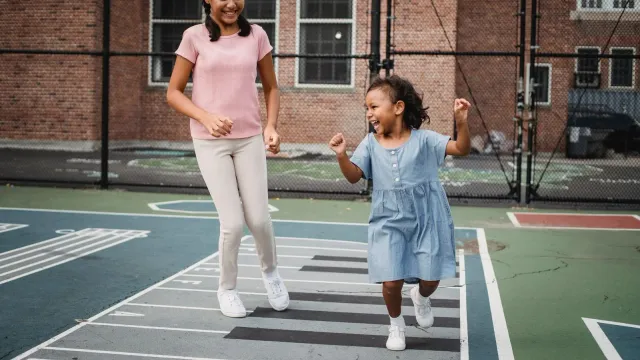
Jumping Games for Preschoolers: Lines, Islands, and Pauses
Try simple jumping games for preschoolers with ground lines, two-foot choices, and pause cues. Switch to walking when the surface changes.
Have Fun at the Park Editors
Choose a game for the children, space and energy you have today. Start with simple rules, a clear place to play and an easy way to take a break.
37 articles
Try simple jumping games for preschoolers with ground lines, two-foot choices, and pause cues. Switch to walking when the surface changes.
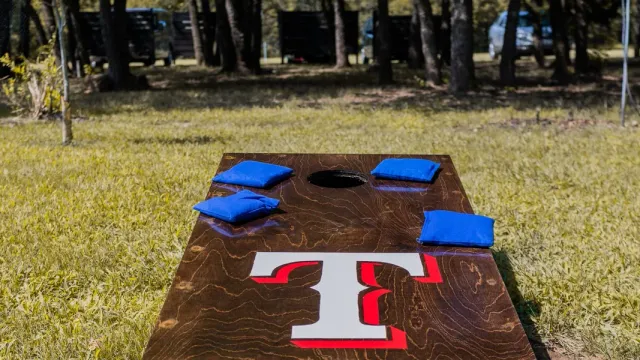
Use bean bag games for preschoolers with toss-to-target, carry-the-parcel, and ground-level balance choices at the park.

Choose a flying disc for kids by age label, diameter, weight, flexibility, and whether your park space supports low gentle throws.
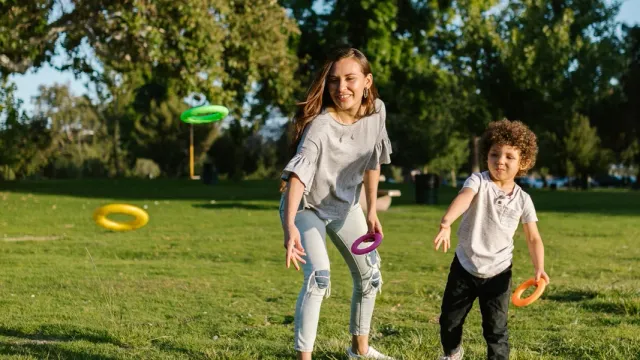
Try four target games for kids outside using chalk circles, a parent-held target, or one soft object. Keep the lane short and clear.
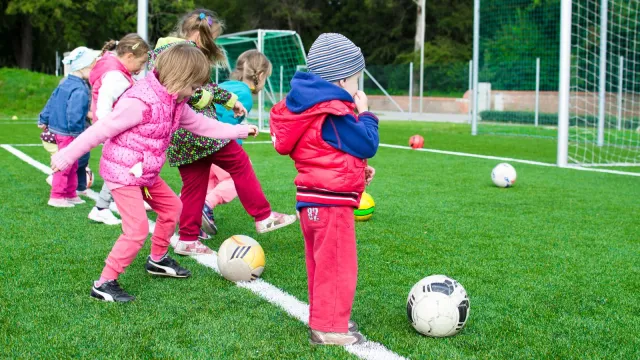
Use toddler-sized soccer games with a soft ball, walking goals, parent gates, and no-pressure turns at an ordinary park.
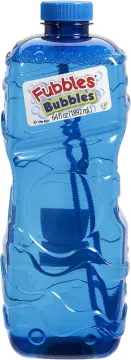
Choose bubble solution for kids by ready-to-use or concentrate directions, age labeling, container control, and the park cleanup plan.
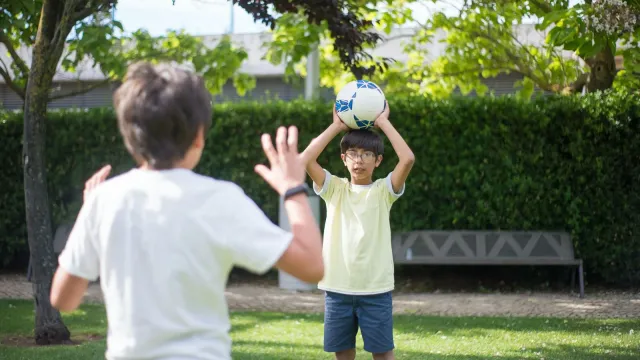
Try dribbling games for preschoolers with bounce-and-stop cues, standing taps, and one short partner lane in a clear park space.
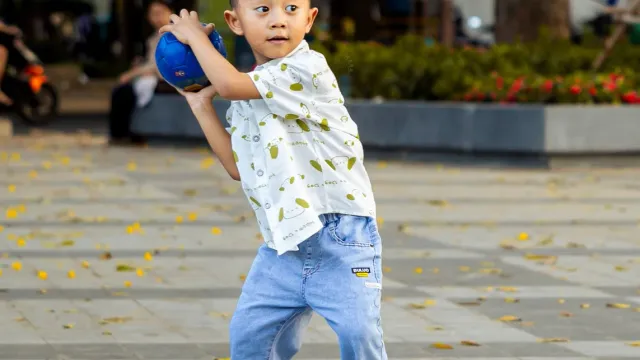
Set up throwing games for preschoolers with soft objects, close targets, and clear retrieval rules. Keep the game about aim, not distance.
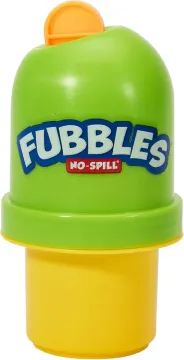
Choose bubble wands for kids by age labeling, handle and reservoir design, refill control, and the space available for popping.
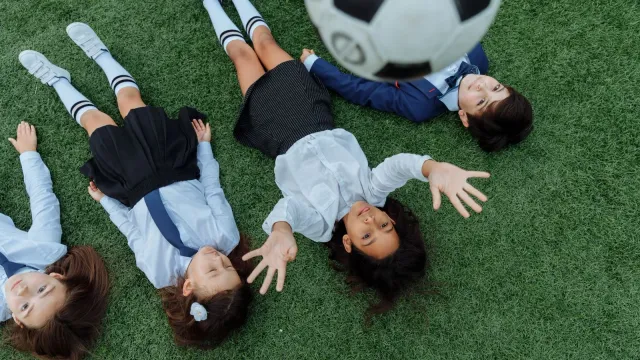
Start catching games for kids outside with scarves, short tosses, and bounce-before-catch choices in a clear park space.
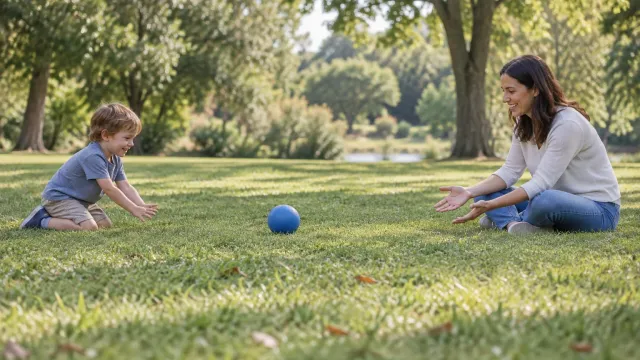
Set up three ball-rolling games for preschoolers with short lanes, simple targets, and retrieval jobs that keep the park area clear.
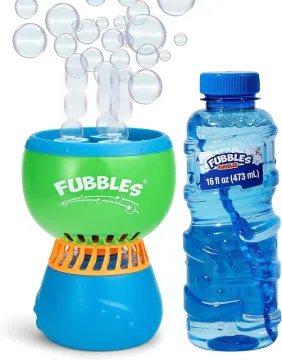
Compare bubble machines for park trips by reservoir, battery needs, refill plan, supervision, and whether a wand works better for your space.
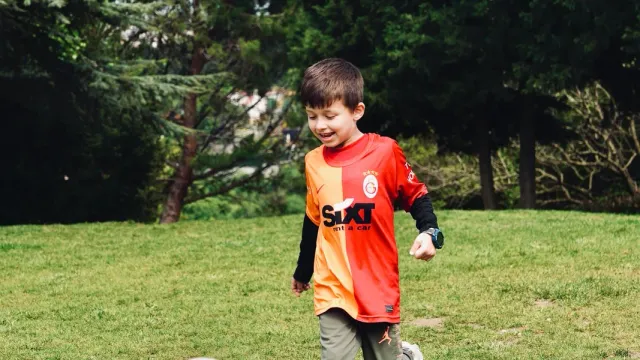
Practice kicking a ball with a toddler through a short, invitation-based park game using a still ball and an adult-held target.
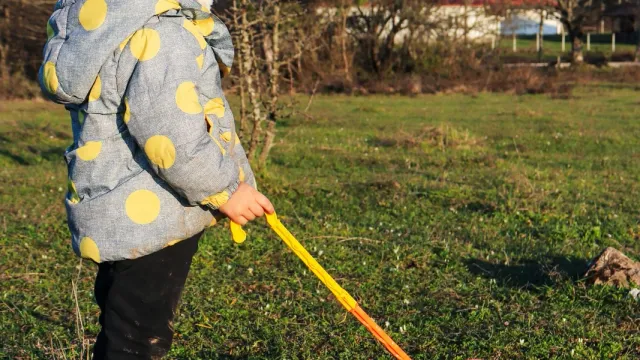
Try four rolling games for toddlers using a soft ball, a short lane, and an adult-led return. Each has a no-ball version.
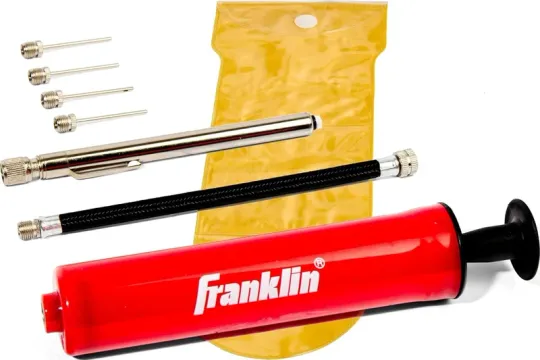
Choose a ball pump for kids by valve compatibility, storage, adult use, and the balls you will carry rather than by a generic ranking.
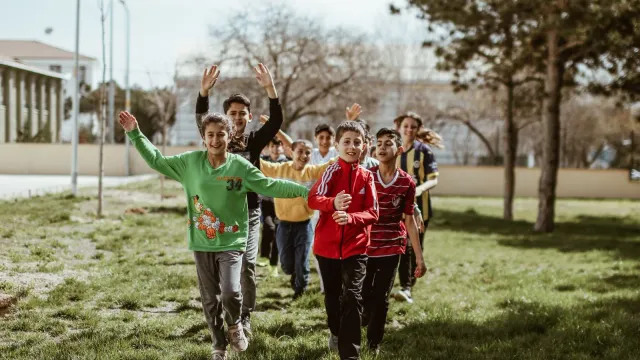
Use this 15-minute outdoor games plan for kids: one start cue, two short games, a water pause, and a clear ending.
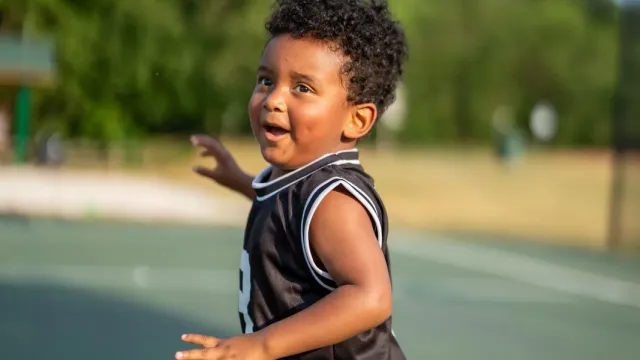
Try outdoor games for 2-year-olds that use walking, rolling, pointing, copying, and carrying with an adult close by.
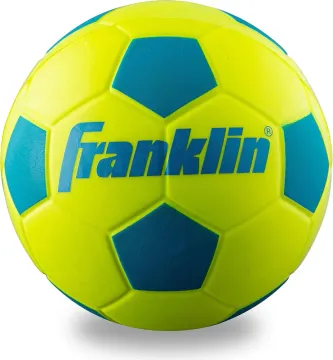
Choose a soft soccer ball for a toddler by checking the exact age label, size, surface, inflation, and a safe low-kick space.
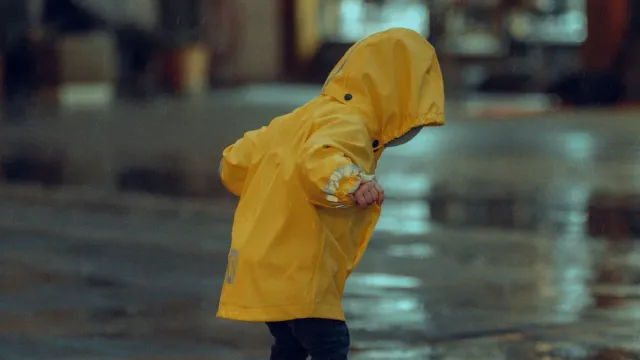
Plan rainy-day park games around a short route, dry transitions, and low-mess play. Check closures and posted rules before leaving home.
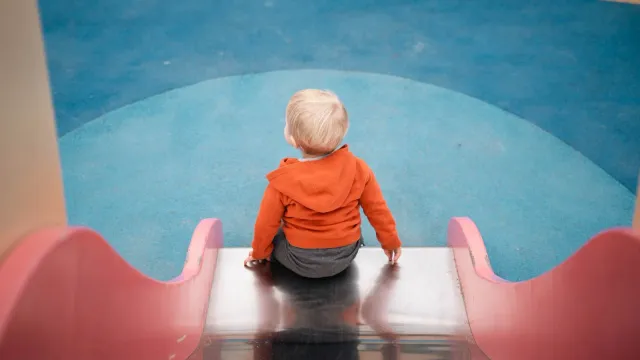
Use playground games for kids that fit around shared equipment. These arrival, waiting, and transition ideas keep play simple and respectful.
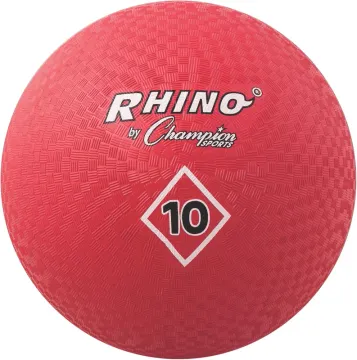
Compare playground balls for kids by age label, size, surface, number of players, and the park space available for rolling or tossing.
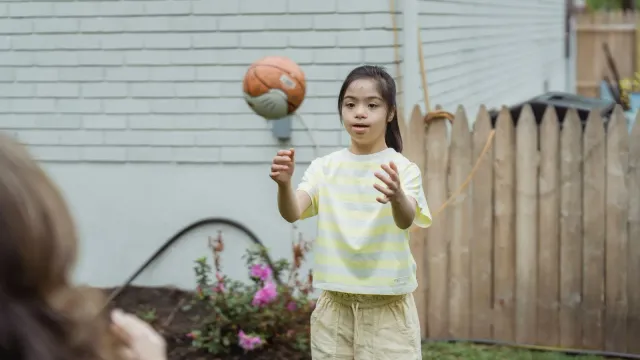
Choose outdoor games for one child and a parent by energy level, space, and time. These park ideas need little or no equipment.
Choose quiet outdoor games for toddlers that fit beside a path or picnic area, use simple prompts, and pause without a big reset.
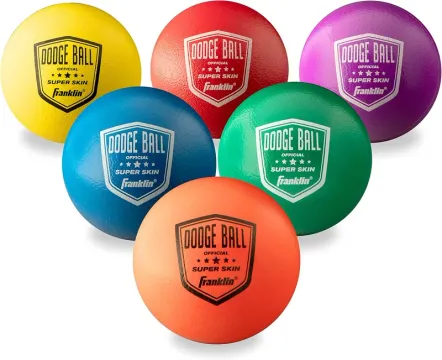
Choose a toddler park ball by age labeling, size, surface, grip, and the rolling game you want to play instead of a generic best list.
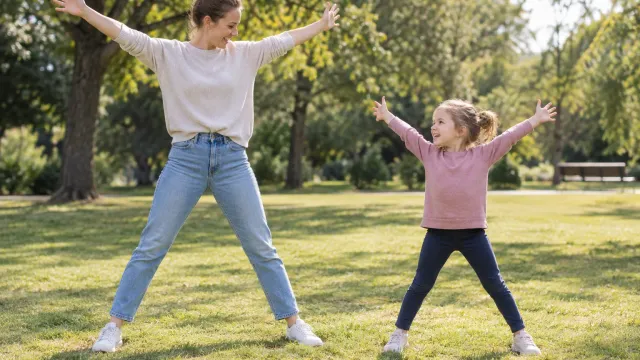
Try copycat games for kids with movement, sounds, and child-led turns. These park ideas need no equipment and work in small spaces.
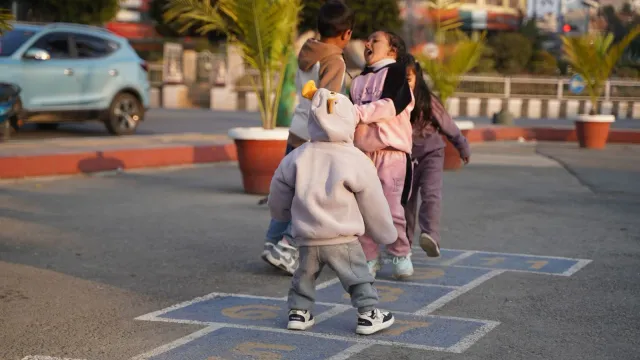
Use four color games for preschoolers outside with objects you can see, a short walking route, and no collecting from the park.
Pick a chalk holder for kids by containment, easy handoff, cleanup, and age fit so pieces stay out of paths during park play.
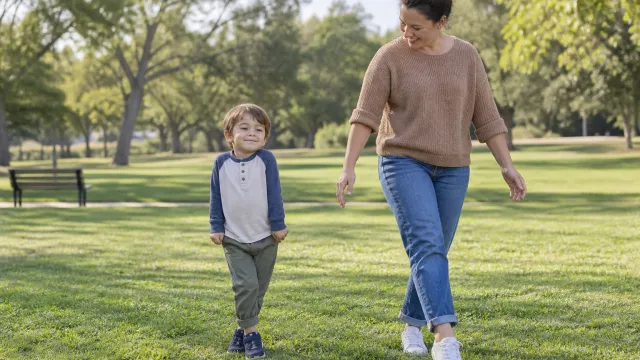
Build an animal walks trail outside with six low-pressure movements, a short route, and adaptations for toddlers, preschoolers, and siblings.
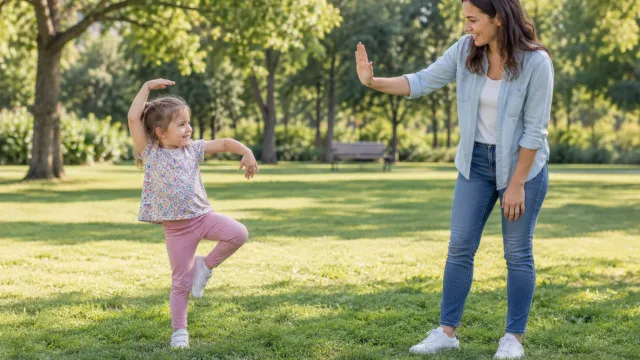
Set up freeze dance outdoors with a phone, a clear patch of ground, and no-elimination rules that work for toddlers and preschoolers.
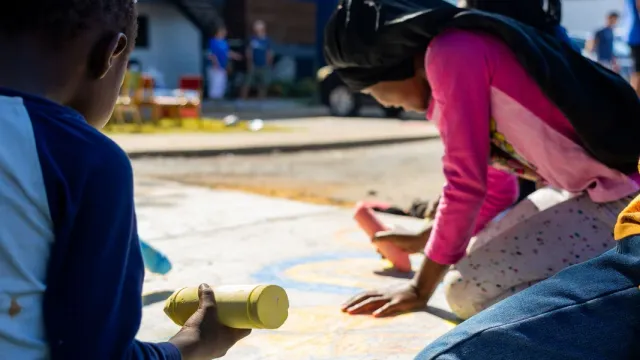
Choose washable sidewalk chalk by checking the exact surface, test-spot, clothing, and cleanup directions instead of assuming every set works the same way.
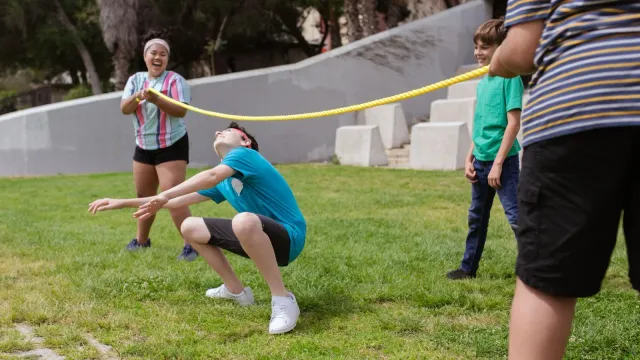
Run Simon Says outdoors with a clear play zone, simple movement prompts, and preschool variations that keep children participating.
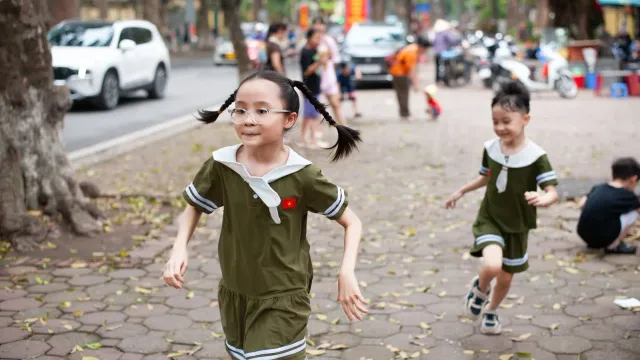
Teach red light, green light for preschoolers with a short course, walking rules, and no-elimination variations for ages 3–5.
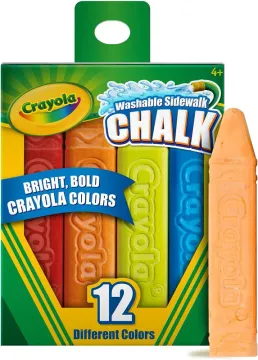
Compare sidewalk chalk for park games by site permission, surface guidance, age labeling, cleanup, and how much a family can carry.
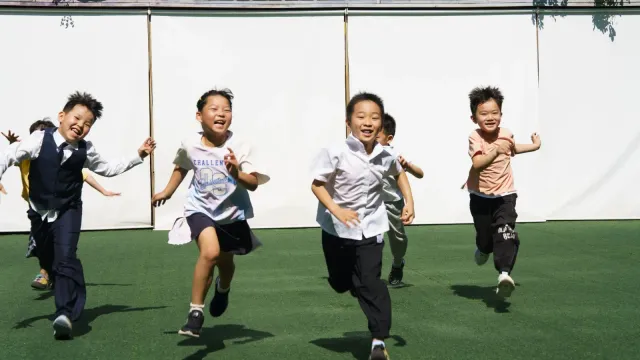
Set up a follow-the-leader outdoor game with a clear route, simple movement cards, and easy variations for toddlers and young children.
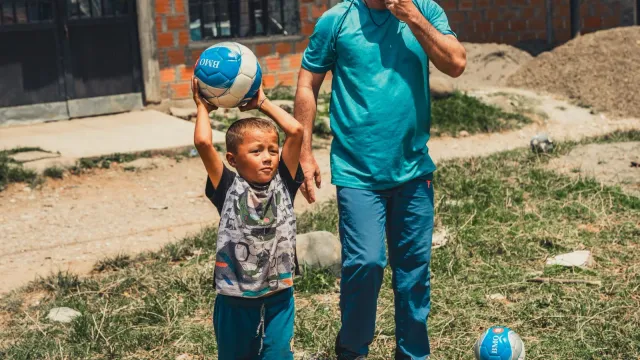
Try parent-child park games that need one adult, a small open space, and a few minutes. Each game has a simple way to pause or reset.
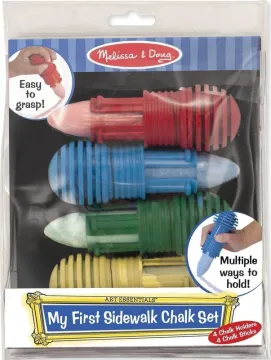
Choose sidewalk chalk for toddlers by age labeling, cleanup directions, grip, and the park surface instead of a one-size-fits-all ranking.
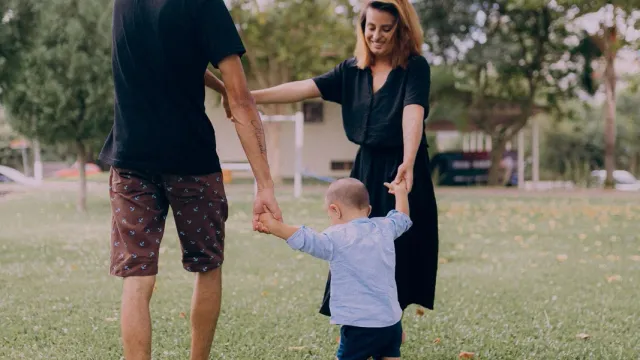
Use five simple park games for toddlers with one adult, little equipment, and easy pauses when your child needs a reset.