Parent-Child Park Games That Feel Like Play, Not Practice
Try parent-child park games that need one adult, a small open space, and a few minutes. Each game has a simple way to pause or reset.
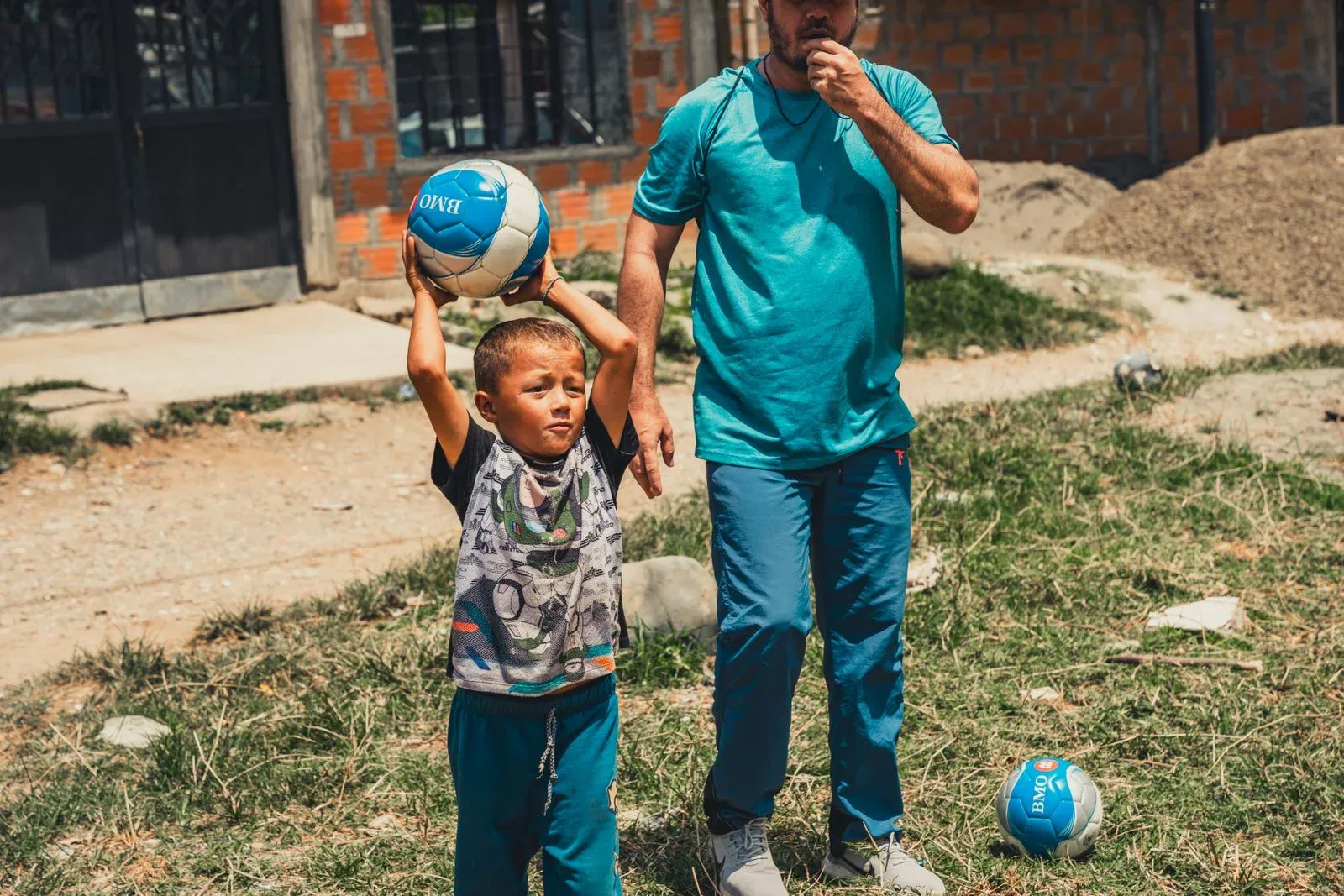
The best parent-child park games give both people a job. The adult starts the action, then hands over a choice or leadership turn. That structure keeps the game social without making a toddler perform on demand. Try these five games in a clear area, using a park feature as a landmark rather than as equipment to climb or jump from.
Start with a small play zone
Choose two visible points no more than a short walk apart. Tell your child, “We will play between these two spots.” Leave paths, swings, and slide exits open for other visitors. If you bring a ball or scarf, carry it between turns. The National Park Service’s guidance on being considerate of other visitors supports keeping play compact and avoiding unnecessary noise or obstruction.
Give the child a way to say “pause.” A hand on the adult’s arm, a spoken word, or simply sitting down can end a round. Toddlers and young preschoolers often play longer when they know they can stop without disappointing anyone.
Five games for two people
Mirror walk
Face your child and walk backward only if the area is clear; otherwise walk side by side. Make one slow movement, such as reaching overhead, tapping knees, or turning in place. Your child copies it. Switch leaders after three moves. For a younger toddler, keep both feet planted and copy hand motions. For an older child, make a short pattern of two actions.
Delivery route
Pretend a scarf, pinecone-shaped toy, or soft ball is a package. The child carries it from one landmark to another while you narrate the route: “Around the bench, then back to me.” Never use a natural object that belongs in the park. Add a stop at the halfway point for a high five or a silly sound. The child can become the dispatcher and choose the route next.
Copy my sound
Stand close and make one quiet sound, such as “shh,” “beep,” or a humming note. The child copies it, then chooses the next sound. Pair sounds with small movements after the first round. Keep the volume low near other families. This game works in a small patch of grass and can replace a running game when the park is crowded.
Parent-and-child statue
Walk together until the adult says “statue.” Both people freeze in a shape. Count to three, then relax. Let the child call the next freeze after one adult-led round. To make the game cooperative, ask, “Can our statues match?” rather than deciding who froze best. If the child keeps moving, celebrate the movement and use a shorter count.
Choose-the-next-step
Offer two safe actions: “Should we tiptoe or march to the tree?” Do the chosen action together, then offer two new choices. The adult controls the boundaries while the child controls the style. Use walking, reaching, turning, and pausing. Skip jumping when the surface is uneven or when other visitors are passing close by.
What if the child refuses to take a turn?
Keep playing your own turn for a few seconds, then leave a gap. A toddler may step into that gap after watching. If not, switch to parallel play: you make statues while the child explores nearby. Avoid repeated “your turn” prompts. The adult’s calm repetition is an invitation, not a test.
You can also end with a predictable phrase such as, “One more walk, then water.” A clear ending protects the next activity and helps the child trust that the game has a finish. Use the toddler park games guide for shorter versions that keep the adult beside the child.
A two-minute version
When time is short, use this sequence: mirror walk, delivery route, statue, then a child-chosen action. Each section lasts about thirty seconds. That is enough to create a shared moment before leaving or moving to free play. Pack the game away by naming the last landmark and walking back together.
For a younger child who needs fewer choices, use park games for toddlers and repeat one familiar cue.
Sources
- National Park Service, Leave No Trace Seven Principles, retrieved 2026-09-06.
- Playworks, Dance Freeze game library, retrieved 2026-09-06. Used for the freeze-and-restart pattern; the parent-child adaptations above are original.
Explore more park games.