Park Games for Toddlers: Five Easy Ways to Start Playing
Use five simple park games for toddlers with one adult, little equipment, and easy pauses when your child needs a reset.
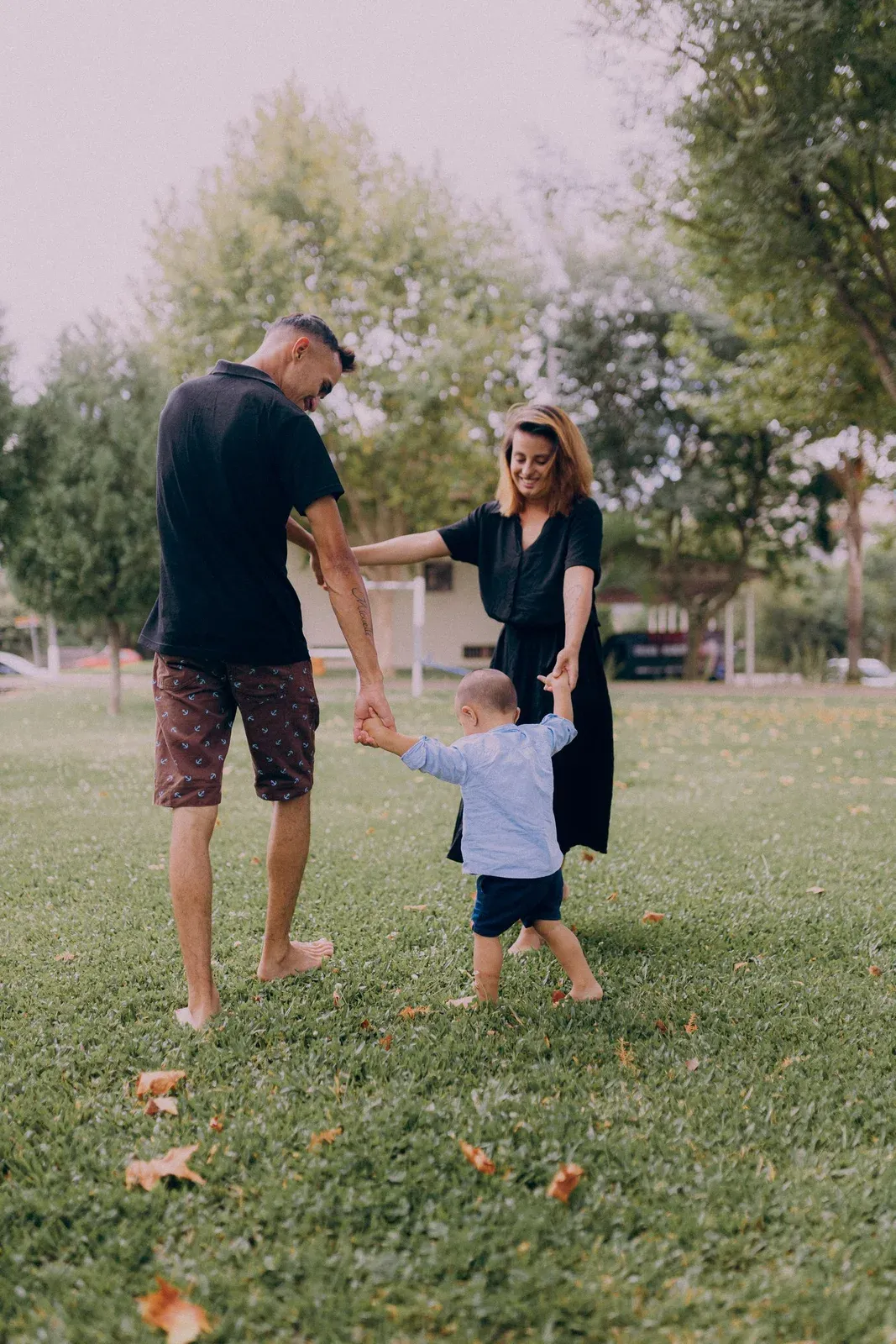
Toddlers usually need a clear invitation before a park turns into a game. Start with one short rule, show the first turn, and stop while the activity still feels easy. These five park games for toddlers use a parent as the guide. They work on grass, beside a path, or in an open area away from moving swings and slides.
What should you pack?
Pack water, a small soft ball if you want one, and one familiar object such as a scarf. You can play every game without buying anything. Choose a visible boundary, keep the child within arm’s reach when the area is crowded, and check posted park rules before drawing or placing objects. The National Park Service’s Leave No Trace principles are a useful reminder to leave plants, rocks, and other natural objects where they are.
Keep the first round under five minutes. A toddler may join for two turns, wander, and return later. That is still a successful outing. Offer a choice between two games instead of asking an open-ended question that requires a long explanation.
Five parent-led park games
1. Follow my path
Walk a short route between two safe landmarks. Say, “Follow me to the tree,” then walk, stop, and wave your child forward. Add one action at each landmark: touch your knees, turn around, or reach up. Let your child choose the next landmark after the first round. Keep the route on a clear surface and avoid stepping into planted areas.
2. Roll and return
Sit several feet apart on flat grass. Roll a soft ball slowly toward your child and hold out both hands for the return. If the ball goes past, walk to it together. The goal is taking turns, not catching every roll. Move closer for a toddler who is still learning to stop the ball, and make the lane wider for a child who wants to run after it.
3. Copy the animal
Choose one animal movement at a time. Waddle like a duck to a line, stretch like a cat, then stomp like an elephant back to the starting spot. Keep the sounds optional because some toddlers prefer quiet imitation. When your child invents a movement, copy it exactly. That switch gives the child a leadership turn without adding another rule.
4. Find the color
Name one color that is already visible: a red shirt, a blue sign, or a yellow flower on a planted display. Walk together to look for another example without picking anything. If the park has few bright colors, use your own clothing or a scarf. This is a noticing game, so “we found two green things” is enough.
5. Stop-and-go walk
Use a quiet voice for “go” and a clear hand signal for “stop.” Walk three steps, freeze, and celebrate the pause. Once your child understands, add “slow” between the two commands. Do not play near a road, parking lot, or crowded path. For a child who is not ready to stop reliably, hold hands and use the game only in a small open space.
How do you handle a toddler who wanders away?
Treat returning as part of the game. Bring the activity to the child rather than calling repeatedly from a distance. Sit near a low-interest edge of the play space, show one action, and invite the child to copy you. If the toddler keeps moving, switch to a walking game with the adult beside them. You can also end the activity, offer water, and try again after free play.
The parent does not need to keep a toddler engaged every minute. A short game followed by climbing, watching, or quiet play gives the outing a natural rhythm. For a longer menu, use the outdoor games hub and choose one activity by space and energy level.
Quick reset when the park is busy
Move away from the busiest equipment before explaining a new game. Stand where you can see the child and the main traffic lanes. Keep balls low and skip running games if other families are crossing the area. A one-minute version is often safer and more enjoyable than trying to claim a large patch of grass.
For older siblings who want equipment-free movement, add playground games for kids while the toddler stays with the adult.
Sources
- National Park Service, Leave No Trace Seven Principles, retrieved 2026-09-06.
- Playworks, Simon Says game library, retrieved 2026-09-06. Used as a reference for simple adult-led movement cues; the toddler games above are original adaptations.