Nature Pattern Hunt: Lines, Spots and Repeats
Try a nature pattern hunt for ages 3–7 using bark, leaves, shadows, clouds and park surfaces without collecting or disturbing anything.
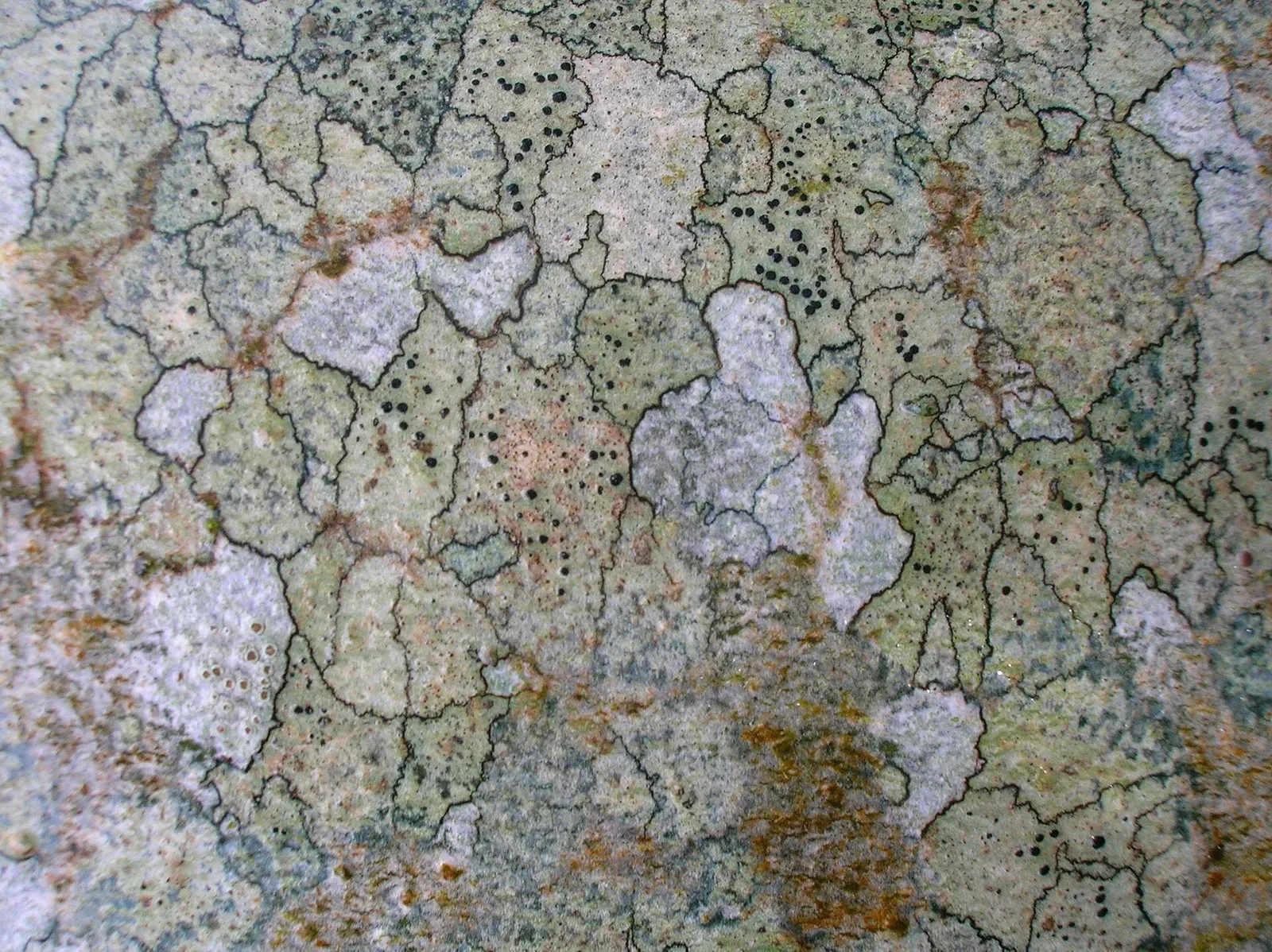
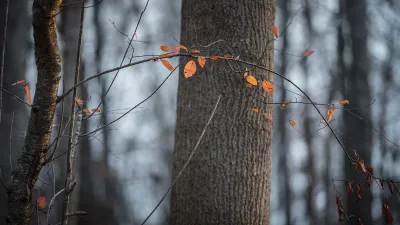
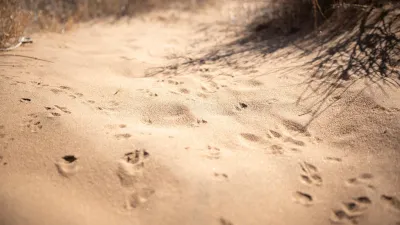
A pattern hunt turns a park walk into a search for repeats. Look for lines in bark, spots on a leaf, bands in a shadow, layers in a cloud, or repeating shapes in a path surface. Children can point, describe, or draw three repeats without picking or touching.
Use the nature observation routine as the basic structure: look first, ask one question, and make a small record.
Offer one pattern at a time
Start with a simple choice:
- Straight or curved lines.
- Dots or stripes.
- Repeating shapes.
- Branching lines.
- Light and dark bands.
- A pattern that gets smaller or larger.
A young child can hunt for one pattern. An older child can compare two patterns and say one way they match and one way they differ.
Stay with surfaces in place
Choose a tree, path edge, bench view, or cloud window. Do not peel bark or turn over stones. If a pattern is on a living plant, observe it where it grows. If the park prohibits touching, keep the entire activity look-only.
The National Park Service Leave No Trace principles support leaving natural objects undisturbed. The rule can become part of the game: “We can find a pattern without taking it.”
Turn a pattern into a drawing
Draw three copies of the repeat. Ask what changes from the first to the third. For example, a branch may split, a shadow may soften, or a row of dots may become harder to see.
A child who prefers movement can trace the pattern with a finger in the air. Use nature drawing activities for more close-looking options.
Ask a useful question
Try “Where does the pattern stop?” or “What happens when the light changes?” Do not imply that every pattern has an animal or plant explanation. The child is practicing attention and comparison.
If a child spots a feather or animal sign, view it from a distance. Do not touch it or use the pattern as a reason to follow wildlife.
Describe a pattern in three parts
Ask the child to find what repeats, what changes, and where the pattern stops. A row of branches, alternating light and shade, or repeated lines in bark can all work as views from the path. The child can tap a quiet rhythm while pointing, then sketch only three repeats. For ages 2–3, use “same” and “different.” For ages 4–7, invite a guess about what might appear next, then check whether the view supports it. Do not build a pattern with leaves or stones. A natural pattern can be partly hidden or irregular; uncertainty is a useful observation, not a problem to fix.
Sources and related reading
- National Park Service, Leave No Trace Seven Principles
- USDA Forest Service Research and Development, Observations in Public Settings
- Add color with nature color hunt.
- Use nature journal prompts to record a pattern.
Explore more nature play.