Nature Journal Prompts for Kids Who Say “I Don’t Know”
Use practical nature journal prompts for ages 4–7 that turn a blank page into noticing, comparison, questions and simple records.
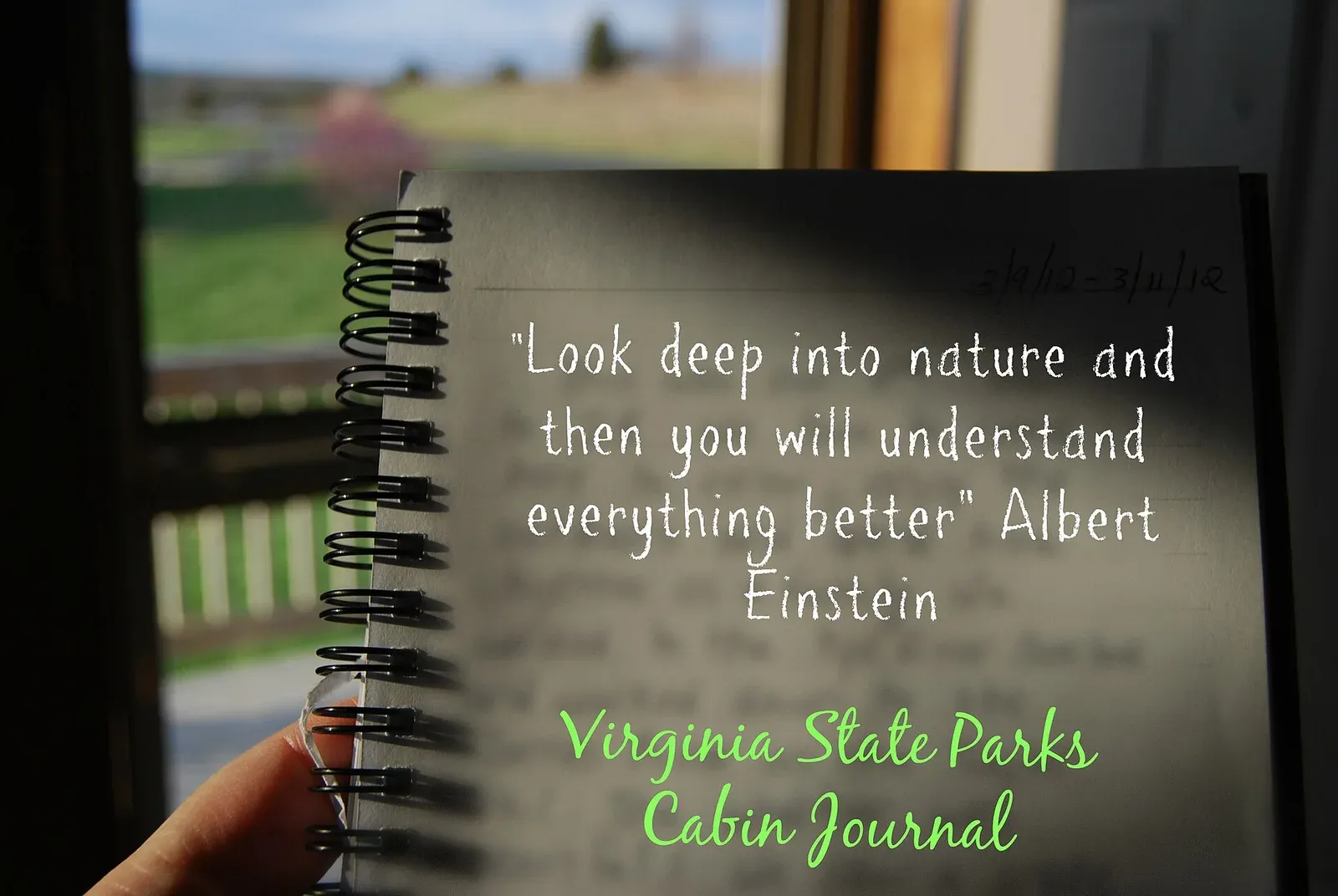
“I don’t know” is often the beginning of a nature journal entry. The child may not know the plant name, the bird species, or why a puddle looks dark. Give the child a prompt about something visible, then let the answer stay partial.
Use a notebook, a pencil, and one subject. The National Park Service’s K–2 phenology guidance supports recording observations over time. These prompts help a child make that first record.
Prompts for looking
- I notice…
- The smallest detail is…
- The edge looks…
- I see one line that…
- The part in shadow is…
- The thing that moved was…
- I can compare this with…
Read one prompt aloud and stop. A child may answer with a drawing, a gesture, or a few words. Do not stack five questions onto one page.
Prompts for comparing
Comparison turns “I don’t know” into a visible choice:
- How are these two leaves alike?
- What is different about these two shadows?
- Which sound repeated?
- Which part is lighter?
- What changed when a cloud moved?
- Which surface looks wetter?
- What shape appears more than once?
You can use two nearby objects, two visits, or two moments. A comparison does not require collecting. Look at objects where they are, then close the notebook if the child is ready to move.
Prompts for wondering
Questions can be more valuable than answers:
- What might have made this mark?
- Where could rain go from here?
- What might visit this flower?
- Why might this side be darker?
- What could change by next week?
- What would you look for again?
Use “might” and “could” when evidence is limited. The USGS animal tracks reference can help an adult compare track shapes, but one mark in mud does not prove which animal made it.
Prompts for words and pictures
A child can make a “word picture” by choosing three describing words. Ask for a word about color, a word about movement, and a word about texture. Touch can be optional. Some park surfaces should stay untouched.
For drawing, offer a frame: draw only the outline, only the repeating pattern, or only the shadow. The nature drawing activity guide gives more ways to keep the focus on looking.
You can also dictate the child’s sentence exactly. If a child says, “The tree is wearing green dots,” keep the sentence. Nature journaling is a record of attention, not a test of adult vocabulary.
Keep prompts respectful
Do not prompt children to taste plants, touch wildlife, open nests, or collect flowers. The National Park Service Leave No Trace guidance recommends leaving natural objects and respecting wildlife from a distance.
Sources and related reading
- National Park Service, Phenology K–2
- U.S. Geological Survey, Animal Tracks
- Start a first page with how to start a nature journal.
- For a no-writing option, try a nature bingo walk.
Explore more nature play.