Nature Drawing Activities for Kids: Five Ways to Look Closely
Try five nature drawing activities for ages 3–7 based on lines, shapes, patterns, shadows and seasonal change, without demanding perfect pictures.
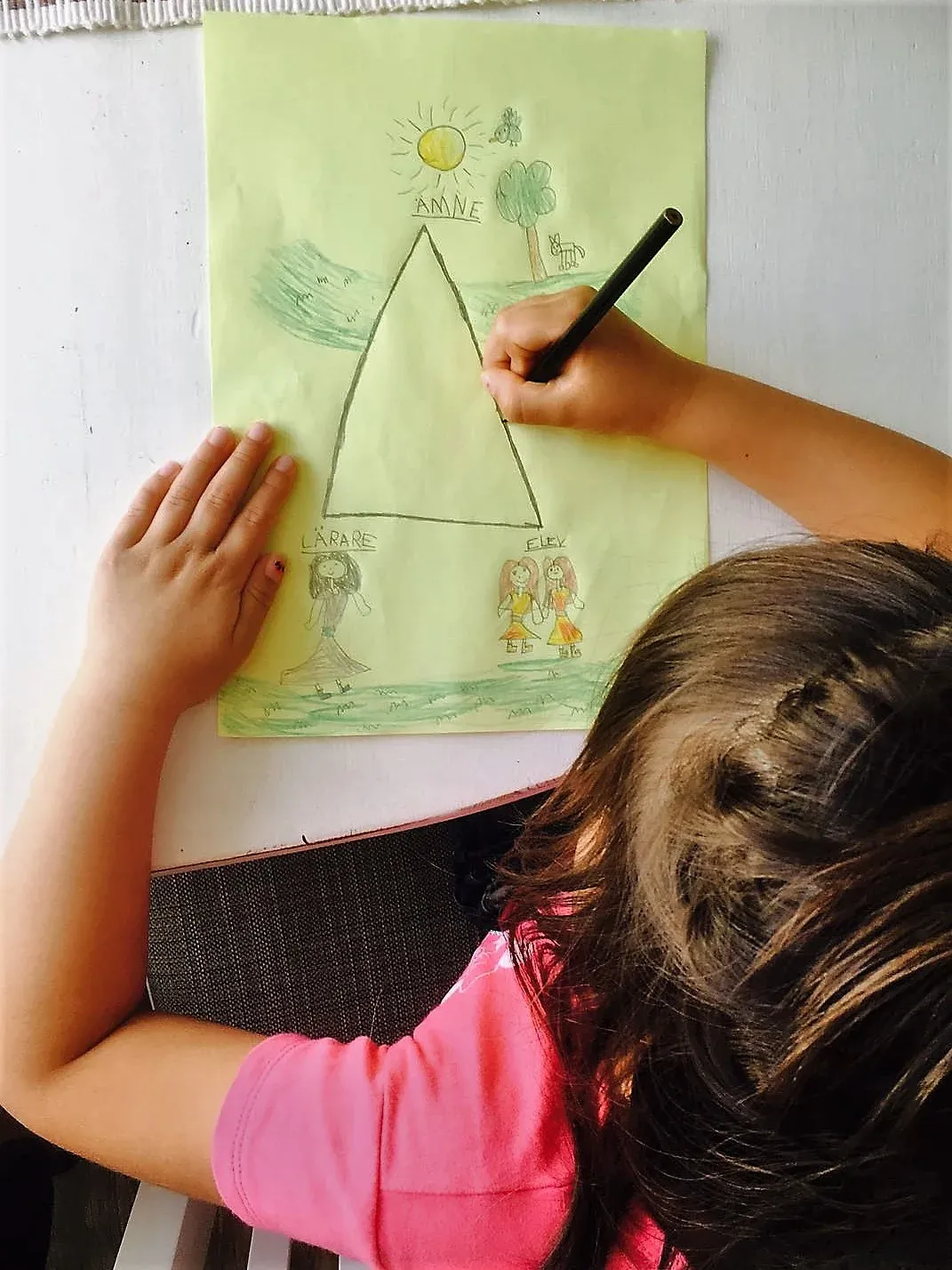
Nature drawing is a way to look, not a test of artistic skill. Choose one visible feature and give the child a narrow job: draw a line, copy a shape, mark a shadow, or show a change. A child can use a pencil, dictate words, or draw beside an adult.
The National Park Service’s phenology material uses observation records to notice seasonal change. Drawing is one approachable way to make that record.
Five drawing invitations
Line map. Pick a tree branch, grass blade, fence shadow, or cloud edge. Draw only the line. Ask where it turns, splits, or stops.
Shape window. Draw a small rectangle on the page. Fill it with the shapes you see in one patch. This limits the task and helps a child stay close to the selected view.
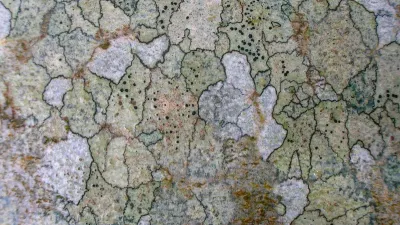
Pattern copy. Look for repeated marks in bark, a leaf edge, a feather seen on the ground, or a built surface. Draw three repeats, then ask what changes between them.
Shadow outline. Choose a fixed object and draw the shape of its shadow from where you stand. Do not climb, move park equipment, or treat a play structure as a drawing tool.
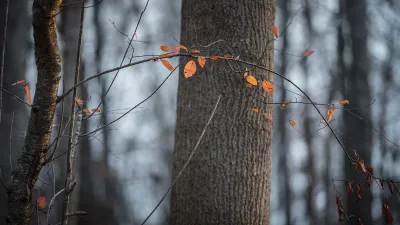
Change page. Draw one subject today and leave space for another visit. The second drawing can show a different cloud, a new leaf stage, or a puddle after it dries.
Keep the adult’s hand out of the picture
Do not correct the child’s proportions or supply the “right” color. Ask what detail the child wants to add. If the child says a branch looks like a ladder, write that beside the drawing.
For a young child, let the adult write the date and the child’s exact words. Older children can label one feature or make a simple tally. The nature journal prompt list helps when the page feels empty.
Set up a calm drawing spot
Choose a bench, blanket, or dry area beside the route. Keep the view small and the session short. Five minutes can be enough. Offer a movement break after the drawing rather than asking the child to sit longer.
Carry a notebook and pencil only if that is what you will use. Special art supplies are optional. If a child wants color, bring a few pencils and agree that they stay in the notebook.
Draw without damaging the subject
Do not pull leaves, press flowers, scrape bark, or move insects for a better picture. A photograph can preserve a detail when drawing from it is easier. The National Park Service Leave No Trace principles support leaving natural objects in place and observing wildlife from a distance.
A drawing can be imaginative after the observation is finished. Label the transition: “This is what we saw,” then “This is a story we invented.” That keeps creative play from becoming a false nature claim.
Sources and related reading
- National Park Service, Exploring Seasonal Changes with Phenology
- National Park Service, Leave No Trace Seven Principles
- Use a repeat-visit plan from how to start a nature journal.
- For no-supplies play, try nature shapes hunt.
Explore more nature play.