How to Start a Nature Journal With Kids
Start a nature journal with children ages 4–7 using one subject, a few words or a drawing, and a repeatable park observation routine.
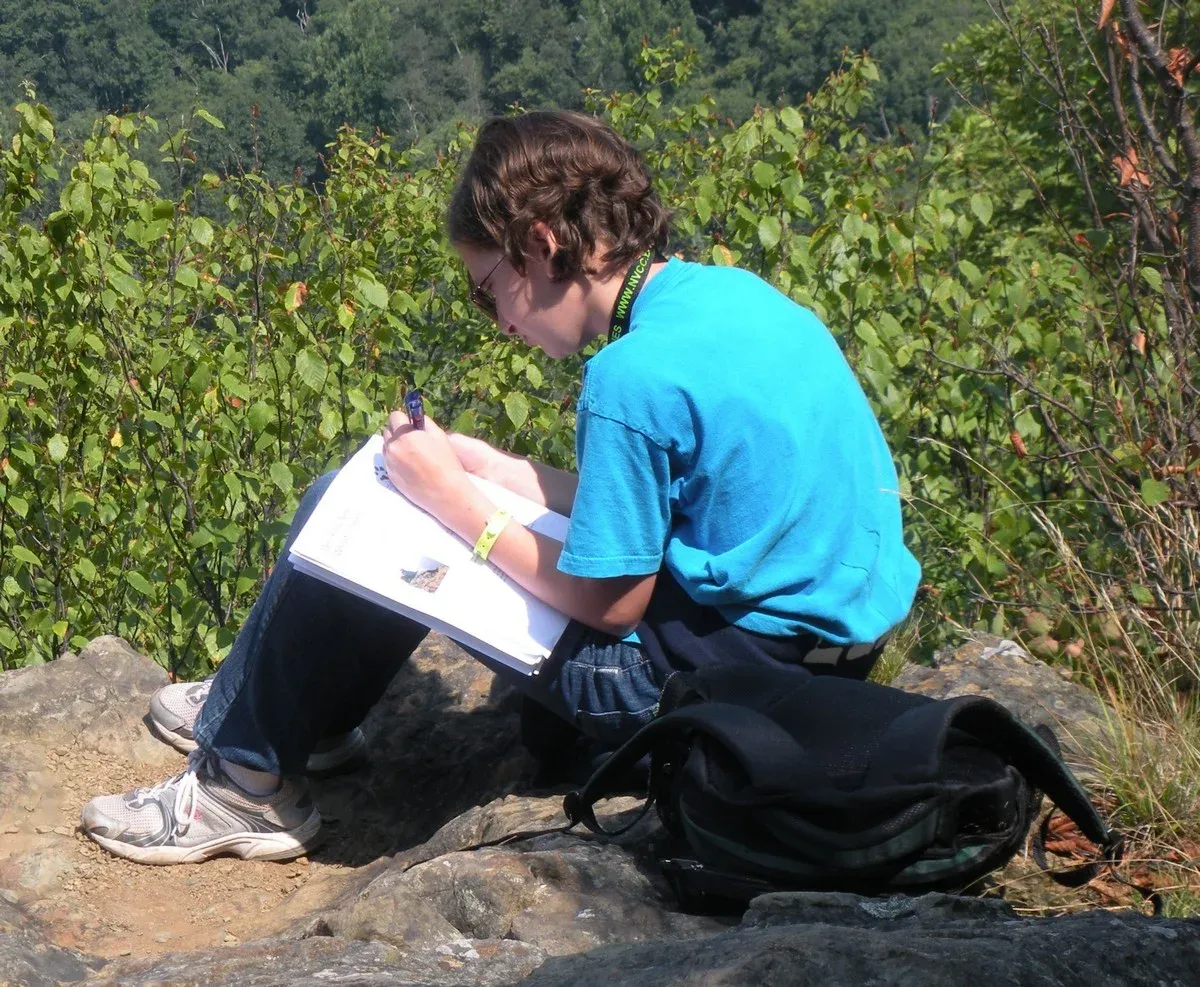
A nature journal can be a plain notebook with a date, a place, one drawing, and one question. Start with ten quiet minutes at the park. Let the child choose one subject and record what is visible. The page does not need to look scientific or finished.
The National Park Service’s phenology lessons use repeated observations of seasonal change. A young child can do the same on a smaller scale by returning to one tree, cloud view, or patch of ground.
Pack only what you will use
Bring a pencil, a notebook with paper that feels comfortable, and a firm surface if the park has no table. A clipboard is optional. A phone can record a photograph, but it should support looking rather than replace it.
Choose a notebook that opens flat enough for a child to draw. Avoid making the first outing depend on special supplies. If the child likes the routine, add a colored pencil or a simple field guide later.
Make the first page small
Write the date and the park or neighborhood name. Ask the child to choose one thing. Invite three details:
- What color or colors do you see?
- What line, edge, or shape stands out?
- What do you wonder?
A preschool-age writer can dictate. A child can draw a line and label it with one letter. An older child can add a sentence. The adult’s job is to record the child’s words accurately, not to rewrite them into adult language.
Use the nature observation routine if the child needs a clear sequence. Look first, ask a question, and record one small result.
Return to the same subject
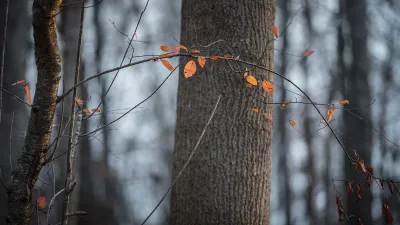
Choose a repeat visit only if it feels enjoyable. A tree can show new buds, leaves, bare branches, or fallen material over time. A cloudy view can change within minutes. A patch of ground can look different after rain.
The National Park Service explains phenology as observing recurring life-cycle events in plants and animals. You do not need to make a scientific claim from a child’s page. A dated record simply gives the family something to compare.
Keep the page free of pressure
Do not grade the drawing or demand a species name. If the child says, “It looks like a tiny staircase,” keep that phrase. If the child loses interest, close the notebook and play a different way. A short page is more useful than an outing that becomes a struggle.
Avoid prompts that encourage picking flowers, handling insects, or tasting plants. Draw what is there, or use a photograph taken from a respectful distance. The Leave No Trace principles support leaving natural objects and giving wildlife space.
Sources and related reading
- National Park Service, Phenology K–2
- National Park Service, Phenology
- Add variety with nature drawing activities.
- Use the prompt list in nature journal prompts for kids.
Explore more nature play.