Nature Observation Activities for Kids: Look, Ask, Record
Teach a repeatable nature observation routine for ages 4–7: choose one subject, describe visible details, ask a question and record it.
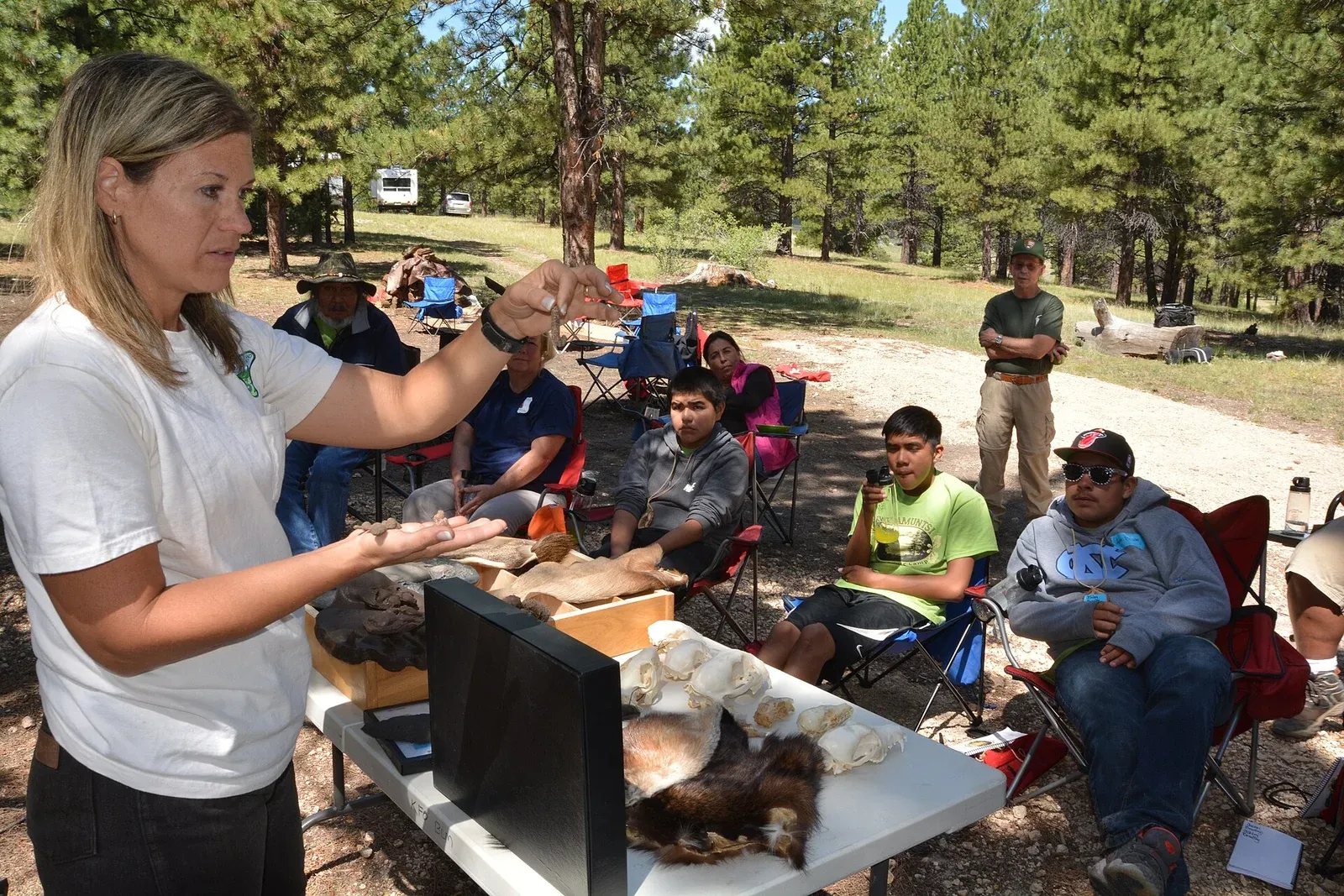
Nature observation does not start with a correct name. It starts with a close look. Choose one subject, describe what is visible, ask a question, and make a small record. The subject might be a tree, a cloud, a puddle, a bird seen at a distance, or a pattern on the ground.
The USDA Forest Service describes systematic observation as a way to learn about relationships in everyday settings. With young children, the routine can stay simple and flexible.
Use the look–ask–record routine
Look. Give the child a quiet moment before explaining what they are seeing. Ask for a detail about color, shape, movement, location, or sound.
Ask. Invite a question that can remain open. “What made that mark?” or “What might change after rain?” is better than a question that assumes one answer.
Record. Draw, dictate, write one word, take a permitted photograph, or make a tally. A record does not need to be neat. Its value is that it lets the child return to the same subject later.
This routine is also a good companion to starting a nature journal, where the record can become a dated page.
Four activities that use the routine
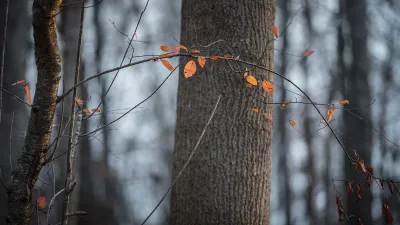
One tree, three details. Find a tree the park allows you to approach. Look for bark lines, branch direction, canopy shape, and anything changing. Do not peel bark or climb.
Cloud before and after. Watch one part of the sky for a few minutes. Record whether the clouds look layered, puffy, thin, fast, or still. The National Weather Service cloud education page provides vocabulary, but the child does not need to classify a cloud correctly.
A sound and its pause. Listen for one sound, then wait to see whether it repeats. Record “three taps” or “one long sound.” Do not approach wildlife to identify the source.
A small patch. Mark a viewing boundary with your body rather than sticks or tape. Look for lines, colors, shadows, and movement in that patch. This works when the route is busy or the child needs to stay near an adult.
Keep uncertainty useful
A child may identify a leaf, insect, or bird incorrectly. Treat the guess as a starting point. Say, “What did you notice?” and “What else could fit?” If a field guide is available, compare visible features without forcing a match.
The Cornell Lab bird guide is useful for birds, but it cannot identify every sound or distant shape. It is fine to finish with “unknown bird” or “small flying insect.”
Set an appropriate boundary
Choose a place where children can stay with the adult. Keep away from water edges, nests, unstable slopes, and posted restoration areas. Do not taste plants or collect objects. The National Park Service Leave No Trace principles support leaving natural objects and respecting wildlife from a distance.
Sources and related reading
- USDA Forest Service Research and Development, Observations in Public Settings
- National Weather Service, Clouds and Contrails
- Keep a record with nature journal prompts.
- For younger children, start with nature activities for preschoolers.
Explore more nature play.