Color Games for Preschoolers Outside: Four Park Play Ideas
Use four color games for preschoolers outside with objects you can see, a short walking route, and no collecting from the park.
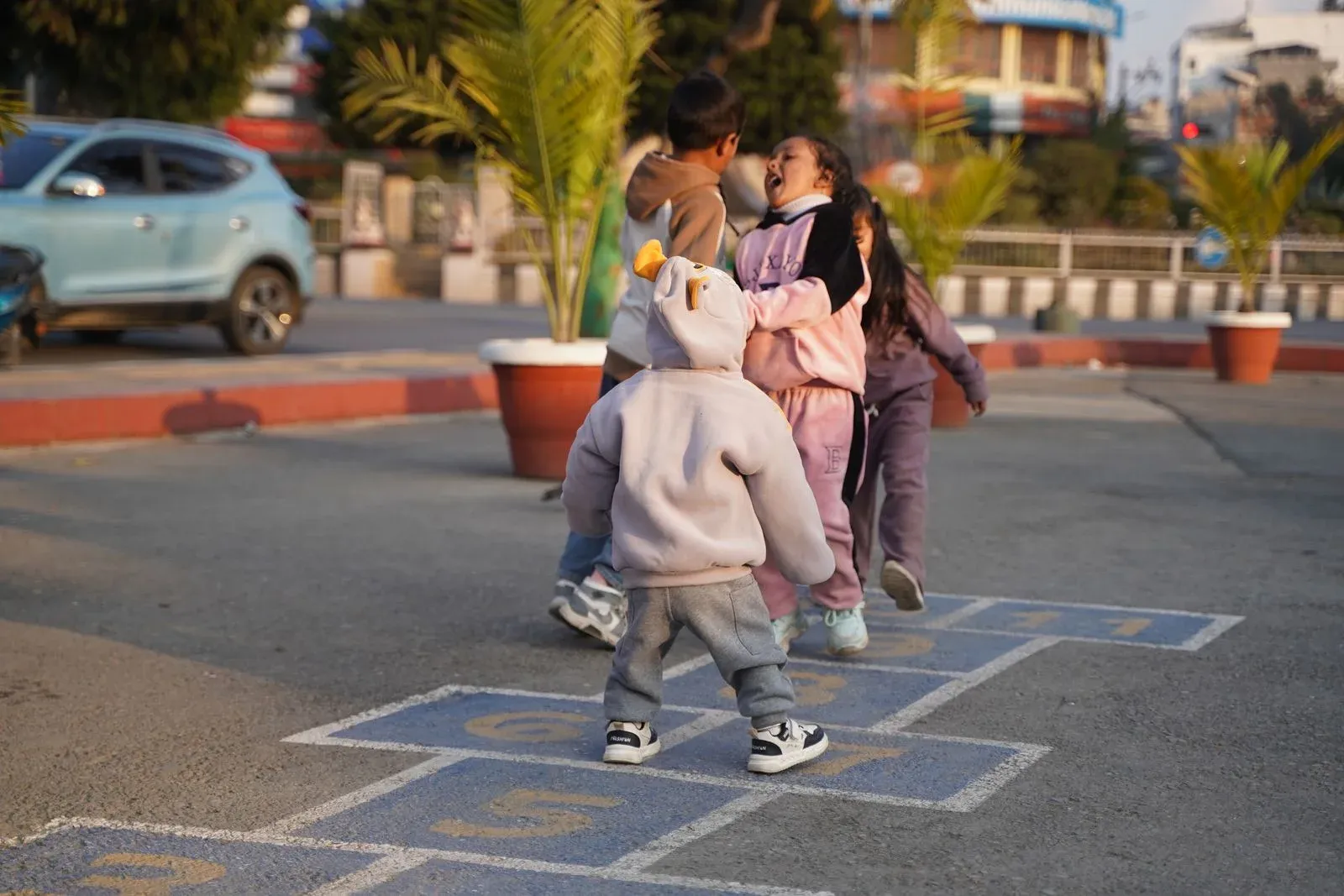
Color games outside turn a short park walk into a shared search. Name one color, look for visible examples, and leave every park object where it is. These four games use signs, clothing, playground details, and your own supplies. They work for one child with an adult or a small group that needs a calm activity.
Set a leave-it rule first
Tell children, “We look with our eyes and leave things where they are.” Do not pick flowers, leaves, rocks, or insects. The National Park Service’s Leave No Trace principles specifically include leaving what you find and respecting wildlife. Choose a route that stays on a path or durable surface and does not block other visitors.
Start with a color that is easy to spot, such as green grass or a red shirt. Keep the search within a small area. Preschoolers can lose the game when the route becomes a long scavenger hunt with too many instructions.
Four color games
Color call-and-point
Call one color and invite children to point to the first example they see. Everyone walks to the example, then returns to the adult. Use a new color each round. The adult can count examples aloud, but no one needs to find a certain number. If the park is busy, keep children beside the adult and point from one spot.
Color route
Choose three visible colors before walking. For example, “We will look for blue, then yellow, then white.” At each color, stop and make a simple movement such as a reach or turn. Children remember the route because the movement marks each stop. Skip colors that require crossing a path or entering planted space.
Clothing color match
Use a scarf, hat, or shirt you brought from home. Ask children to find something nearby with a similar color. They can hold the item up for comparison, then put it back in the bag. This version avoids searching through plants and works well at a picnic table or bench.
Color leader
The leader chooses a color and points to a safe example. Everyone copies the point, then the leader returns to the adult. For a younger preschooler, the adult offers two color choices. For an older child, add a second color only after the first has been found.
What if the color is hard to find?
Change the clue instead of sending children farther away. Use color families such as light blue and dark blue, or switch to the color of a child’s shoe. You can also make a color card with two crayon marks at home and bring it in a pocket. The card is a prompt, not a requirement to find a perfect match.
If a child starts collecting, pause the game and return the item together. Use park games for toddlers for a walk-and-point version with fewer choices. Older preschoolers can lead the next round while the adult keeps the group within the boundary.
A quiet five-minute plan
Spend one minute on color call-and-point, two minutes on the color route, then let the child lead one round. Finish by naming the colors you noticed and checking that your group left the area unchanged. The best ending is a transition: “Now we are going to wash hands,” or “Now we can climb.”
For a mixed-age version with fewer color choices, try outdoor games for mixed ages and let the adult call the next action.
Sources
- National Park Service, Leave No Trace Seven Principles, retrieved 2026-09-06.
- National Park Service, Recreate Responsibly, retrieved 2026-09-06.
Explore more park games.