Best Sidewalk Chalk for Toddlers: A Parent's Buying Guide
Choose sidewalk chalk for toddlers by age labeling, cleanup directions, grip, and the park surface instead of a one-size-fits-all ranking.
The best sidewalk chalk for a toddler is the product whose age label, cleanup directions, and shape fit the child and the place you will use it. A toddler may hold a stick, make one large mark, and then wander off, so a giant color set is rarely the first thing to solve. Start with the park’s rules and the surface, then choose a small, clearly labeled set that an adult can supervise.
These recommendations are researched, not hands-on tested. Product labels and availability can change, so read the current package and product page before buying.
Two specific starting options
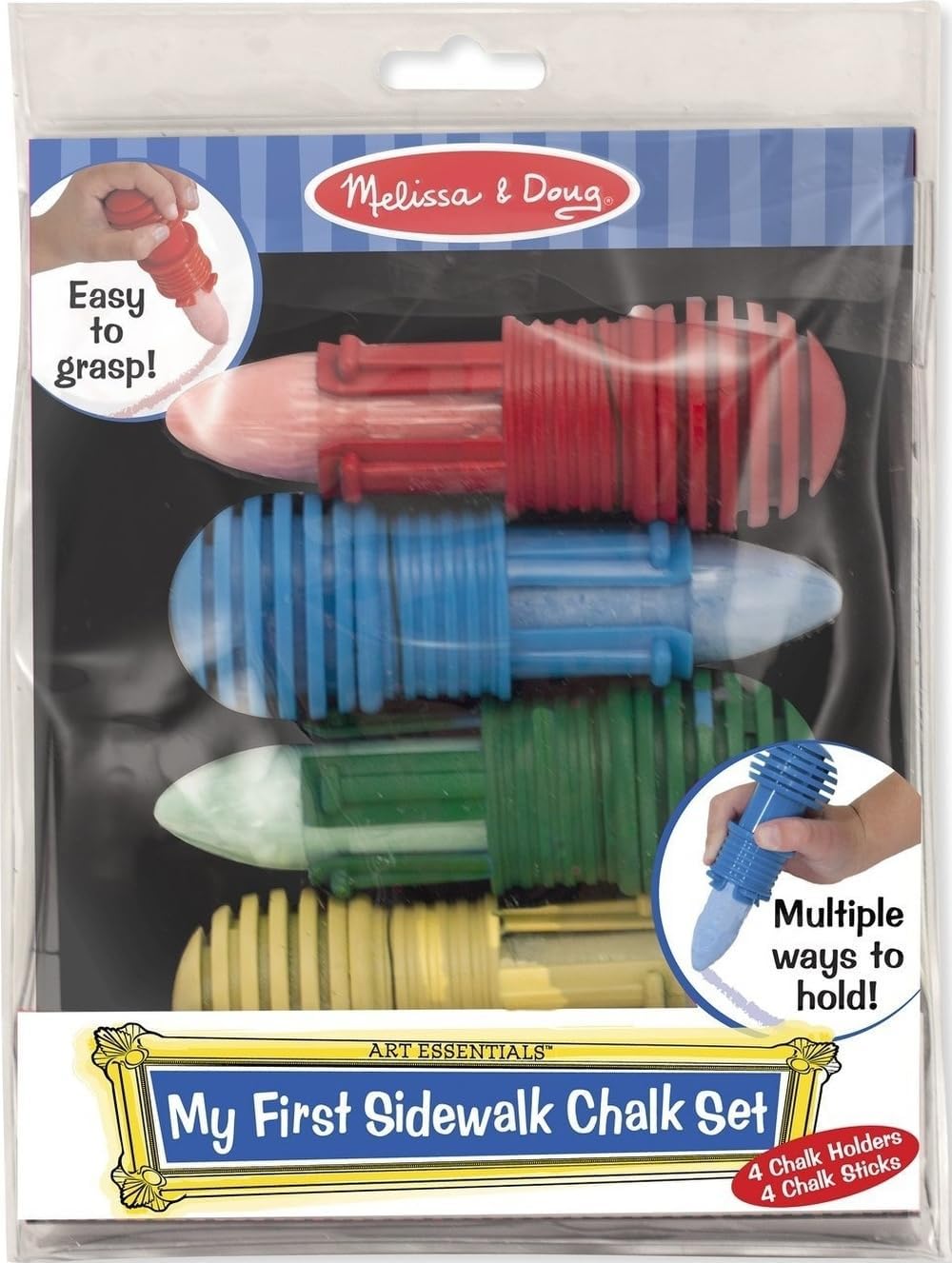
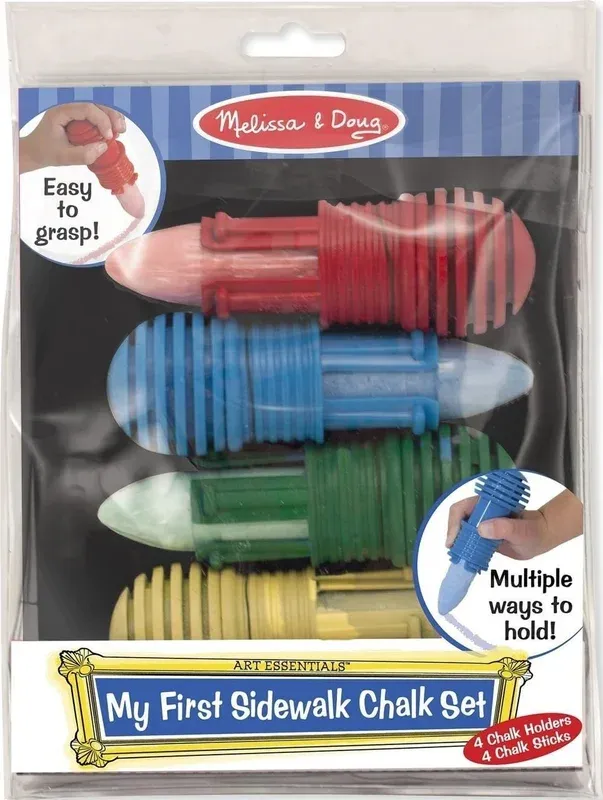
If you want a holder built into the first set, Melissa & Doug My First Sidewalk Chalk Set includes four chalk sticks and four adjustable plastic holders. Melissa & Doug’s manufacturer page lists the set for ages 3+ and describes ridged ball ends, textured bands, and holders that can be adjusted as the chalk wears down. Choose it when a parent wants to hand over one contained piece at a time.
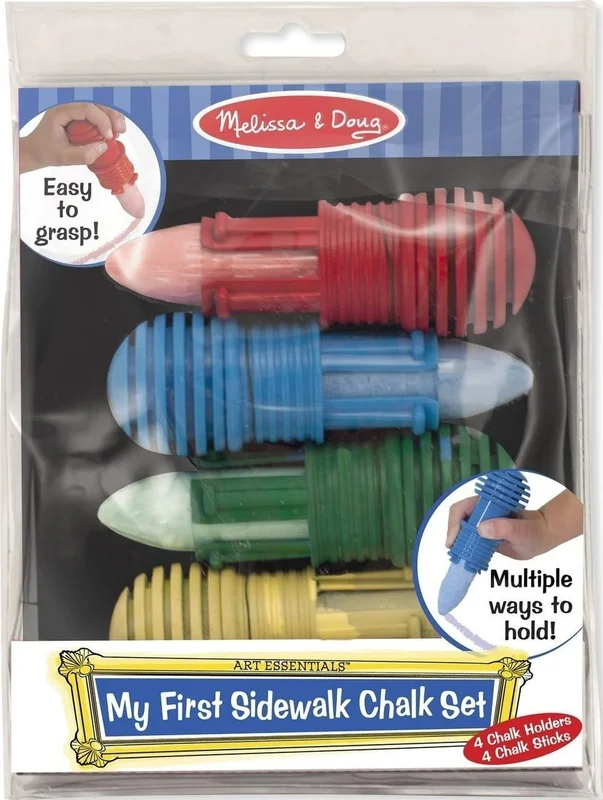
Melissa & Doug My First Sidewalk Chalk Set
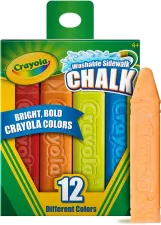
If your child is within a 4+ label, Crayola Chalk 12ct gives you more sticks in a plain chalk format. Crayola’s product page lists 12 anti-roll sticks and says they wash from sidewalks and driveways. Choose it when the park allows chalk and you need several colors; its 4+ label makes it an older-preschool option rather than a toddler recommendation.
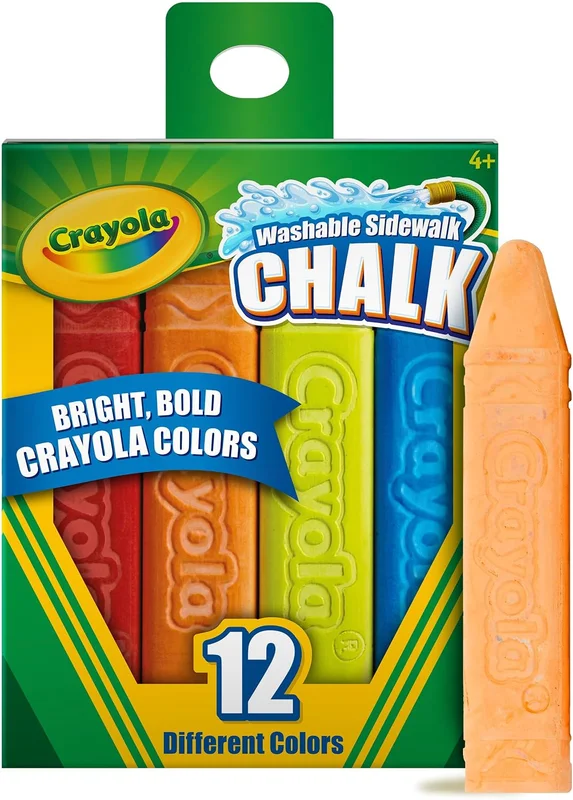
Crayola Chalk 12ct
Check the age label first
Age guidance is the quickest way to narrow the shelf. The CPSC Toy Safety FAQ advises adults to consider a toy’s age recommendations and supervise children. Treat that label as part of the buying decision, especially when a child is still mouthing objects or needs close help with turn-taking.
One useful example shows why the label matters: Crayola’s Sidewalk Chalk 12 Count page lists the set as ages 4+. That page also lists 12 sticks, an anti-roll shape, and washable-from-sidewalks-and-driveways language. Those are claims for that product page, not a guarantee for every chalk set. If your child is two or three, look for a current product with an age label that fits, and plan to hold the chalk yourself if needed.
Match the chalk to the park
Before comparing colors, ask three questions:
- Does the park allow chalk on this surface?
- Does the manufacturer describe cleanup for that surface?
- Can an adult keep small broken pieces out of a toddler’s mouth and away from the path?
Chalk belongs on an open, permitted concrete or asphalt area, never at a swing exit or across a busy walking route. The National Park Service’s Leave No Trace principles support leaving shared spaces ready for the next visitor. A product described as washable still needs the label’s cleanup method. Crayola’s outdoor chalk instructions tell users to test an inconspicuous area and warn that color may stain clothing or surfaces.
Features that help a toddler session
A clear age fit
Choose the age range before choosing a color theme. If the only appealing set is labeled for older children, make it an adult-held activity or pick a different activity. You can use the sidewalk chalk games for toddlers guide for ideas that rely on pointing and stepping rather than detailed drawing.
A shape that stays put
An anti-roll shape can keep a stick from traveling toward a drain or path; Crayola specifically lists that feature for its 12-count set. Do not assume another brand has the same design. On a slope, even a non-rolling piece can move, so make the play area flat and contained.
Directions you can follow
“Washable” is not a promise to use chalk on every surface. Keep the instruction sheet or product page available, test a small hidden spot when the park allows testing, and bring water only if the site permits cleanup. Avoid clothing that matters during the first session.
A manageable amount
For a toddler, two or three colors can create a line, circle, or road. A large set adds sorting and carrying. If an older sibling wants more choices, give the sibling a separate turn and keep the toddler’s area uncluttered.
Who should skip the purchase?
Skip chalk when the park prohibits it, the only permitted surface is uncertain, or your child is likely to mouth and break the sticks without close supervision. Try an easy toddler park game with a parent instead. Chalk is an optional prompt, not a requirement for a good outing.
A simple first use
Draw one broad line in the approved area. Invite your toddler to point to it, walk beside it, and put the chalk back in a container. Stop after a few turns, inspect the surface and clothing, and follow the product’s cleanup directions. If the line is the whole game, that is enough.
Sources
- Amazon, Melissa & Doug My First Sidewalk Chalk Set (B00L46TPMS), retrieved 2026-09-12.
- Melissa & Doug, My First Sidewalk Chalk Set, retrieved 2026-09-12.
- Amazon, Crayola Chalk 12ct (B00AHAJGZ8), retrieved 2026-09-12.
- U.S. Consumer Product Safety Commission, Toy Safety FAQ, retrieved 2026-09-06.
- Crayola, Sidewalk Chalk 12 Count, retrieved 2026-09-06.
- Crayola, Outdoor Chalk instructions, retrieved 2026-09-06.
- National Park Service, Leave No Trace Seven Principles, retrieved 2026-09-06.
Explore more park games.