Outdoor Games for One Child and a Parent
Choose outdoor games for one child and a parent by energy level, space, and time. These park ideas need little or no equipment.
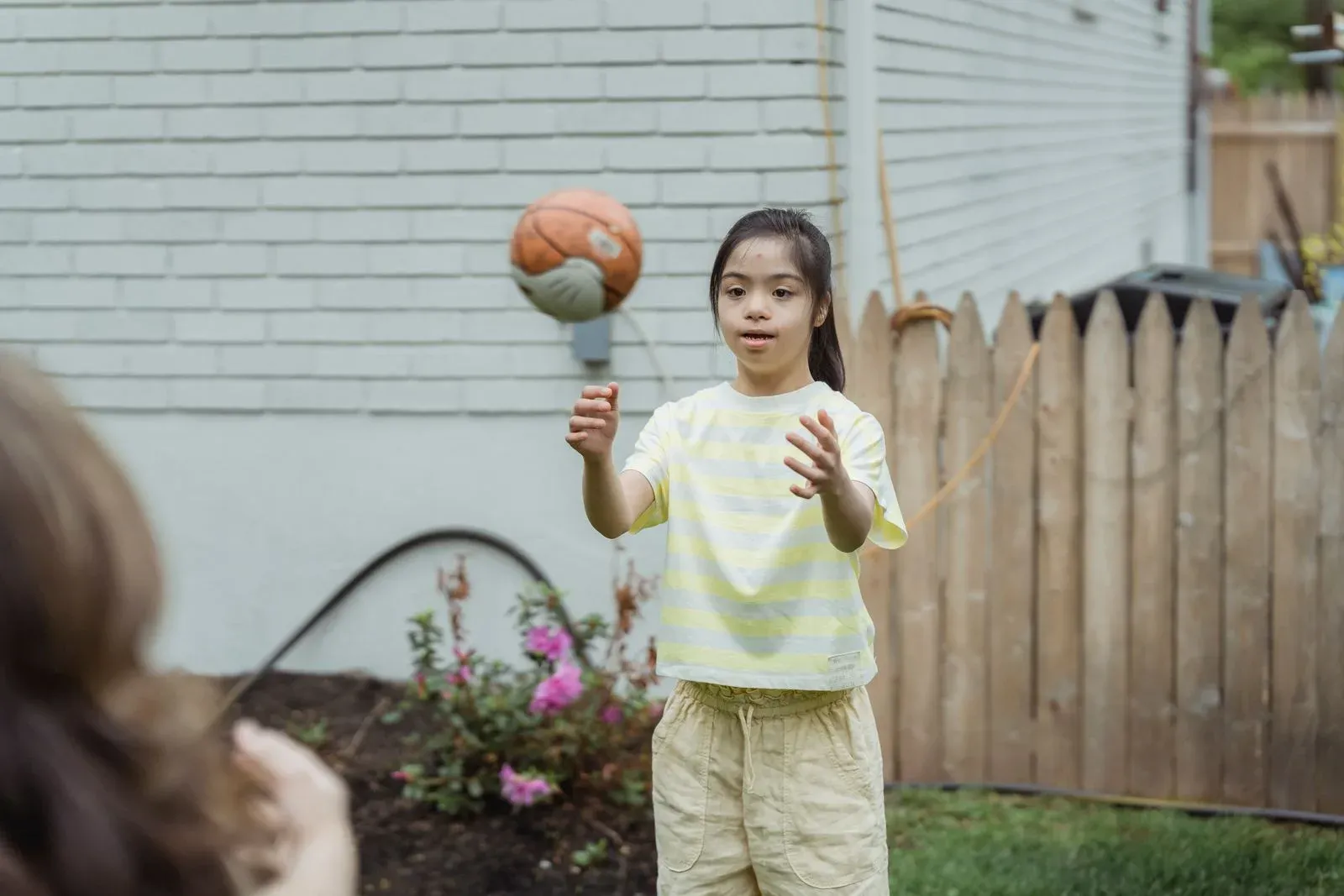
One child and one parent can make a full park game from a landmark, a short route, or a single soft ball. Pick the game by the child’s current energy. A child who needs movement can lead a route. A child who is tired can copy gestures from a bench. The adult sets the boundary and joins the play without turning it into a lesson.
Pick a game by the moment
Use a walking game when the child is restless, a target game when the child wants a job, and a mirror game when the park is crowded. Choose a spot with a clear view, away from swing paths, slide exits, roads, and shared trails. The National Park Service’s Leave No Trace guidance asks visitors to stay considerate of other people and leave natural objects in place.
You do not need to bring a complete kit. A scarf or soft ball can help, but every game below has a no-purchase version. Start with one round, then let the child decide whether to repeat, change, or stop.
Four two-person games
Landmark delivery
Choose two visible points, such as a bench and a tree. The child carries a scarf from one point to the other while the adult narrates a simple route. On the return, the adult becomes the delivery helper. The child can change the walking style, but the route stays the same. If the park fills up, shorten the route to two steps beside the adult.
Mirror steps
Face the child and make one slow movement. Reach up, tap knees, turn shoulders, or make a statue. The child copies, then becomes the leader. Keep the game in place when others are nearby. A child who does not want to lead can point to an action for the adult to copy.
Parent target
Hold a scarf or a large paper plate at a low height. The child rolls a soft ball toward it, then walks to retrieve the ball with the adult. Change the target position only after the child asks for a new challenge. Without a ball, the child can toss a pretend package into the adult’s open hands.
Route storyteller
Make a three-step story while walking: wave at the gate, march to the line, and sit on the grass. Let the child choose one new step. The adult repeats the child’s step exactly, then names the finish point. The story keeps the route short and gives the child a leadership role.
What if the child wants to do something else?
Follow the child’s idea when it fits the space and posted rules. If the child starts climbing a crowded structure, offer the same theme on the ground: “You can be the climber and I will be the lookout. Let’s make a climbing story beside the path.” Never use park fixtures as improvised launching or balancing equipment.
If the child walks away, leave the game open. Keep playing for a few seconds, then pack up if the child does not return. The parent-child park games guide has more games where the adult and child can switch roles without a winner.
A three-minute plan
Use one minute of mirror steps, one minute of landmark delivery, and one child-chosen action. End with water or free play. Saying “last round” before the final turn gives the child a clear finish without adding a negotiation at the end.
If the child needs a familiar first invitation, use park games for toddlers and offer only two choices.
Sources
- National Park Service, Leave No Trace Seven Principles, retrieved 2026-09-06.
- Playworks, Simon Says game library, retrieved 2026-09-06. Used for adult-led movement cues; these two-person games are original adaptations.
Explore more park games.