Red Light, Green Light for Preschoolers: A Gentle Park Version
Teach red light, green light for preschoolers with a short course, walking rules, and no-elimination variations for ages 3–5.
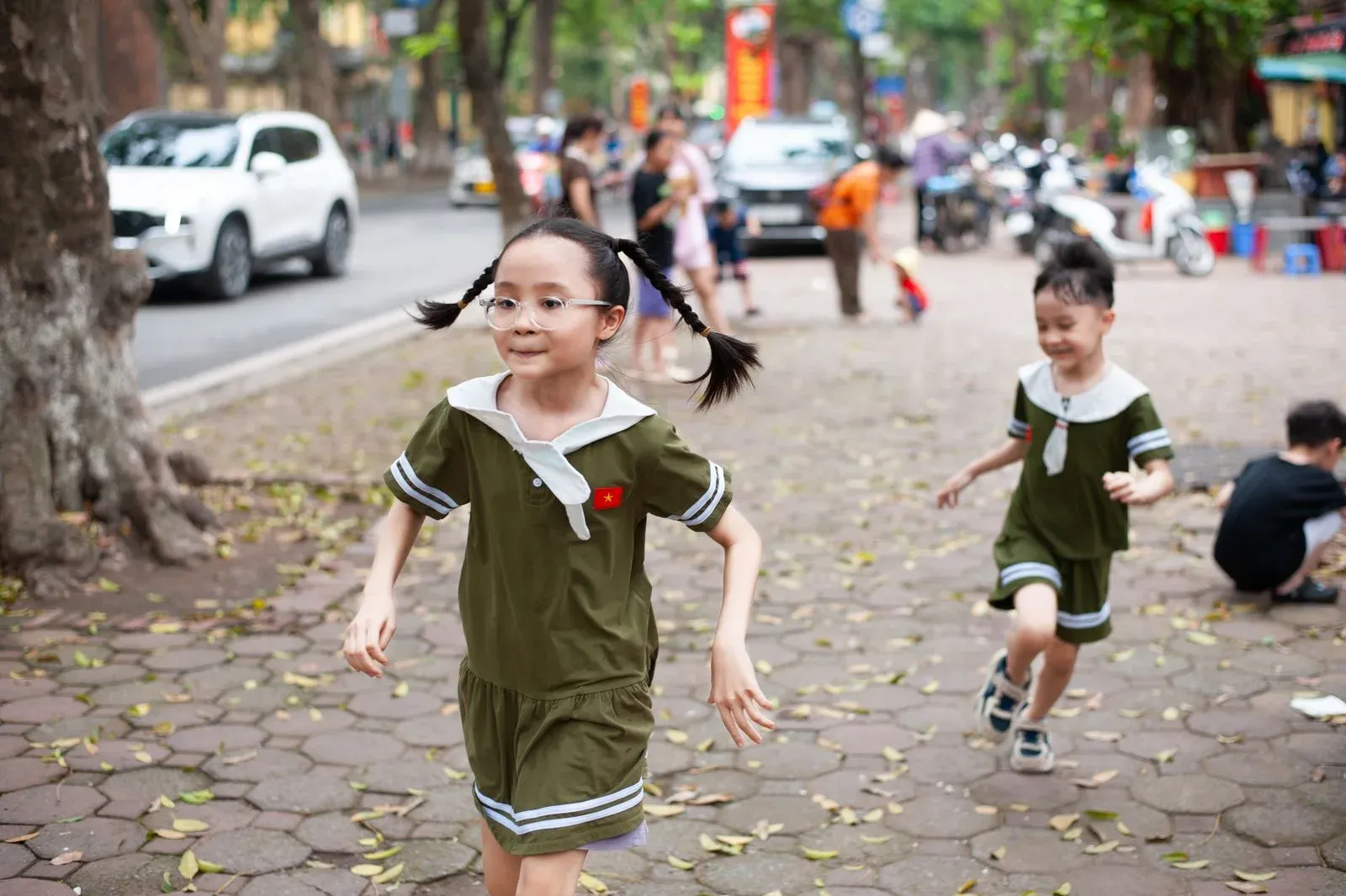
For preschoolers, red light, green light works best as a walking-and-freezing game. Mark a starting point and a finish point on a clear, quiet surface. On “green light,” children walk toward the adult. On “red light,” they stop. Keep everyone in the game, shorten the course, and let children take the caller role once they understand the signals.
Choose a safe course
Use a route that stays away from roads, parking areas, swings, slide exits, and busy paths. The finish line can be the parent, a tree, or a visible patch of grass. Do not use a child as a moving finish line near other visitors. Check the park’s posted rules and keep the group on an established surface. The National Park Service’s Leave No Trace principles include planning ahead and being considerate of other visitors.
Playworks describes the game with a starting line, a finish line, and clear stop-and-go cues in its Red Light, Green Light game library. The preschool version below changes the pace to walking and replaces going back with a simple reset.
How to play
Gather children at the starting line. Demonstrate one round yourself. Say “green light,” walk forward, then say “red light” and hold up a flat hand. Wait until everyone has stopped before giving the next cue. Use a calm voice and leave enough space between players.
If a child moves after red, say, “The light caught your feet. Come back to the last line,” or simply invite a reset where everyone takes one step backward. Preschoolers may not be able to stop instantly. The purpose is listening and pausing, not catching mistakes. Continue until the group reaches the finish, then choose a new caller.
Preschool variations
- Yellow light: Walk slowly. Use it only after the red and green cues are familiar.
- Animal light: Green means walk like a bear or duck. Red still means freeze.
- Back-to-the-line: The whole group returns to the start after three cues. This avoids singling out one child.
- Picture cues: Hold up a green card and red card if sound is hard to hear.
- Parent path: The adult walks beside a child who needs a hand to stop safely.
Avoid running, pushing, surprise turns, or elimination. A wide course with fewer players is easier to manage than a narrow course with more rules.
How long should a round last?
Aim for two to five minutes, then change roles or move to free play. If the children reach the finish quickly, reverse the route rather than making the distance much longer. If they lose interest, use only five cues and let the last caller choose the next movement game. A short round is useful when a park area is busy.
Use park games for toddlers if a younger sibling needs a closer, slower version. For a birthday group, place one adult at each edge of the course and keep the finish away from equipment exits.
Common friction points
Children may start before the cue because they are excited. Return to the starting point and practice one silent pause. A child may continue walking because the signal was hard to hear; move closer or add the hand sign. A child may dislike being corrected; use the whole-group reset instead. The adult’s job is to keep the course clear and the rules predictable.
For a cue game that keeps children in place, try Simon Says outdoors and choose standing actions.
Sources
- Playworks, Red Light, Green Light game library, retrieved 2026-09-06.
- National Park Service, Leave No Trace Seven Principles, retrieved 2026-09-06.
Explore more park games.