Pond Observation Activities for Kids: Watch From the Edge
Try safe pond observation activities for ages 3–7 using reflections, movement and sound while staying back from water and following park rules.
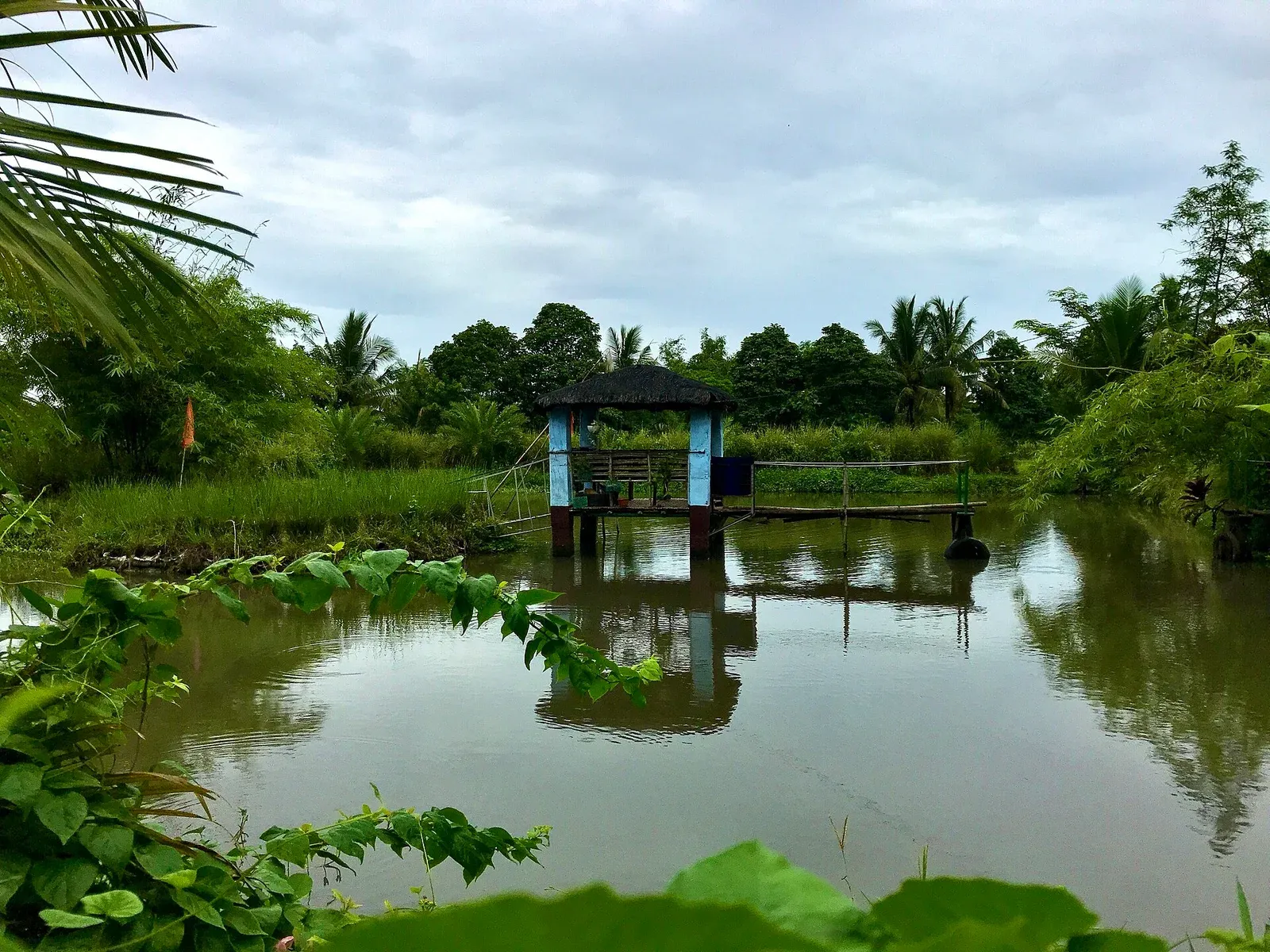
Pond observation should happen from a stable, permitted viewing place with an adult close by. Children can watch reflections, ripples, plants, birds, and insects without stepping toward the water. Check railings, signs, weather, and the child’s ability to stay beside you before starting.
The National Park Service Leave No Trace guidance includes respecting wildlife and staying on durable surfaces. Treat the pond edge as a viewing boundary, not an invitation to enter or touch.
Set up an edge-based view
Choose a bench, overlook, or marked path. Position the child behind the adult’s chosen line. Keep bags and loose objects away from the edge. If the park has a fence, stay behind it.
Start by asking the child to point to three things that are above, beside, or reflected in the water. This gives the child a visual job while the adult watches the boundary.
Leave if the surface is slippery, the child is climbing, or other visitors make the area difficult to supervise. The activity can happen beside a puddle or wet patch instead.
Try four observations
Reflection: Find a reflected shape and compare it with the object above the water. Say “looks like” rather than treating the reflection as a second object.
Ripple: Watch what happens after wind, a falling leaf, or an animal moves. Do not throw stones or sticks to create a ripple.
Movement: Look for movement on the surface, along the bank, or in the air. Never chase a bird or insect to identify it.
Sound: Listen for water, wind, birds, or footsteps. Use sound walk ideas if the child wants a dedicated listening round.
Let questions stay open
A child may ask what lives in the pond or what made a mark. Offer a cautious possibility and return to visible evidence: “It could be a water insect. What did it do?” The adult can check a local guide later.
Do not encourage children to touch tadpoles, feed ducks, collect shells, or taste plants. A close look from a distance is enough. The Cornell Lab bird guide may help adults identify a bird after the visit.
Adapt for a short visit
Use one observation for five minutes. Use all four for 15 minutes. Younger children can point and compare. Older children can sketch a reflection or write a question.
If the pond area is not appropriate for your group, use nature play in a small park space around a bench or tree instead. The goal is careful looking within a boundary.
Stay at the adult-selected water boundary
Choose a viewing place well back from the edge and tell the child exactly where feet stay. From there, compare a reflection, a surface movement, and one sound. A toddler can point while holding an adult’s hand; an older child can draw the waterline without approaching it. Do not reach into the pond, throw objects, follow an animal, or step onto mud, ice, or a steep bank. If the view is blocked, change the question instead of moving closer. A water observation is complete from a safe distance.
Sources and related reading
- National Park Service, Leave No Trace Seven Principles
- Cornell Lab of Ornithology, All About Birds Guide
- Pair the activity with bird watching with kids.
- Use nature observation activities for a non-water setting.
Explore more nature play.