Sound Walk for Kids: A Quiet Nature Game
Lead a short sound walk for ages 2–7 with listening pauses, gentle sound descriptions and clear boundaries around birds and wildlife.
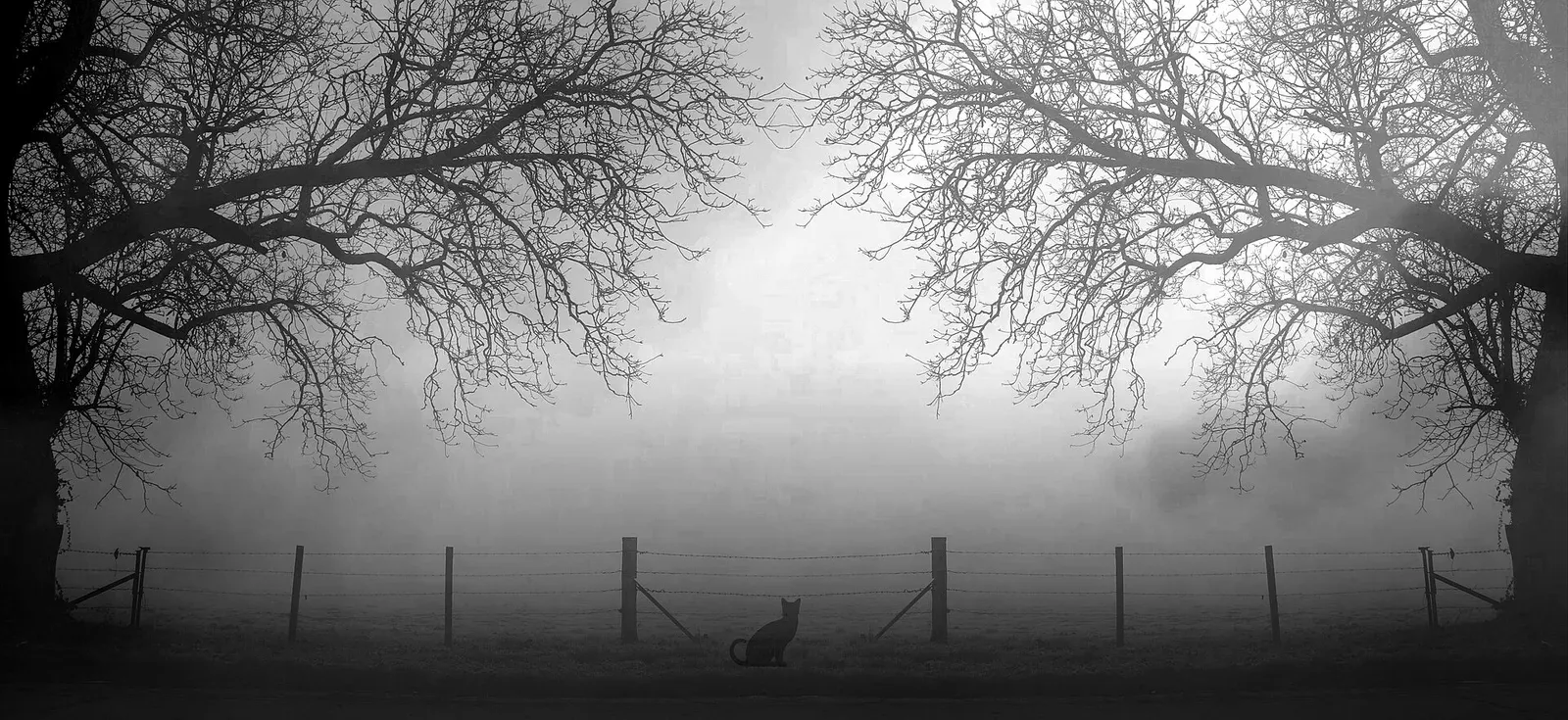
A sound walk asks children to listen before they move. Choose a safe place to pause, stay quiet for a short count, and describe what you hear without needing to identify the source. A sound can be near, far, repeated, soft, scratchy, high, low, or surprising.
The Cornell Lab’s beginner nature guidance encourages curiosity over the pressure to know every answer. That is a useful rule for a sound walk: notice first, guess gently, and leave wildlife alone.
Set a clear route
Choose a short path with an adult-controlled stopping place. A bench, a broad lawn edge, or a quiet section of paved trail works well. Avoid standing in the middle of a shared route. Check the park’s posted rules and keep children away from water edges.
Explain the listening boundary before you begin. Children may hear a bird, insect, person, vehicle, wind, or their own footsteps. Nobody needs to move toward the sound. Do not call back to birds or use recordings to draw animals closer.
Use three listening rounds
Round one: all sounds. Stand still for 20 to 30 seconds. Let children point when they hear something. Afterward, name the qualities of the sounds rather than the sources.
Round two: one sound. Choose a sound that repeats. Ask whether it stays the same or changes. A child can count repeats, tap a finger, or say “again” without writing.
Round three: quietest sound. Listen for the sound that is easiest to miss. It might be a leaf moving, a distant voice, or a small drip. If the child cannot hear one, that is fine. The prompt is an invitation, not a challenge.
Use the nature walk activities guide to pair the listening round with a color or shape observation.
Make it work for different ages
A two-year-old can point and imitate a sound. A preschooler can choose two describing words. An older child can sketch a simple sound map with marks for near and far. An adult can write down a child’s phrase exactly.
If silence feels difficult, give children a quiet job. Hold a hand up when a sound starts, point in the direction without walking, or draw a line that gets longer when the sound lasts. These jobs create participation without increasing noise.
Keep the walk respectful
A sound walk is not a wildlife search. Never approach nests, chase a bird, shake a bush, or touch an animal to identify a sound. The National Park Service Leave No Trace principles recommend respecting wildlife from a distance and being considerate of other visitors.
End with one question: “Which sound would you notice again?” The answer can be a memory rather than a species name.
Sources and related reading
- Cornell Lab Bird Academy, How to Connect Kids with Birds and Nature
- National Park Service, Leave No Trace Seven Principles
- Follow listening with bird identification games.
- For a written follow-up, use nature journal prompts.
Explore more nature play.