Nature Walk Activities for Kids: Four Ways to Slow Down
Use four simple nature walk activities for ages 2–7: sound, shape, color and one-subject observation on a short park route.
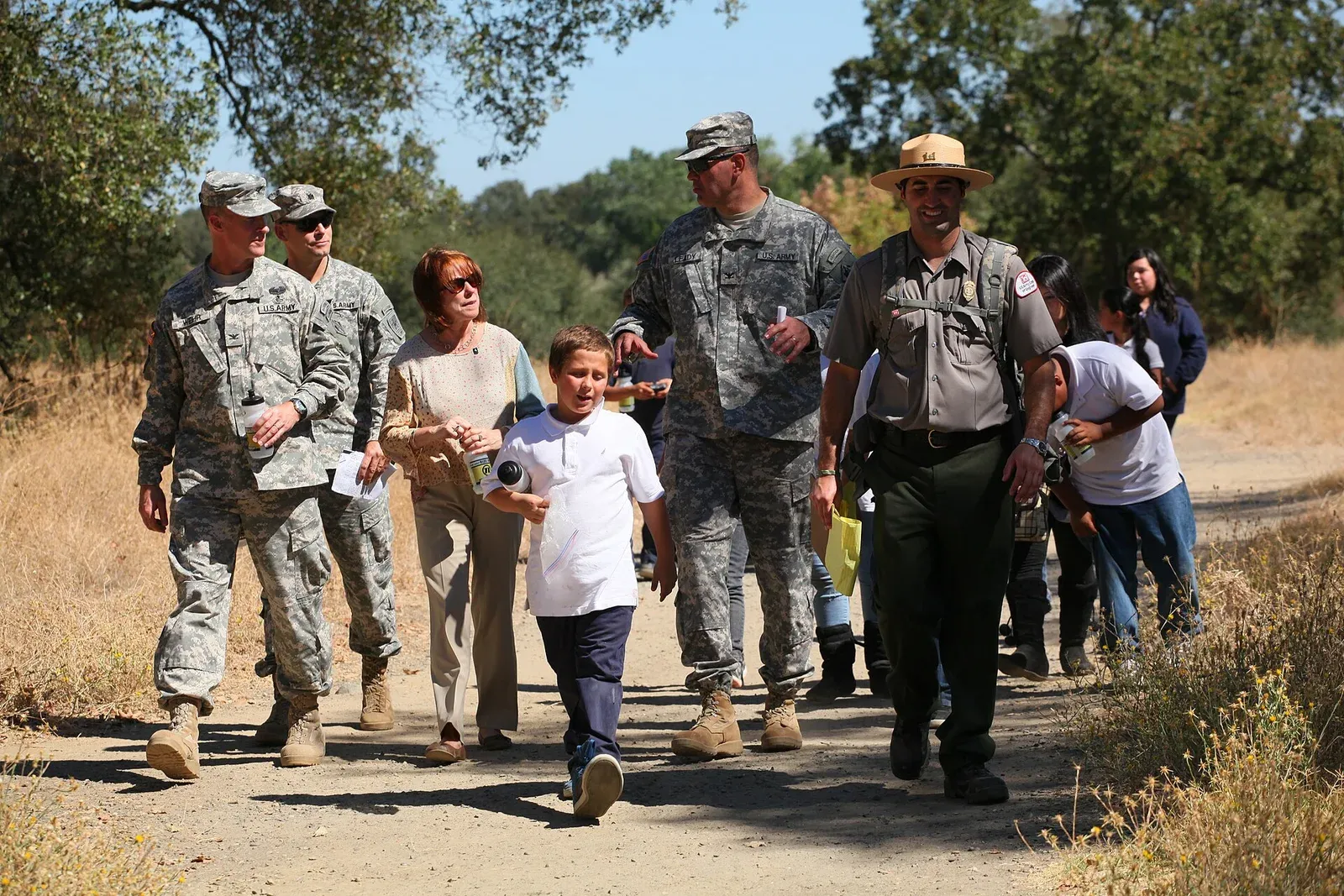
A nature walk becomes easier when the child knows what to notice. Instead of asking for a long list, choose one rule for a short stretch: listen for sounds, follow shapes, compare colors, or study one subject. Change the rule at the next stopping point.
The National Park Service recommends planning for local rules and conditions. Check the route before inviting children to look closely, especially near water, planted beds, or busy shared paths.
1. Take a sound walk
Walk quietly for one minute, then stop together. Name sounds by quality rather than source: repeated, scratchy, high, low, close, or far. If a child guesses “bird,” treat it as a hypothesis. Do not call back or move toward an animal to confirm it.
This format works for children who notice sound before they notice visual details. It also gives an active child a clear reason to pause.
2. Follow a shape
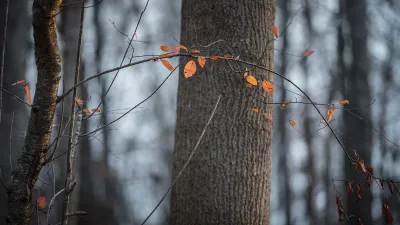
Choose one shape, such as a circle, arc, zigzag, or branching line. Look for it in a leaf edge, a cloud, a shadow, a fence, or a tree. Ask whether the shape is exact or only similar.
Young children can trace the shape in the air. Older children can sketch the most interesting example in a notebook. Use nature shapes hunt ideas when you want a whole visit built around form.
3. Compare colors
Find two shades of one color, then find a color that appears only once. Stay with objects in place. A photograph, pointing, or a tally is enough.
Color changes with light, weather, and season, so the same route can feel different later. The nature color hunt extends this into a simple game without asking children to collect leaves or flowers.
4. Study one subject
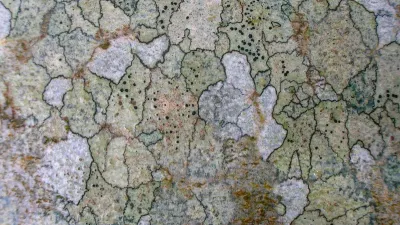
Choose one tree, rock, patch of moss, or section of sky. Look for three details: a line, a change, and a question. “Why is one side darker?” is a useful question even when nobody knows the answer.
Use a five-minute timer only as a gentle boundary. Children can stop earlier. The point is to see more details, not to keep them occupied for a fixed period.
Help children share the walk
Take turns choosing the observation rule. A two-year-old can point. A preschooler can compare. An older child can dictate or write a note. If children are different ages, let them observe the same place in different ways.
Avoid turning the walk into an identification test. The Cornell Lab’s beginner birding guidance encourages a curious beginner mindset. “I wonder what that is doing” can be a complete response.
Leave the route as you found it
Stay on the path when requested. Do not pick plants, disturb nests, chase insects, feed wildlife, or taste anything found outdoors. These boundaries make the walk safer for the child and less disruptive for the place.
Sources and related reading
- National Park Service, Recreate Responsibly
- Cornell Lab Bird Academy, How to Connect Kids with Birds and Nature
- Follow one subject with nature observation activities.
- Try a quieter version with quiet nature activities.
Explore more nature play.