Bird Identification Games for Kids: Notice Shape, Sound and Habitat
Use bird identification games for ages 3–7 that work even when children cannot name a species, from silhouette clues to habitat matching.
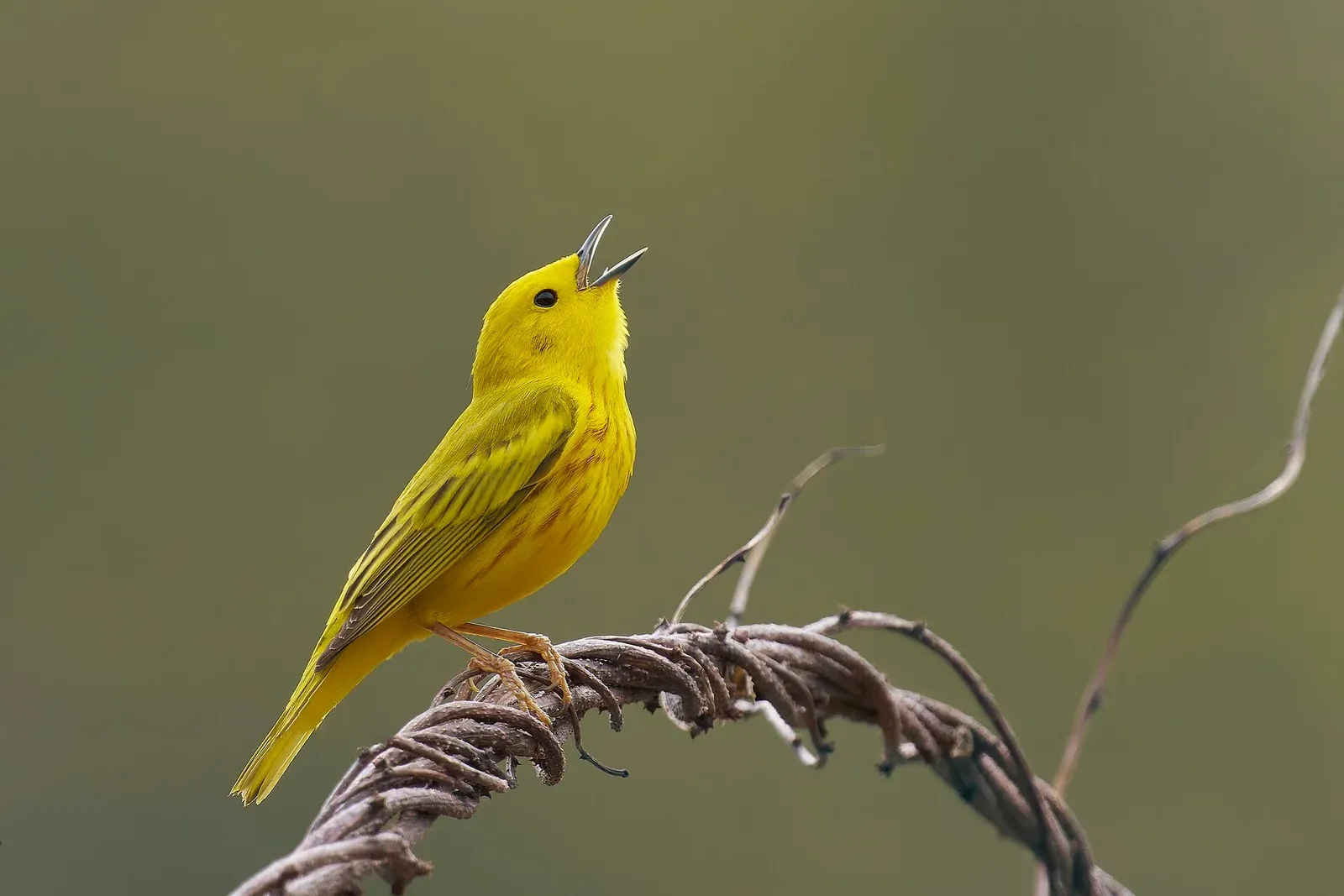
Bird identification games can teach children what to notice without turning a park walk into a test. Use shape, movement, sound, and habitat as separate clues. A child can win by making a careful observation, even when the final answer remains unknown.
The Cornell Lab bird guide offers a reference for North American birds, but the guide is most useful after the child has looked. Start with a real view, then compare.
Game one: shape and movement
When a bird is visible, ask the child to describe its outline. Is it round, narrow, long-tailed, or compact? Is it perched, hopping, walking, or flying in a straight line?
Do not ask children to approach for a better view. If the bird moves away, keep the original description. A distant, uncertain observation is still useful.
Game two: sound pattern
Listen for whether a sound repeats, changes, rises, falls, or stops. Mark the pattern with taps or lines in a notebook. Do not imitate the call or play a recording. The goal is to listen without changing the animal’s behavior.
The Cornell Explorer’s Guidebook uses observation prompts that can be adapted to a family walk.
Game three: habitat match
Ask where the bird was: on a lawn, in a tree, near water, on a fence, or in the air. Then ask what else is in that place. This focuses on the bird’s surroundings rather than a single color.
A child can draw a quick map with the bird as a dot and the habitat as a few lines. Use nature drawing activities if the child wants more time to record.
Game four: two clues and a maybe
Give the child two visible clues and invite a tentative guess. For example: “It is small and hopping near the path.” Use “maybe” or “I’m not sure.” A parent can check the guide later without correcting the child in the moment.
If the clues do not fit one species, keep the record at the category level: small bird, water bird, dark bird, or unknown. This is more accurate than forcing a name.
Keep a respectful boundary
Stay where the adult can see the child. Do not approach nests, handle feathers, feed birds, or use calls to draw them closer. The National Park Service Leave No Trace principles recommend respecting wildlife from a distance.
For an introductory routine before these games, use bird watching with kids. If the child wants gear, read the criteria in toy versus real binoculars.
Keep the identification game bounded
Use one bird or one sound at a time. Let the child choose a visible clue, such as a color patch, overall size, movement, or where the bird was sitting. Offer two possible descriptions rather than a long list of species. If the bird flies, end the round and leave the area quiet. An adult can check a guide later, and “unknown” remains a valid answer. For ages 2–3, matching a picture or sound word is enough. For ages 4–7, invite the child to record a possible name and one reason, without treating the answer as certain.
Sources and related reading
- Cornell Lab of Ornithology, All About Birds Guide
- Cornell Lab, Explorer’s Guidebook
- National Park Service, Leave No Trace Seven Principles
Explore more nature play.