Bird Watching With Kids: A Beginner’s Park Routine
Plan a beginner bird-watching routine for ages 3–7 with listening, stillness, distance and local references that do not require bird expertise.
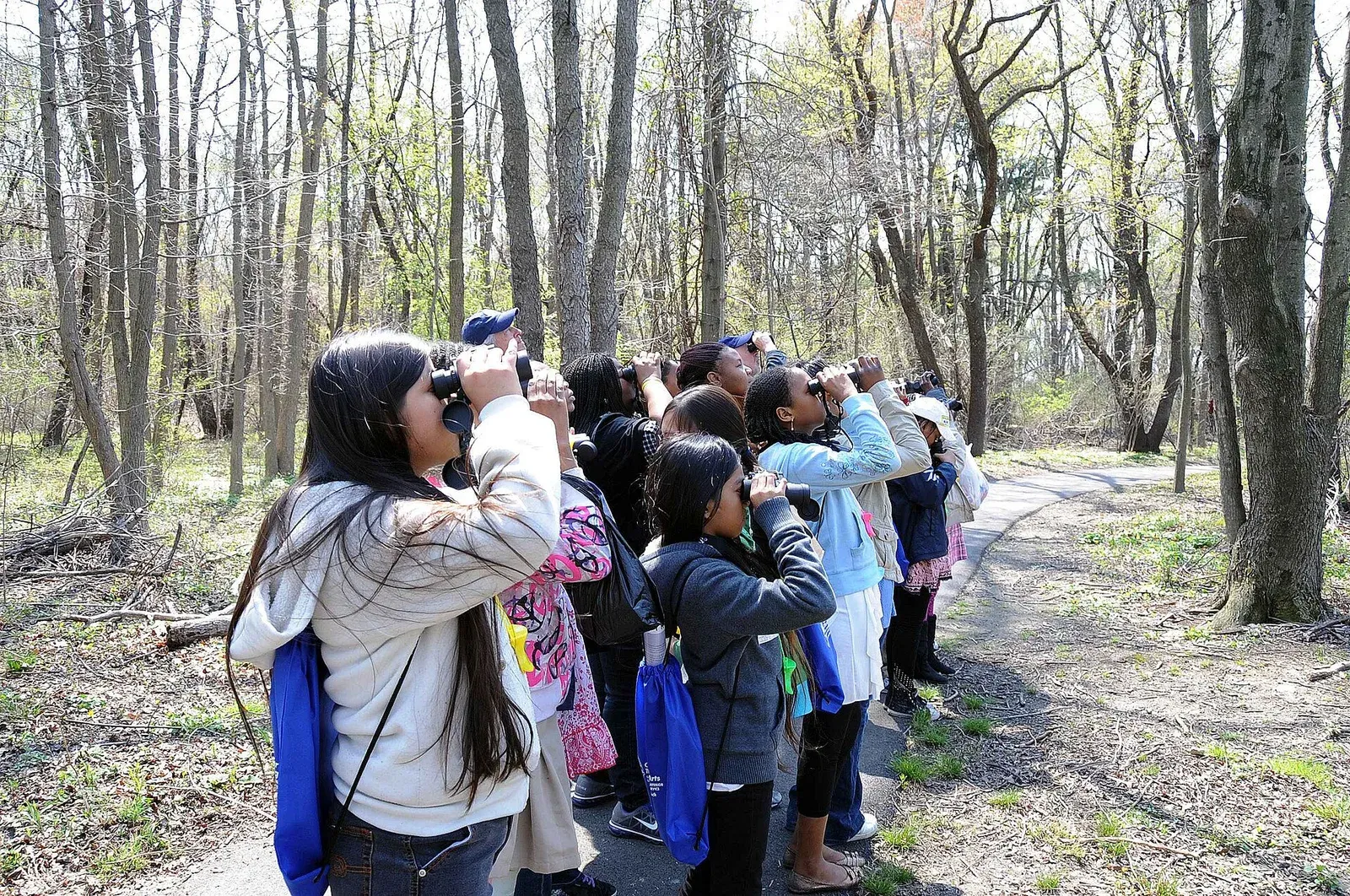
Beginner bird watching with a child can be one quiet pause beside a tree. Listen first, watch from a distance, and describe what the bird is doing before trying to name it. A child can participate by pointing, copying a movement with words, or noticing where the bird is not.
The Cornell Lab’s advice for taking children into nature emphasizes curiosity and practical observation. You do not need a long route or a collection of equipment to begin.
Choose a calm observation place
Pick a spot where the adult can see the child and the child can see an open area. A bench beside trees, a quiet lawn edge, or a path with a clear view can work. Avoid approaching nests, dense brush, feeding stations, or birds that appear stressed.
Explain the boundary: we watch from here. We do not chase, call, feed, or throw anything to make a bird move. If the bird leaves, the observation ends.
Use a four-step routine
Listen. Pause before looking. Ask whether the sound is repeated, single, near, or far.
Find movement. Look for a bird-sized movement without sweeping the whole park quickly. A child can scan from left to right with an adult.
Describe. Use visible clues such as large or small, dark or light, perched or flying, alone or in a group. Avoid promising an identification from one glance.
Leave space. Watch until the child loses interest, then move on. A short look is a complete outing.
If the child wants an activity after the routine, try bird identification games that focus on shape, sound, and habitat.
Decide whether binoculars help
Young children may find binoculars hard to aim or hold steady. The Cornell Lab Bird Academy preview notes that some children are not ready to use them well until later childhood. Borrowing, sharing, or watching with bare eyes can be the better choice.
If you do bring binoculars, keep the child’s view brief and never use them to move closer to wildlife. The Cornell bird guide can help adults compare a possible sighting later.
Keep identification tentative
A field guide is a reference, not a requirement. Say “This might be…” when the evidence is limited. Compare shape, behavior, habitat, and sound only when those details are clear. “Unknown bird” is an honest record.
Do not use a bird call recording to lure a bird during a family park visit. Be considerate of other visitors and follow posted wildlife rules.
End with a simple field note
After the bird leaves, ask the child to choose one visible clue, one sound clue, and one place clue. The adult can write the words exactly as spoken. If no bird appears, record the wait itself: weather, location, and one other sound. This keeps a short outing useful without luring wildlife or turning the visit into a search for a guaranteed sighting. A two-year-old can point and imitate a sound; an older child can add a sketch or “maybe” identification. Give the bird room throughout and let the route continue when the child is ready.
Sources and related reading
- Cornell Lab, Take a Child Into Nature
- Cornell Lab Bird Academy, How to Connect Kids with Birds and Nature
- Add a specific game with bird identification games.
- Compare observation tools in best binoculars for kids.
Explore more nature play.