Cloud Watching Activities for Kids: Shapes, Speed and Sky Notes
Use simple cloud watching activities for ages 3–7 to notice shape, coverage and movement while keeping weather safety clear.
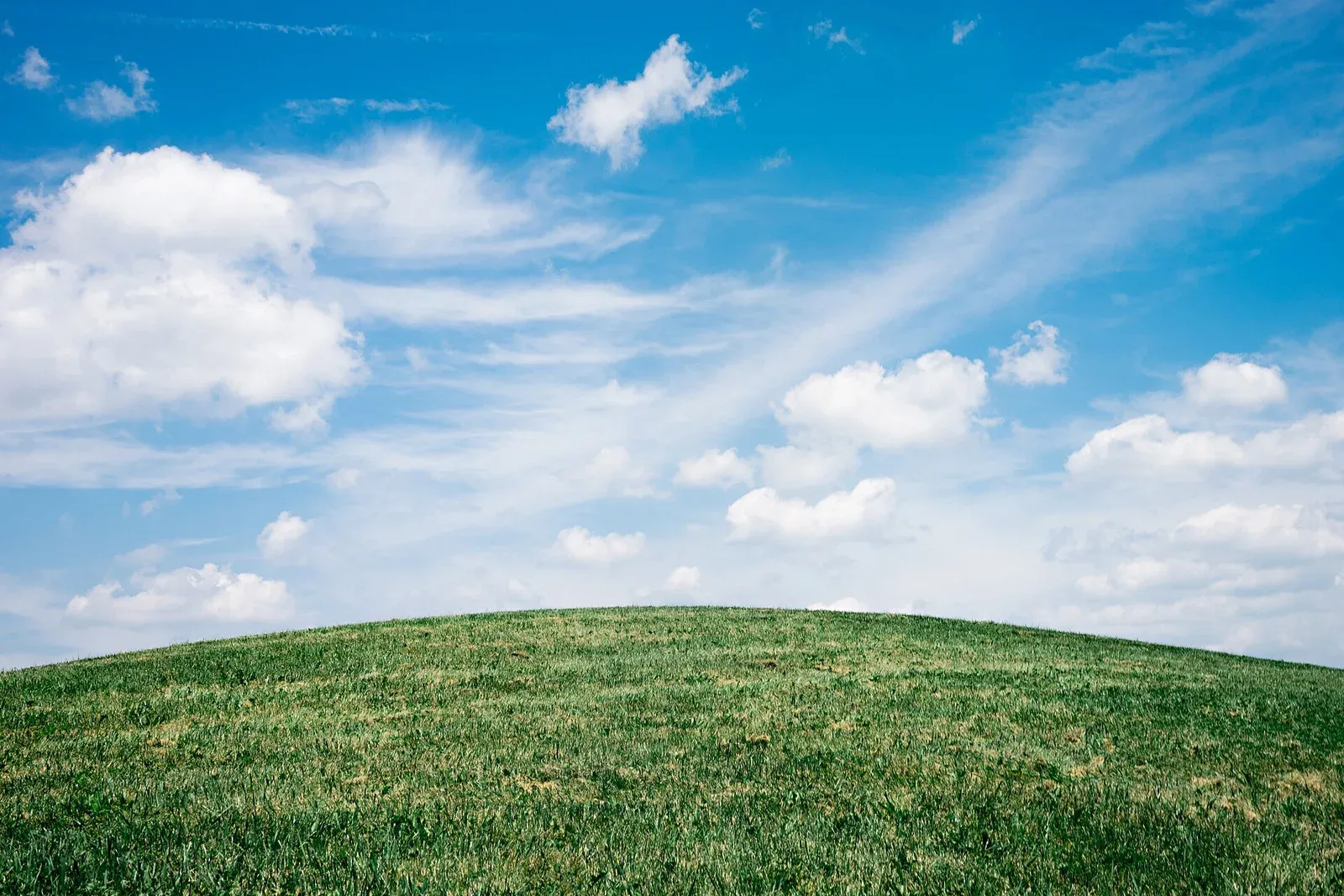
Cloud watching is a looking game, not a promise that children can predict a storm. Choose a clear view, watch one patch of sky, and describe the clouds by shape, coverage, brightness, and movement. The National Weather Service cloud guide can give adults vocabulary, but a child can enjoy the sky without naming a cloud type.
Choose a safe sky view
Use a bench, blanket, or open lawn with shade nearby. Check the weather before leaving and follow any park alerts. Leave when thunder, lightning, high wind, or changing conditions make the visit unsuitable. Never make children stay outside to finish an activity.
Keep the observation area away from roads, water edges, and places where people are moving quickly. A child can lie back on a blanket, sit, or stand. The safest position is the one that lets the adult keep track of the whole group.
Try three cloud games
Shape without a story. Ask the child to trace the outline of one cloud with a finger in the air. Then describe its edges as soft, sharp, flat, or changing. Imaginative shapes are welcome, but label the story as pretend.
Coverage check. Look at a small window of sky between two fixed points, such as a tree branch and a roofline. Is the window clear, partly covered, or fully covered? Recheck after a few minutes.
Movement watch. Pick one cloud and notice whether it crosses the window. The child can use words such as slow, fast, fading, growing, or splitting. Do not make a forecast from the game.
For a quieter record, add one sentence to the weather observation log. A drawing of a cloud edge is enough.
Use cloud words carefully
The National Weather Service explains that cloud names are linked to appearance and height. Young children do not need a classification lesson. Start with visible features: puffy, layered, thin, gray, bright, high, or low-looking.
If an adult offers a cloud name, say “This looks like the kind of cloud called…” rather than treating the label as certain. The sky changes, and a single view can be hard to classify.
Include a child-led question
Ask, “What do you wonder about this sky?” A child may wonder why one side is brighter, where a cloud goes, or why the wind moves one layer differently. Keep the question open. You do not need to solve it during the park visit.
The nature journal prompts can help a child capture the question without writing a long answer.
Return to the same patch of sky
Choose a safe stopping place with a clear view and compare the sky at the start and end of the visit. Ask the child to describe one cloud edge, one open patch, and one change in shape. Younger children can point or make a cloud sound; older children can sketch two outlines and add a time. Avoid promising that a cloud shape predicts weather. If the sun is visible, keep eyes away from it and use the adult’s shade or a ground view instead. The family can leave after one observation; a longer cloud watch is optional.
Sources and related reading
- National Weather Service, Clouds and Contrails
- National Weather Service, Basic Weather Education
- Record a visit with weather observation for kids.
- Use a short route from nature walk activities for kids.
Explore more nature play.