Weather Observation for Kids: A Park Visit Log
Help children ages 4–7 observe clouds, wind, ground conditions and light at the park without turning a simple log into a forecast.
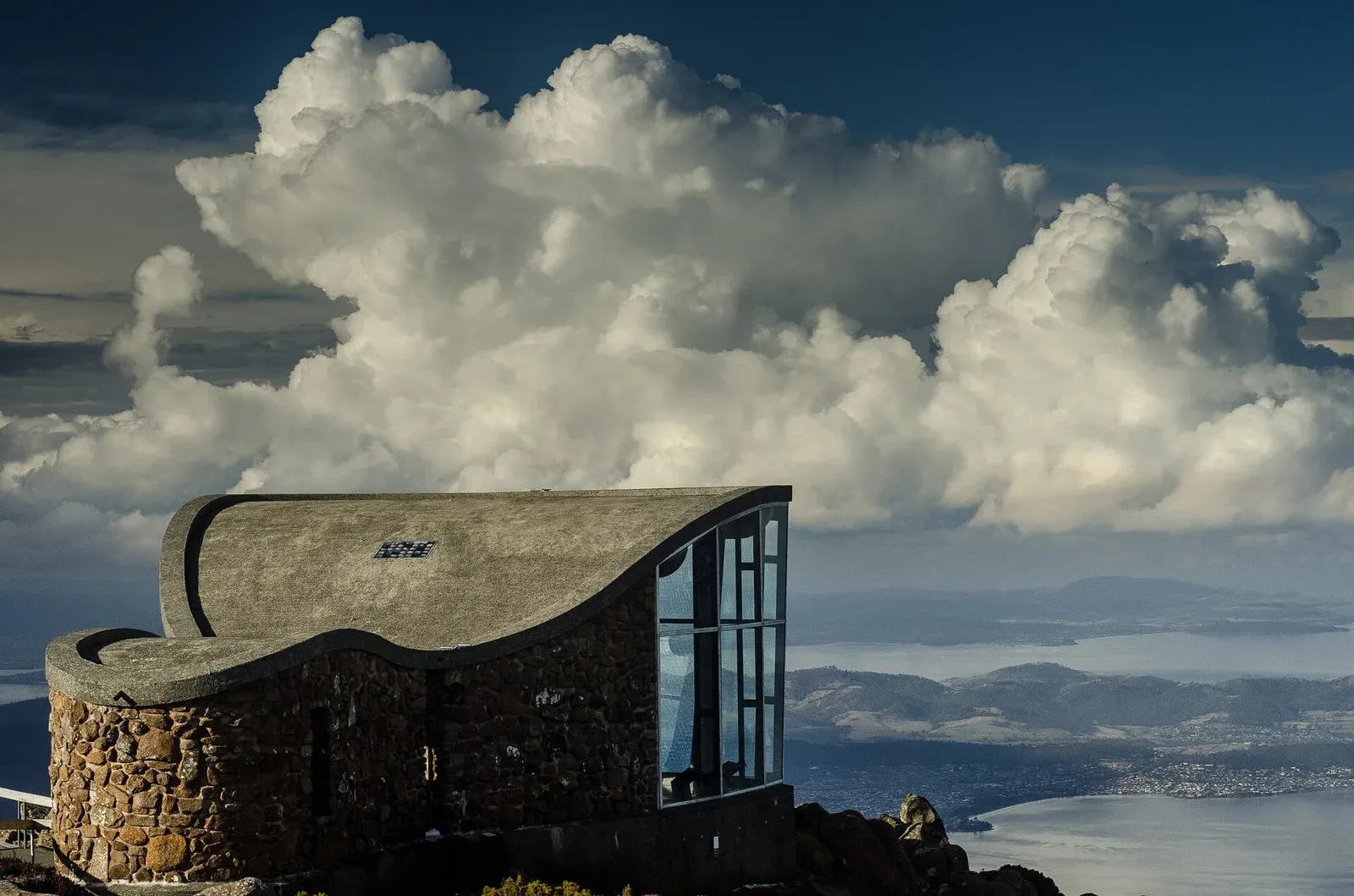
A child-friendly weather log records what is happening now. Choose a safe observation point and ask the child to look at the sky, feel the air only if comfortable, and notice the ground. Write or draw the result. The purpose is to compare visits, not to promise an accurate forecast.
The National Weather Service education materials provide adult background on clouds, precipitation, and other weather topics. Use that information to answer a question, while keeping the child’s log focused on visible details.
Use four observation boxes
A notebook page can have four headings:
- Sky: clear, cloudy, layered, bright, or changing.
- Wind: still, moving leaves, moving grass, or moving clouds.
- Ground: dry, damp, muddy, snowy, or covered with leaves.
- Light: bright, shaded, warm-looking, or gray.
A child can circle a word, draw a symbol, or dictate a sentence. There is no need to measure temperature unless an adult already has a suitable thermometer and knows how to use it safely.
Compare two visits
Return to the same bench or tree on another day. Ask which box changed and which stayed similar. Keep the dates visible. The National Park Service phenology guidance shows how repeat observations can make seasonal change easier to notice.
Avoid turning a single comparison into a rule. A dry day after a wet day is one observation. It does not prove what the weather will do next time.
Make a short activity from the log
Choose one box for a five-minute game. For sky, find a cloud edge. For wind, watch one leaf without touching it. For ground, compare two surfaces from the path. For light, find a place where a shadow begins.
Use cloud watching activities when the child wants to stay focused on the sky. Use nature color hunt when weather changes the colors around the park.
Plan for comfort and changing conditions
Check the forecast and park notices before leaving. Bring clothing and water appropriate for the conditions. End the outing if the child is cold, overheated, wet, frightened, or if lightning, high wind, or another hazard develops.
Do not ask children to stand outside during unsafe weather to complete a record. The log can be finished later from a photograph or memory. Observation is optional; safety controls the activity.
Make a one-minute weather record
At one safe stopping point, ask the child to choose a sky word, a ground word, and a comfort word. Examples might be cloudy, wet, windy, warm, or cool; the child does not need to use a formal weather term. Add the time and whether the view is sunny or shaded. On a later visit, compare the records without treating them as a forecast. A toddler can point to a cloud or feel the air with an adult nearby; an older child can draw a cloud edge. Stop for thunder, lightning, high wind, unsafe heat, or any condition that makes the adult uncomfortable. Use the National Weather Service education page for adult background.
Sources and related reading
- National Weather Service, Basic Weather Education
- National Park Service, Exploring Seasonal Changes with Phenology
- Make repeat visits meaningful with start a nature journal with kids.
- Use a shorter version in nature activities for preschoolers.
Explore more nature play.