Shadow Activities for Kids at the Park
Try safe shadow activities for ages 3–7 using fixed objects, changing light and simple drawings without climbing or moving park equipment.
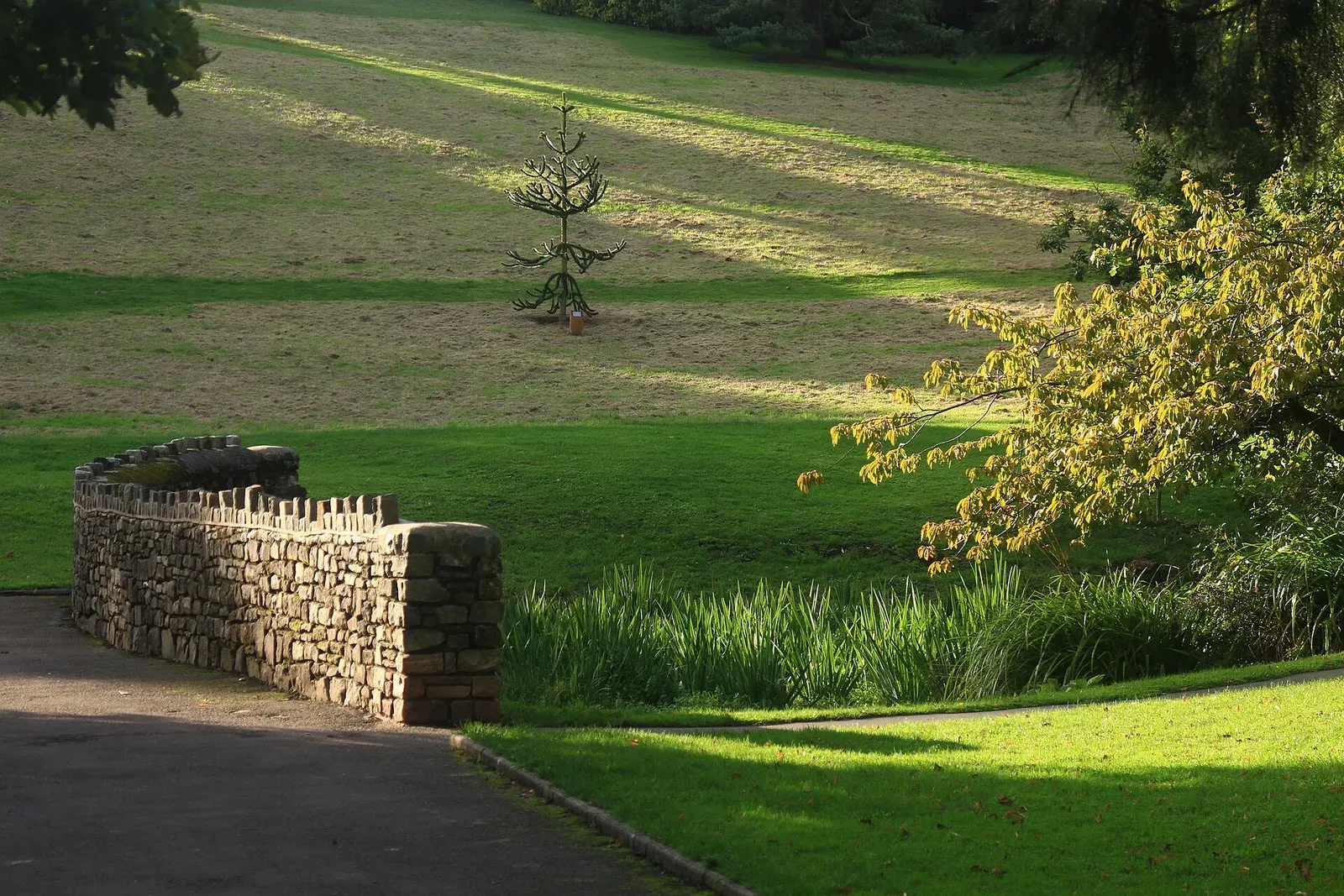
A shadow activity needs only light, a fixed object, and a child willing to look. Use a tree, fence post, stroller, or the child’s own feet. Compare the shadow’s direction, length, edge, and change. Keep children on the ground and leave park equipment where it is.
This article treats shadows as observations. It does not ask children to stare at the sun. The National Park Service recreation guidance is a useful reminder to plan around the place and its conditions.
Start with a shadow hunt
Choose a safe spot and ask the child to find three shadows. A shadow can be attached to a tree, cast by a railing, or made by the child standing on the ground. Ask:
- Which edge looks sharp?
- Which shadow is darker?
- Which one points in a different direction?
- What object might be making it?
Do not ask children to touch hot surfaces or step into planted areas to reach a shadow. A child can point from the path.
Try a body-shadow comparison
Stand in the same spot and make two shapes with your body, such as arms wide and arms close. Notice how the outline changes. Keep the activity brief and away from a shared walking line.
Next, place a toy or water bottle on the ground only if the park allows it and the item can be removed immediately. Otherwise use an existing object. Ask the child to predict whether the shadow will be longer or shorter before checking.
The nature drawing activities page has a shadow-outline option for children who want to record the change.
Return at a different time
A repeat visit can show a different shadow direction or length because the light has changed. Mark the observation with a date and a simple word: long, short, left, right, sharp, or fuzzy.
Avoid presenting this as a precise sundial lesson. The child’s view depends on season, location, cloud cover, and the object itself. If the child asks why, you can say that the light’s position relative to the object changes.
Make room for questions
Ask what the child thinks is inside a shadow. Let the answer be imaginative, then separate it from the observation: “That is our story. What do we actually see?” This distinction lets children invent without confusing a pretend idea with a fact.
A child who dislikes standing can compare shadows from a blanket. A child who needs movement can hop from one safe shadow to another, then freeze to describe it.
Keep eyes and feet safe
Never ask children to look directly at the sun. Stop if the ground is too hot, glare is uncomfortable, or the weather changes. Avoid wet or slippery surfaces. Do not climb, move fixtures, or use playground equipment for experiments.
The Leave No Trace principles also support leaving natural objects and park features undisturbed.
Sources and related reading
- National Park Service, Recreate Responsibly
- National Park Service, Leave No Trace Seven Principles
- Add a record with nature observation activities.
- Keep the route calm with quiet nature activities.
Explore more nature play.