Fall Nature Scavenger Hunt: Colors, Textures and Signs
Plan a look-only fall nature scavenger hunt for ages 3–7 with leaf colors, textures, seeds, shadows and warm-climate substitutions.
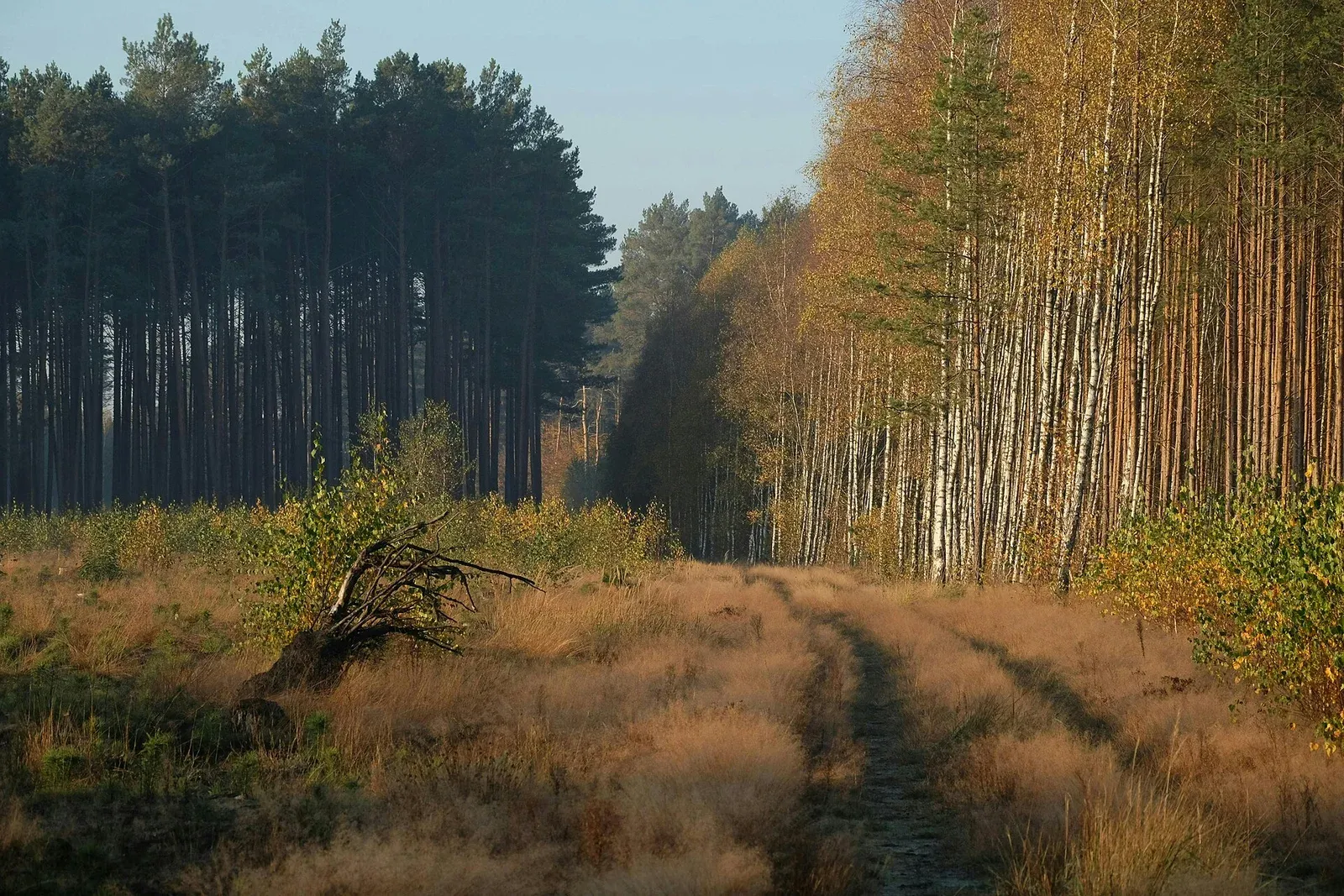
A fall nature scavenger hunt can feel seasonal without asking children to collect anything. Look for two leaf colors, a changing shadow, a seed shape viewed in place, a bare branch, a cooler-looking patch of light, and a sign that an animal may have passed nearby.
The National Park Service phenology guidance uses observations of recurring plant and animal events. Use that idea as a gentle hunt: notice what this park is showing today.
Use six clues
Choose six from this list:
- Two colors on one tree.
- A leaf edge that is smooth, pointed, or lobed.
- A branch with fewer leaves than another.
- A shadow that looks longer than earlier in the visit.
- A seed pod or fallen seed viewed without touching.
- A bird sound or movement.
- A patch of damp ground or a dry patch.
- A question about what may change next.
The child can point, draw, photograph from a permitted place, or dictate a sentence. A clue does not need a scientific name.
Make the route warm-climate friendly
In places where leaves stay green, notice changing light, lower sun, flowering plants, rain, wind, or seasonal bird activity instead. Do not force autumn colors into a park that does not show them.
Use fall leaf observation activities when the child wants to study one tree across multiple visits. Use nature color hunt when you need a simple one-stop version.
Keep the hunt look-only
Many parks prohibit collecting. Even where it is allowed, leaving leaves and seeds in place keeps the activity easy to supervise. Do not rake, break branches, disturb nests, follow tracks, or taste anything.
The National Park Service Leave No Trace principles say to leave natural objects where they are and respect wildlife from a distance.
Keep the hunt flexible
Before leaving, choose five prompts that fit the park’s rules and today’s weather. Use “something yellow,” “a rough-looking surface,” or “a sign that the season is changing” instead of requiring a particular tree or seed. For ages 2–3, the adult can point and the child can match a color. For ages 4–7, invite a sketch or a comparison between two finds while everything stays in place. If a prompt would require picking, climbing, or approaching wildlife, replace it with a look-from-here prompt. A short route with five observations is complete; there is no need to search every corner.
Set a stopping point
Choose a bench, sign, or path intersection as the end of the hunt before starting. When the child has found three or five observations, return there and share a favorite. A short route helps the adult keep the group together and prevents a checklist from pulling children toward water, roads, or closed areas. The family can repeat the same hunt later with different prompts if the child wants another season record.
Sources and related reading
- National Park Service, Exploring Seasonal Changes with Phenology
- National Park Service, Leave No Trace Seven Principles
- Use the broader fall nature activities.
- For a spring version, try spring nature scavenger hunt.
Explore more nature play.