Fall Leaf Observation Activities Without a Leaf Pile
Use fall leaf observation activities for ages 3–7 to compare color, edge, shape and position without making children collect leaves.
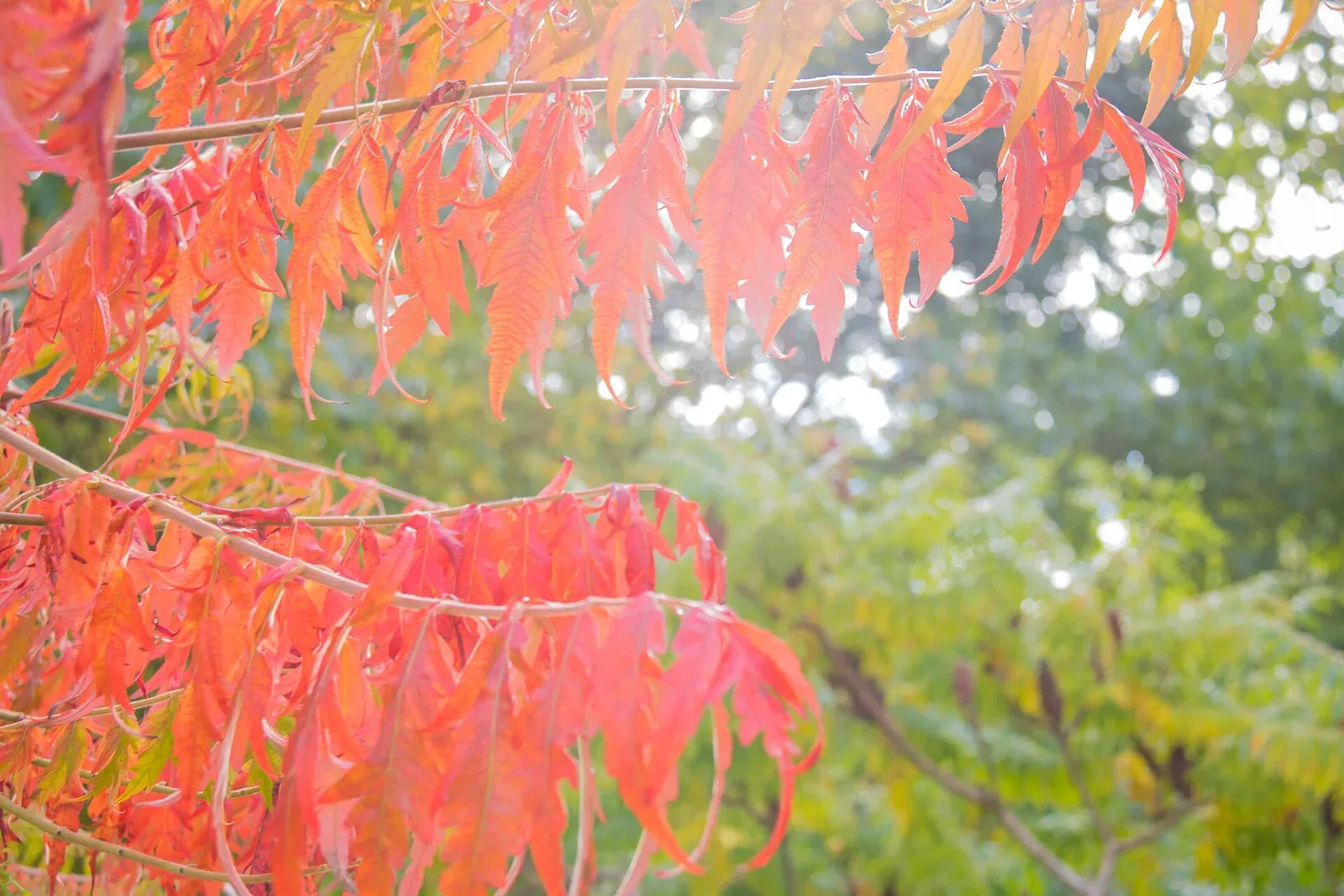
Fall leaf observation is a repeat-visit activity. Choose one tree or path segment and compare what you see on different days: color, leaf position, light, ground cover, and bare branches. The child can point, draw, or dictate a note. A leaf pile is optional and often prohibited.
The National Park Service phenology page describes seasonal events such as leaves changing color. Treat the page as a record of this place and time, not a rule for every tree.
Use four leaf questions
Ask:
- Which colors are visible?
- Are the leaves attached, on the ground, or both?
- What shape or edge can you see?
- What might look different next time?
Look from the path. Do not pull a leaf to show its edge or step into a planting bed. If the park allows touching a fallen leaf, ask first and keep the activity look-only by default.
Make a two-visit record
Write the dates side by side. Draw one leaf outline or a color block for each visit. Add one unchanged detail, such as the tree’s trunk or the path boundary.
A child may say that a leaf “looks tired” or “turned into paper.” Keep the child’s words and separate them from an adult explanation. The nature journal prompts can help.
Distinguish this from a fall hunt
The fall nature scavenger hunt uses a route of seasonal clues, textures, and colors. This article stays with one tree or view and asks how it changes. Choose one format rather than repeating the same checklist.
Keep the tree and ground intact
Do not rake leaves into a pile, break branches, strip bark, or taste seeds. Follow park signs around trees and habitat areas. The Leave No Trace principles recommend leaving natural objects where they are.
Revisit one tree
Choose a tree that can be viewed from a permitted path or bench. At the first visit, describe three words for color, shape, and position, such as “yellow, pointy, high.” Return after several days or weeks and ask the child to find one change and one detail that stayed the same. A spoken note, quick drawing, or date on a family journal is enough. Compare only one word first, then add another if the child wants more; the activity does not need to prove why a change happened or identify the tree. Weather, tree type, and local conditions vary, so record this place and time. Keep feet off planted areas, leave every leaf in place, and change the adult’s position instead of moving a leaf for a better view. In a warm climate, the comparison might show dry ground or a gradual color shift; in a colder climate, it might show bare branches or an early frost. Let the child label any answer “not sure.”
Sources and related reading
- National Park Service, Phenology
- National Park Service, Leave No Trace Seven Principles
- Try leaf observation activities without picking.
- Add a drawing with nature drawing activities.
Explore more nature play.

_-_Colorful_leaves_(23022118929).jpg)