Leaf Observation Activities for Kids Without Picking Leaves
Use leaf observation activities for ages 2–7 to compare shape, edge, color and position while leaving living plants and fallen leaves in place.
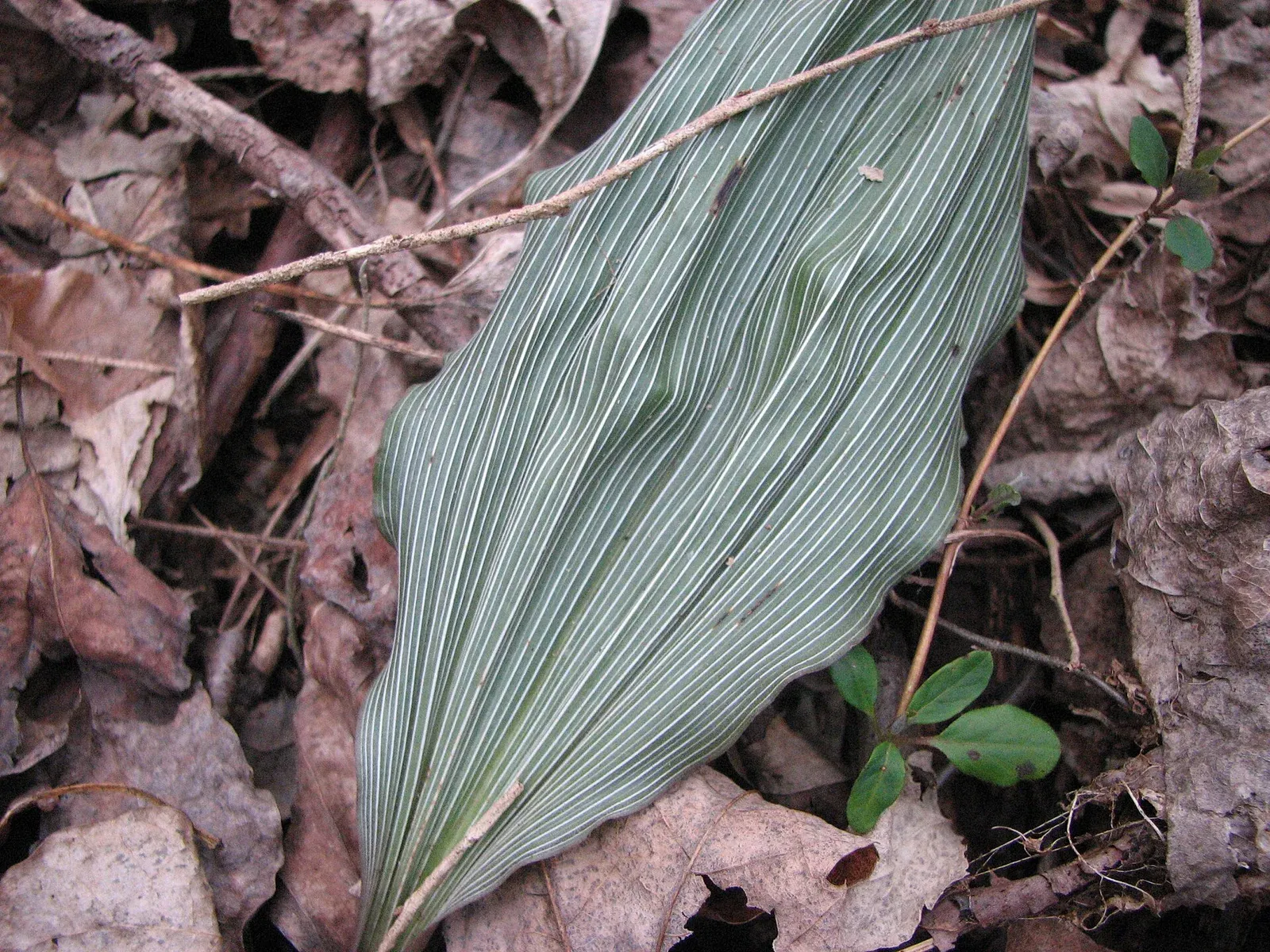
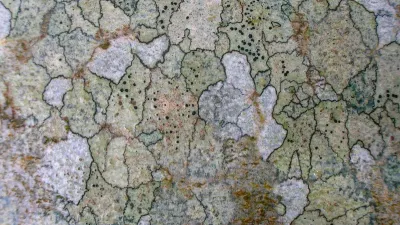
Leaf observation can focus on what children see, not what they take. Compare a leaf still attached to a plant with leaves already on the ground, where the park allows you to look. Notice shape, edge, veins, color, and position. Do not pull a leaf for a better view.
The National Park Service Leave No Trace principles recommend leaving natural objects where they are. Use that rule as part of the activity, especially in parks with restoration areas or no-collection policies.
Start with shape
Ask the child to find a point, a rounded edge, a split, or a long narrow shape. Trace the outline in the air. A child can compare two leaves without touching either one.
For younger children, use simple choices: pointy or round, big or small, one color or more than one. Older children can sketch only the edge and add one question.
The nature shapes hunt gives more practice with outlines in leaves, branches, clouds, and park structures.
Notice the edge and veins
Look for smooth, toothed, wavy, or lobed edges. Follow the visible lines from the center toward the edge. Keep the description tentative if the view is distant or the leaf is damaged.
A child may ask whether two leaves come from the same plant. You can compare visible features without promising an identification. If an adult uses a field guide, treat it as a possibility check.
Compare position and change
Ask whether the leaf is high, low, shaded, sunny, attached, fallen, dry-looking, or wet-looking. On another visit, look at the same plant again. The National Park Service phenology material uses recurring observations to notice seasonal changes.
This article is a general close-look activity. For a fall-specific repeat visit, use fall leaf observation activities, which uses color change and seasonal timing as the main task.
Add a record without collecting
Make a quick drawing, take a permitted photo, or write three describing words. A child can make a color tally from the path. Do not use a leaf collection as the measure of success.
If the child wants touch, ask the park rules and choose an already detached object only when collection is clearly allowed. Look-only is the default.
Compare a leaf view with a tree view
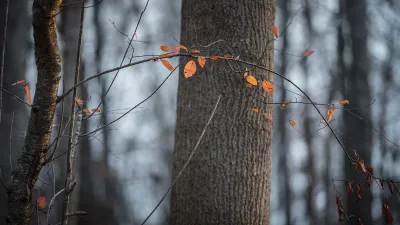
Start by looking at one leaf or group of leaves without touching. Describe its outline, color, and position on the tree. Then step back and ask how the same details look when the whole tree is visible. A toddler can point to a color; an older child can draw the close view and the wide view side by side. If a leaf is already on the ground, leave it where it is unless the park’s rules clearly allow handling and the adult decides it is appropriate. Do not pick living leaves or enter planted beds. A dated drawing can support a later seasonal comparison.
Sources and related reading
- National Park Service, Leave No Trace Seven Principles
- National Park Service, Exploring Seasonal Changes with Phenology
- Use the seasonal version at fall leaf observation activities.
- Extend the drawing with nature journal prompts.
Explore more nature play.