Tree Observation Activities for Kids in Any Season
Use tree observation activities for ages 3–7 to compare bark, branches, canopy and seasonal change without climbing or damaging a tree.
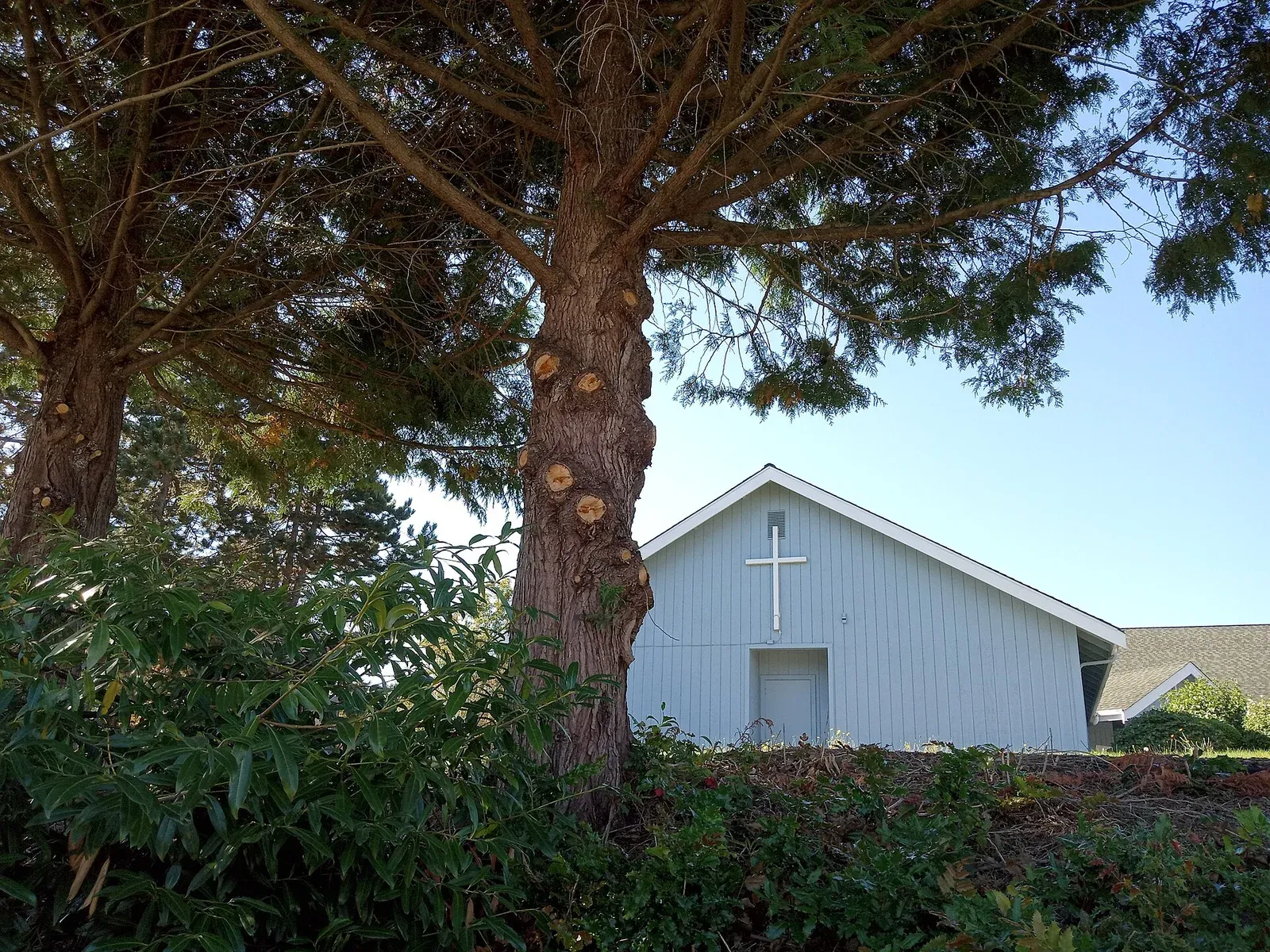
A tree can be a whole nature lesson without a name tag. Choose one tree the park allows you to approach, then study its bark, branching, canopy, shade, and nearby ground. Keep feet on the ground and leave bark, leaves, nests, and growing plants undisturbed.
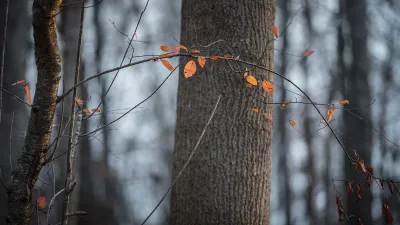
The National Park Service phenology lesson uses observation walks to notice changes over time. A family can make a smaller version by returning to one tree in different seasons.
Try a five-part tree study
Look up. Describe the branching pattern. Does the tree split low or high? Are the branches spreading, layered, or mostly hidden?
Look down. Compare the tree’s shade with the nearby light. Notice the ground without moving leaves or soil.
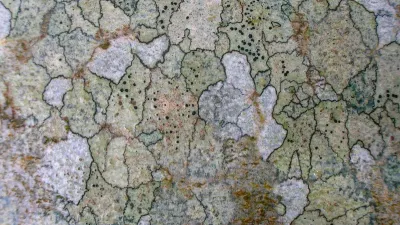
Look close. Examine bark lines from a respectful distance. Do not peel, scratch, or rub the trunk.
Look around. Notice what is beside the tree: grass, pavement, other plants, open space, or a path. Do not enter planted areas to get closer.
Look again. Ask what might look different next time. A child can draw one branch, mark the shade, or dictate a question.
Make it a repeat visit
Write the date and a short description such as “wide tree, rough trunk, shade on the path.” Return after a few weeks if the child asks. Compare leaf cover, light, fallen material, or nearby activity.
The National Park Service explains phenology as the study of recurring life-cycle events tied to seasons. A child’s record is an observation, not a claim about every tree in the park.
Use nature journal prompts if the child needs help finding words.
Add a movement option
A child who wants to move can walk a slow circle around the adult’s chosen boundary, stopping at four points to name one detail. A younger child can hug the air around the tree without touching it. An older child can count visible branch directions.
Do not invite climbing, hanging, or throwing objects into branches. A tree study should leave the tree exactly as it was.
Respect the park and wildlife
Keep away from nests, holes, and animals. If a tree is marked closed or protected, observe from the path. The Leave No Trace principles recommend leaving natural objects and giving wildlife space.
Use a tree-view sequence
Look from the base area without touching bark, then look up at the branches, and finally step back to see the whole outline. Ask the child to choose one detail from each view. A younger child can point to a line or color; an older child can record whether the detail was near the ground, in the middle, or overhead. Do not climb, lean on a tree, break a twig, or enter a planting area. If the tree is fenced or marked for protection, observe from outside the boundary. A repeat visit can compare the same three views without requiring a particular seasonal change.
Sources and related reading
- National Park Service, Exploring Seasonal Changes with Phenology
- National Park Service, Phenology
- Compare seasonal clues with spring nature activities.
- Use nature drawing activities for a quiet record.
Explore more nature play.