Best Kids Nature Journal: Choose Pages That Invite Observation
A researched guide to kids’ nature journals, comparing blank and prompted pages, paper, size, seasonality and whether a plain notebook works.
This is a researched comparison, not a field-tested ranking. Choose a prompted activity book when a child needs ideas, a tree-focused book when one habitat holds attention, or a plain notebook when the goal is to record the child’s own questions. For ages 3–7, page access and adult help matter more than a branded cover.
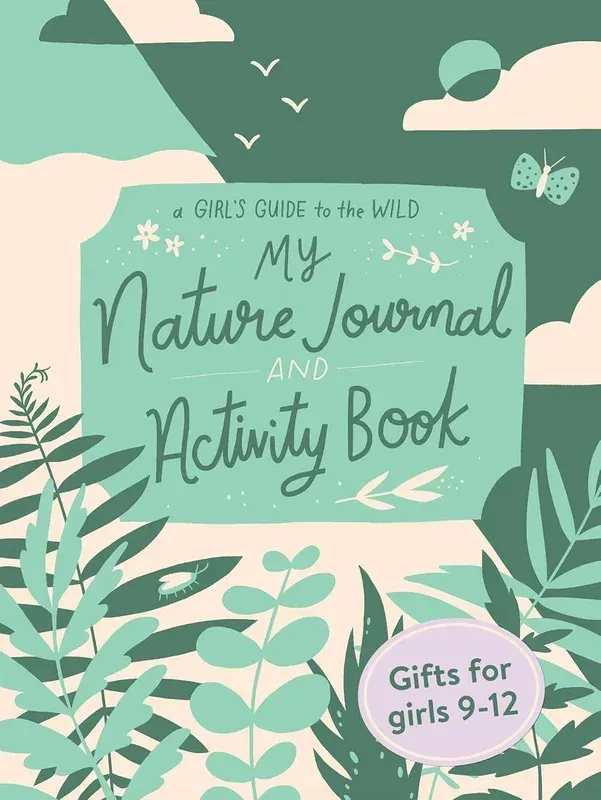
For ages 4–7, Backpack Explorer: Discovering Trees is the clearest fit among the researched products. The listing describes 12 interactive tree field guides, 50 stickers, six outdoor games, three sensory scavenger hunts, a real magnifying glass, and a pull-out journal. It is listed for ages 4 and up. For an older child, My Nature Journal and Activity Book offers seasonal sections, packing lists, scavenger hunts, sketching, open-ended prompts, poetry, weather logs, and creature, bird, and bug counts; its listing gives a reading age of 9–12.
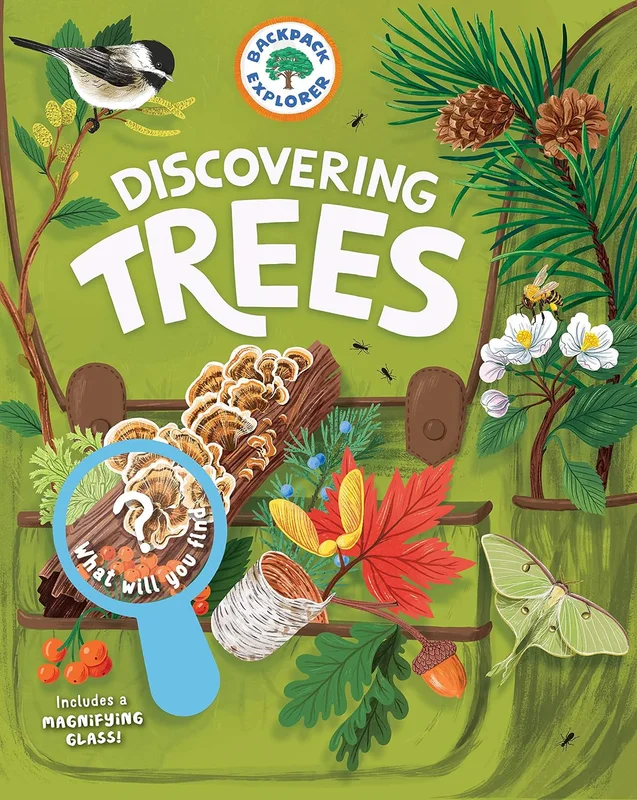
Backpack Explorer: Discovering Trees
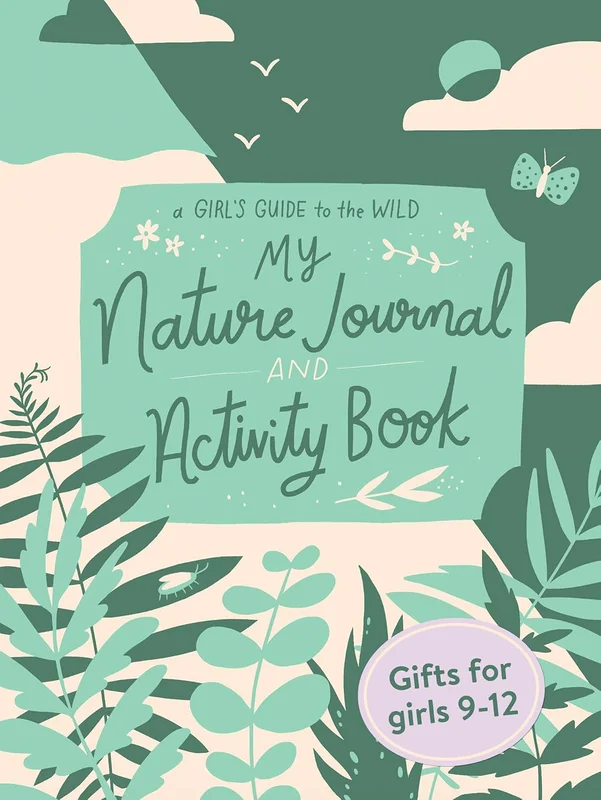
My Nature Journal and Activity Book
Compare the page styles
| Format | Choose it when | Supported product option | Limit to plan around |
|---|---|---|---|
| Tree activity journal | A child age 4+ wants a guided outdoor task | Backpack Explorer: Discovering Trees; 12 field guides, six games, three sensory hunts, stickers, magnifier, and pull-out journal | It centers on trees, so a child focused on birds or insects may outgrow the theme |
| Seasonal activity journal | An older child wants recurring prompts and logs | My Nature Journal and Activity Book; seasonal organization, activities, prompts, and weather or creature logs | Listed reading age 9–12; use it as an adult-led source for ages 3–7 |
| Plain notebook | A child wants to draw, dictate, map, or ask questions | Any notebook already at home | The adult supplies prompts and keeps observations organized |
Choose Backpack Explorer when the child enjoys a page that tells them what to notice next. Its tree focus can turn one familiar park into a repeat route: compare bark, look at leaves, and record what changed. The built-in magnifier and journal make it a hands-on activity book, not a blank diary.
Choose My Nature Journal for an older sibling, homeschool setting, or adult-led family project. Its listed 208 pages and seasonal structure support a longer record, but the 9–12 reading guidance sets a clear limit. A preschooler can dictate an answer while an adult turns pages; independent use is a different expectation.
Check what the child will carry
A journal earns its place when the child can open it, make a mark, and put it away without losing the rest of the walk. Test the book on a bench before carrying it around the park. If the pages demand more reading than the child wants, bring a plain notebook and one prompt.
The nature journal starter guide gives short prompts that work with any paper. The nature journal prompts guide adds questions for children who need a starting point.
Use records to support noticing
Write the date, place, weather, and one visible detail. Let the child draw a leaf without picking it. If an adult supplies a plant or bird name, mark it as a possible identification. A journal can contain a question or a pretend story when the label makes that clear.
For a tree-centered activity, use the Backpack Explorer book’s prompts as invitations. Its listed real magnifying glass is a reason to inspect safe, stationary surfaces, not permission to touch nests, irritants, or unknown material. Keep the book closed when the child needs to watch a moving bird.
Borrow before buying
Borrow a specialty journal or use a school notebook for one week. Notice whether the child returns to the same page type, asks for a seasonal prompt, or prefers free drawing. Buy the format that matches that habit. Product details were checked against current Amazon listings and publisher information on 2026-09-12; editions, availability, age labels, and specifications can change. The products above were not field-tested by this site.