Insect Observation for Kids: Watch Without Chasing
Plan a gentle insect observation activity for ages 3–7 using distance, time and habitat clues, with clear no-touch and release boundaries.
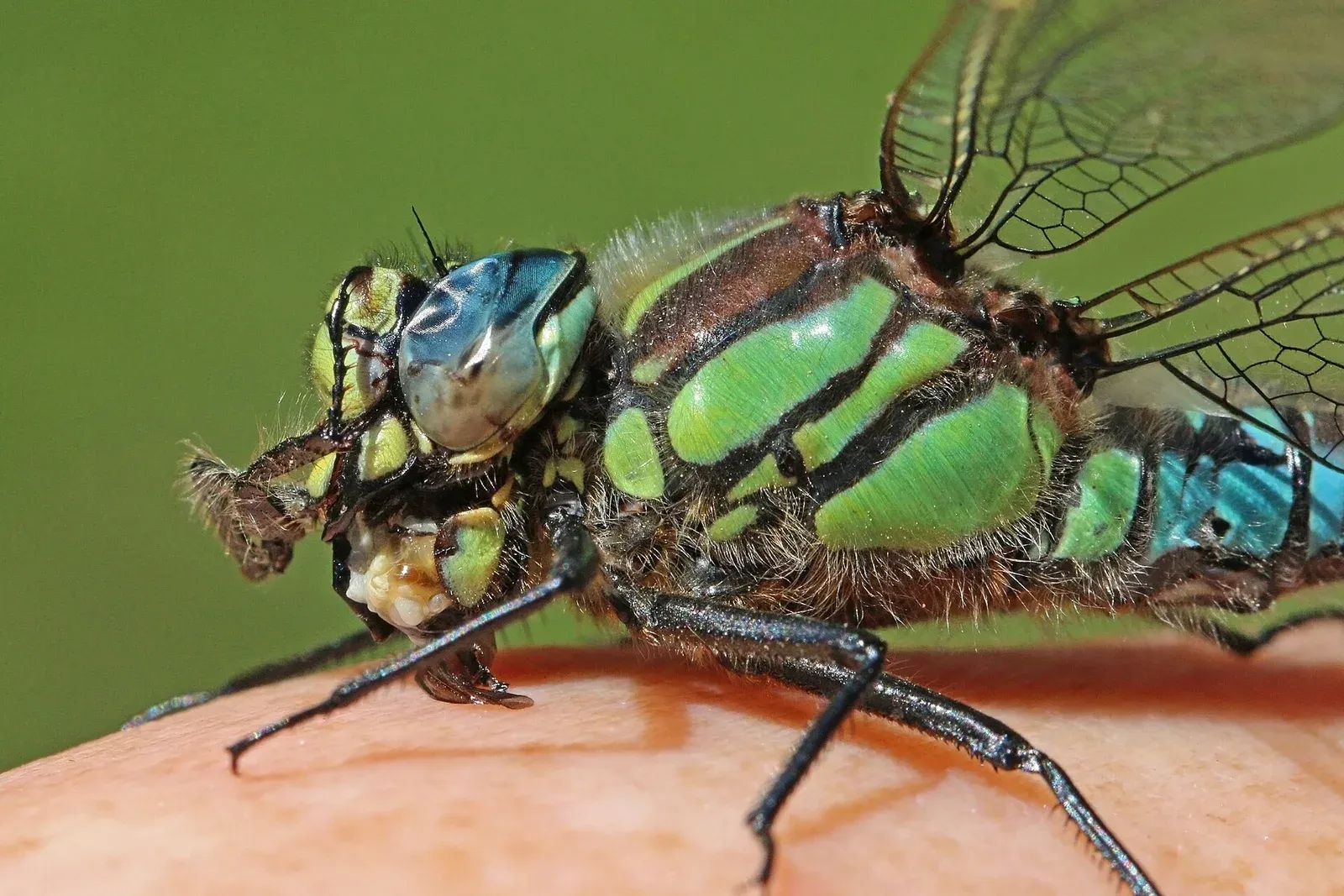
Insect observation is easiest when children watch a small area instead of chasing a moving bug. Choose a place where the park allows you to stand, set a short viewing time, and describe movement, color, size, and surroundings. Leave the insect alone if it changes direction or disappears.
The National Park Service says to respect wildlife from a distance. That principle applies to small animals too. A close look should not require touching, trapping, or moving the insect.
Choose a still observation spot
A sunny patch beside a path, a tree edge, or a flower viewed from outside a planting bed can work. Avoid stepping into tall grass, disturbing logs, or reaching under rocks. If the child cannot stay near the adult, choose another activity.
Give the child a one-minute job: watch one insect or one small area. Use a hand signal when the insect moves so the adult can see without everyone rushing.
Ask four observation questions
- How does it move: crawl, hop, fly, pause, or circle?
- What colors or patterns are visible?
- Where is it: leaf, flower, soil, air, or pavement?
- What happens when it stops?
Do not promise an identification from color alone. A child can record “tiny black insect on a leaf” and still make a good observation.
The nature color hunt provides a look-only way to notice colors when insects are not visible.
Decide whether a viewer is needed
A child can watch an insect with bare eyes. A magnifier or bug viewer is optional and should never become a reason to capture something. If a family uses a viewing container, follow the manufacturer instructions, keep the viewing brief, provide the required ventilation, and release the insect where it was found.
For most park visits, observing in place is simpler. The bug viewer buying guide explains the tradeoffs when a family is considering a tool.
End kindly
Stop if the insect is hiding, the child wants to poke it, or the area becomes crowded. Never handle stinging insects, caterpillars, spiders, or an unknown animal. Do not taste plants or use food to attract bugs.
A child can finish by drawing the movement or asking where the insect might go next. The nature journal prompts offer questions that do not require a species name.
Try a short insect watch
Pick a place where the group can stand without entering a garden bed or tall grass. Watch one small area for two minutes and count movement words rather than insects: crawling, flying, resting, hiding, or changing direction. If an insect leaves, let it go; do not follow, touch, trap, or block it. A child can make a dot for each movement in a notebook, then compare the first and last minute. For ages 2–3, simply point and name colors. For ages 4–7, ask whether the insect stayed on a plant, soil, or air. Leave flowers, webs, logs, and shelters as found.
Sources and related reading
- National Park Service, Leave No Trace Seven Principles
- National Park Service, Recreate Responsibly
- Compare tools carefully in best bug catcher kit for kids.
- Use nature activities for preschoolers for a simpler invitation.
Explore more nature play.