Flower Observation Activities for Kids: Look, Don’t Pick
Try flower observation activities for ages 3–7 using color, shape, change and pollinator distance without picking, touching or tasting plants.
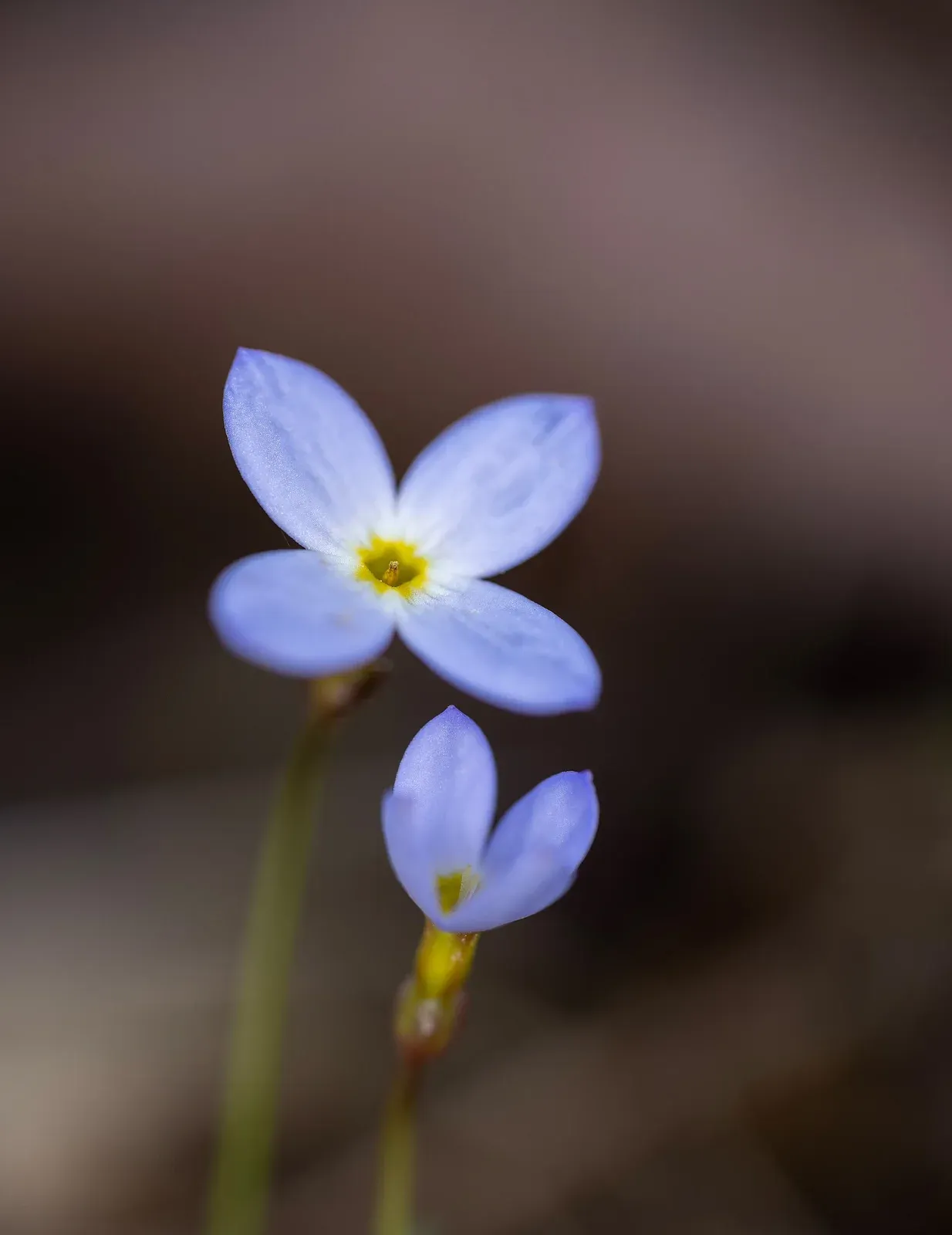
Flowers invite close looking, but the safest family activity is to watch them in place. Compare color, shape, height, position, and change. If an insect visits, observe from a distance and let it leave. Never ask children to taste an unknown plant.
The National Park Service Leave No Trace guidance supports leaving plants and other natural objects where they are. Check the park’s posted rules before approaching a planting bed or natural area.
Use a flower-viewing frame
Choose a flower or patch visible from the path. Make a small frame with your hands, then ask the child to describe what fits inside. This keeps feet out of planted areas and helps the child focus on one view.
Try these prompts:
- Which color appears first?
- Are the petals open, closed, or partly open?
- What lines repeat?
- Is the flower above, beside, or below the leaves?
- What changes when a cloud passes?
A child can answer by pointing, drawing, or choosing two words.
Observe visitors without chasing
If a bee, butterfly, or other insect arrives, keep hands still and watch the movement. Do not touch the insect, block its path, or move toward it. The child can say whether it lands, circles, pauses, or leaves.
Avoid declaring what the insect is doing unless the evidence is clear. “It landed on the flower” is enough. The nature observation routine explains how to keep questions open.
Compare flowers without claiming a name
Two flowers can look different because of age, light, variety, or distance. Compare visible features and use “looks like” when a name is uncertain. A regional guide may help an adult later, but a child’s observation does not need a species label.
For a seasonal focus, use spring nature activities or the fall nature activities guide.
End before the plant becomes a target
If a child wants to pick, redirect to a drawing or photograph. Do not pull flowers, break stems, dig, or taste berries. Leave the area if the child cannot stay outside the planting boundary.
Observe one flower without touching it
Choose a flower that can be viewed from the path and keep the child’s hands behind the boundary. Start with overall color and shape, then look for the number of visible petals, lines, or insects nearby. Ask which details are easy to see and which require standing farther back. A young child can point to the brightest part; an older child can make a simple drawing with a date and location. Avoid leaning into beds, stepping on soil, or moving a flower for a better angle. A photograph is optional and should follow park rules. The same prompts work for a tree blossom, wildflower, or planted flower without assuming they are the same species.
Sources and related reading
- National Park Service, Leave No Trace Seven Principles
- National Park Service, Recreate Responsibly
- Continue with nature activities without collecting.
- Use nature drawing activities for a quiet response.
Explore more nature play.