Outdoor Nature Activities for Kids at an Ordinary Park
Choose outdoor nature activities for ages 2–7 by time, space and energy, from sound walks to seasonal observation and temporary art.
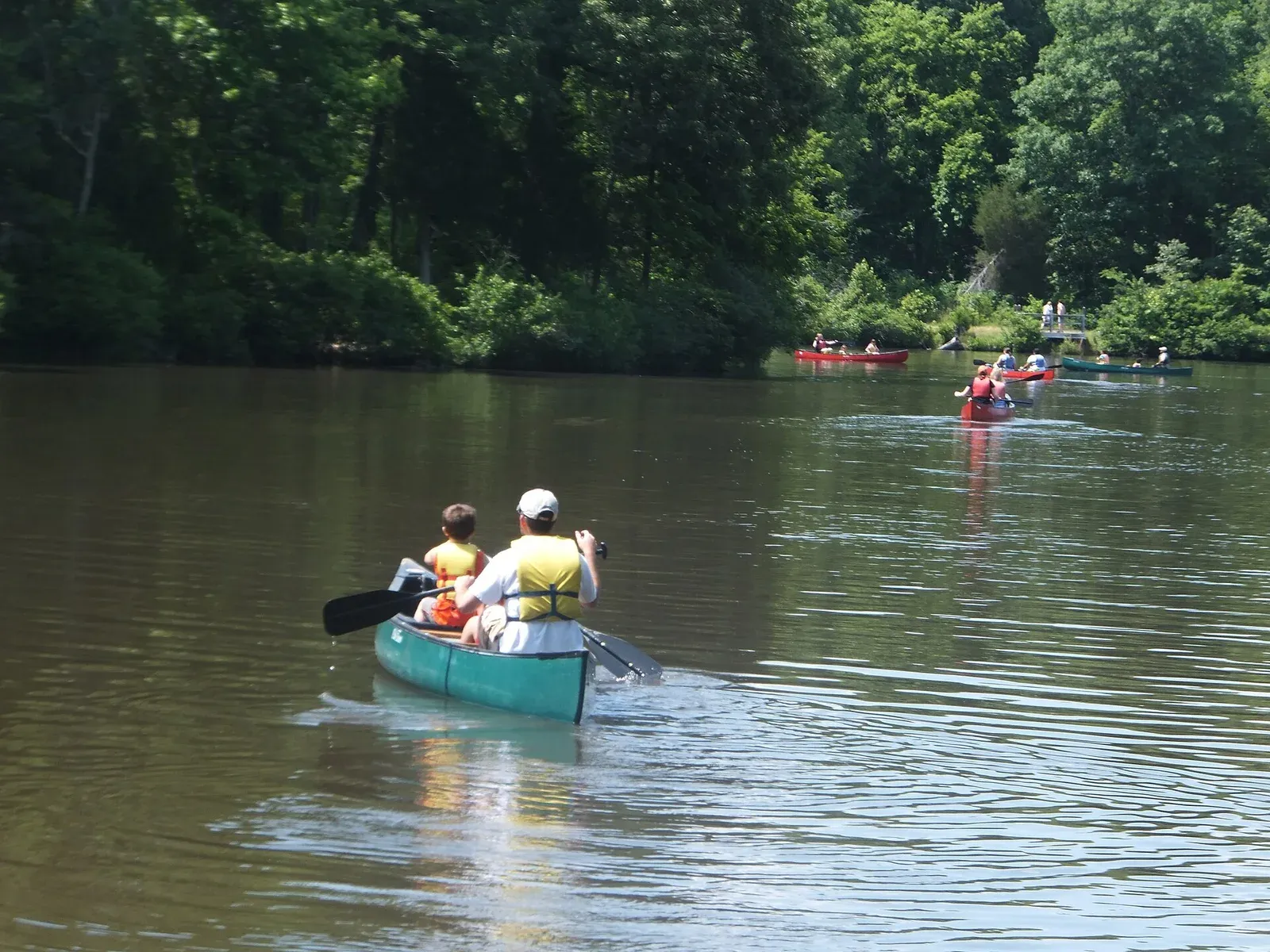
You do not need a wild trail or a full afternoon for nature play. An ordinary park can offer a tree, a patch of grass, a few clouds, birdsong, shadows, and changing weather. Choose one activity that fits the time you have, then stop while the child is still curious.
The National Park Service describes phenology as observing recurring changes in plants and animals. That idea scales down well for young children: look for what is here today and what may look different next time.
If you have 10 minutes
Choose a close-look activity. Stand or sit near one tree and ask the child to find three lines, two colors, and one moving thing. You can do the same with a low wall, a garden edge, or the view from a bench.
A sound pause also works. Stay still for 30 seconds, then name sounds as near, far, loud, soft, repeated, or surprising. Do not call out to birds or copy their sounds. The goal is to notice without changing what the animals are doing.
For very young children, offer a choice between pointing and touching an adult-approved surface. Never make touching a requirement. A child can participate fully by looking and talking.
If you have 20 minutes
Try a nature walk with three stopping points:
- Color stop: find two shades without collecting anything.
- Shape stop: look for circles, arcs, or branching lines.
- Change stop: notice something that is wet, dry, open, closed, growing, or fallen.
Use the nature scavenger hunt for more clue ideas, or keep the route open and let the child choose the next stop. Ask one follow-up question at each point. “What makes that different?” is more useful than asking for the name of everything.
If you have 30 minutes
Combine movement and quiet work. Walk a short loop, pause at one tree or planting bed, and give the child five minutes to draw, dictate, or arrange words about what they saw. Then walk back using a different observation rule.
You can make the second half seasonal. In spring, look for buds or birdsong. In summer, compare shade and sun. In fall, compare leaf colors without pulling leaves. In winter, look for tracks, bare branches, or evergreen shapes. The National Park Service phenology resources offer a useful model for recording changes over repeated visits.
Let the activity fit the child
A child who needs movement can walk between observation points and freeze to look. A child who wants quiet can sit with a notebook. A child who is unsure can copy the adult’s observation: “I see a tiny hole in this leaf.” No one has to produce a correct scientific answer.
For a mixed-age group, assign different jobs. One child spots colors, another listens, and another draws. Rotate jobs if the children want to.
Use simple boundaries
Check posted park rules, stay on paths where requested, and keep away from water edges unless an adult has chosen a safe viewing place. The National Park Service’s recreation guidance is a useful reminder to plan for the place you are visiting.
Do not feed animals, chase insects, pull flowers, taste plants, or handle nests. Nature play can be active and imaginative while still leaving the park undisturbed.
Sources and related reading
- National Park Service, Exploring Seasonal Changes with Phenology
- National Park Service, Recreate Responsibly
- Build a calmer outing with quiet nature activities.
- Start with one subject in nature observation activities.
Explore more nature play.

.jpg)