Nature Scavenger Hunt for Kids: A Park Guide
Plan a low-impact nature scavenger hunt for ages 2–7 with picture clues, observation prompts, park-ready rules and easy variations.
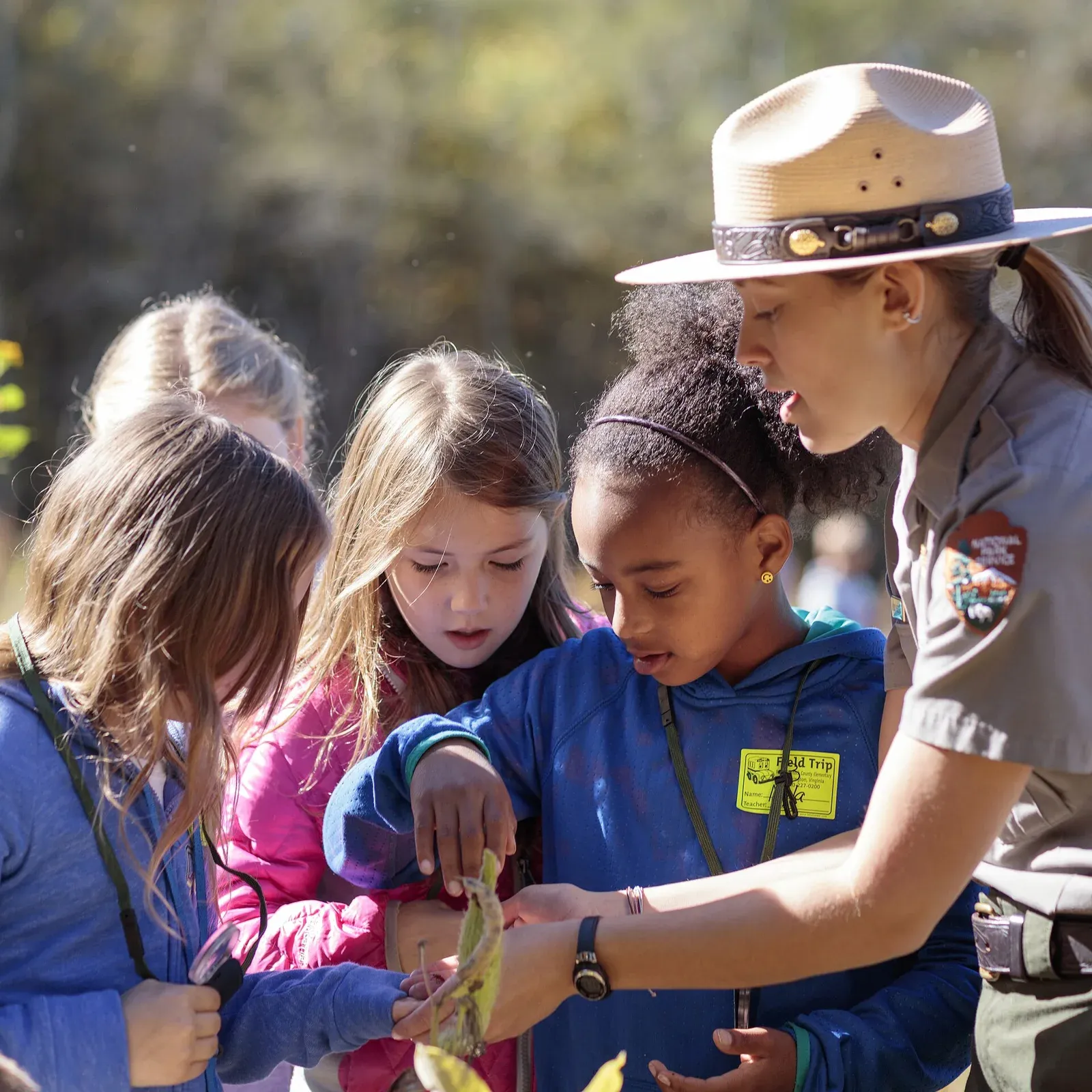
A nature scavenger hunt works best when children look closely instead of racing to collect the most objects. Choose six to eight things to notice, such as a rough tree trunk, a yellow leaf, a bird sound, a shadow, or a place where an insect could hide. The goal is to point, describe, sketch, or photograph each find while leaving the park as you found it.
The National Park Service Leave No Trace principles say to leave rocks, plants, and other natural objects where they are, and to respect wildlife from a distance. That gives this game a simple rule: notice it, name what you see, and leave it in place.
Set up a hunt that fits your park
Pick a short route with a clear stopping point. A loop around one lawn, a paved path beside trees, or a bench near a planting bed can be enough. Check posted rules first. Some parks prohibit collecting, stepping into planting beds, or approaching water. The National Park Service recreation guidance is a useful reminder to plan for the place, respect other visitors, and change the activity when conditions or rules require it.
Use clues that depend on observation rather than expert identification:
- Something that is smooth and something that is rough.
- A leaf with a point and a leaf with a rounded edge.
- Two different kinds of shadows.
- A bird sound, even if you cannot see the bird.
- A place that looks damp and a place that looks dry.
- A line, spiral, spot, or repeating pattern.
- Evidence that an animal passed through, such as a track or nibbled leaf.
For children ages two to four, show one picture or demonstrate each idea. Older children can carry a small notebook and record a word or quick sketch. No one needs to know the species name to complete a clue.
Play in observation rounds
Start with one minute of looking before anyone moves. Ask, “What do you notice?” Accept color, shape, sound, location, and texture as answers. Then walk to the next stopping point together.
When a child finds a clue, ask for one detail: “What makes you call that rough?” or “Where did you hear the sound?” This keeps the hunt from becoming a race. If the group gets excited, use a quiet signal such as a raised hand and pause beside the path.
For a 15-minute visit, use three clues. For 30 minutes, use six to eight. Keep one clue open-ended, such as “Find something that makes you wonder.” The open clue often creates better conversation than a long checklist.
This structure also pairs well with the nature observation routine because both ask children to slow down, notice, and describe before guessing.
Adapt the hunt for different children
A child who does not want to walk can hunt from a blanket or bench. Point toward a tree line and invite the child to find three colors or two moving things. A child who loves movement can walk between marked stopping points, then freeze to observe.
For siblings of different ages, give each child a different job. The younger child points, the older child sketches, and the adult keeps the route safe. Let children swap roles halfway through.
If the park is busy, use a “look only” version. If the weather is tiring, make the hunt about one tree or one patch of ground. A small hunt still counts when the child leaves with a new detail noticed.
Keep wildlife and plants undisturbed
Do not turn a clue into permission to touch nests, chase insects, feed animals, or taste a plant. The National Park Service recommends observing wildlife from a distance and leaving natural objects where they are. Follow the specific park’s rules even when a general activity suggests something else.
End with a return question: “What did you notice that you had not expected?” That answer is the part worth carrying home.
Sources and related reading
- National Park Service, Leave No Trace Seven Principles
- Try a nature walk with four ways to slow down.
- Continue with nature activities for preschoolers.
Explore more nature play.
.jpg)