DIY vs. Store-Bought Nature Kit for Kids: A Park Decision Guide
Compare a homemade nature kit with a packaged set for ages 3–7 by repeat use, storage, tool overlap, supervision and park rules.
This is a researched comparison, not a field-tested product ranking. A DIY nature kit works when the adult wants a flexible, low-carry activity. A store-bought kit works when the child repeatedly asks for a specific tool. Start with a pencil, notebook, and clear park boundary before buying a collection.
See what each route solves
| Route | Choose it when | What it gives you | Limit to plan around |
|---|---|---|---|
| DIY notebook kit | You already have a pencil, notebook, small cloth bag, and an adult-approved close-look tool | Flexible prompts, easy replacement, and only the pieces the walk needs | The adult creates the activity and checks every container or tool |
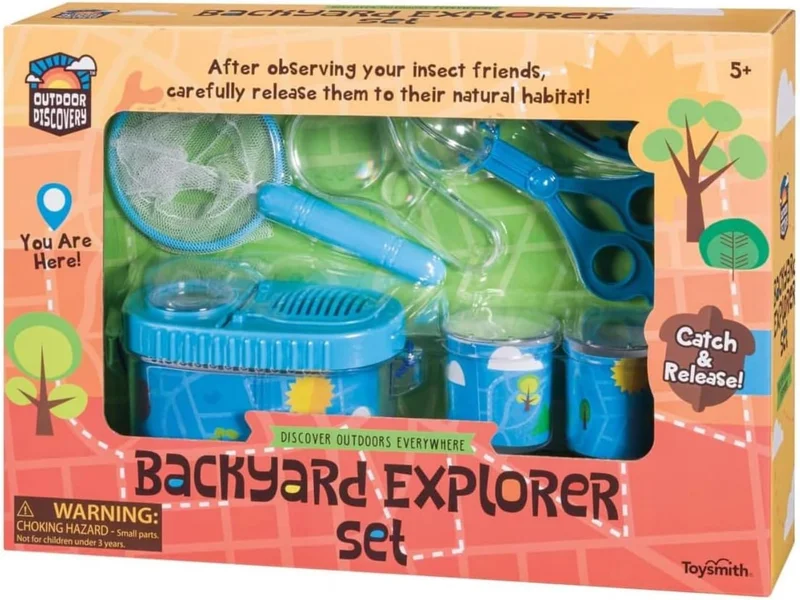
| Toysmith Nature Explorer Set | An age 5+ child wants several kinds of observation | Model 6021; seven tools, including a bug-viewing jar, magnifier, nets, and handling tools; Toysmith lists ages 5+ on its product page | More pieces can add carrying, sorting, cleaning, and supervision |
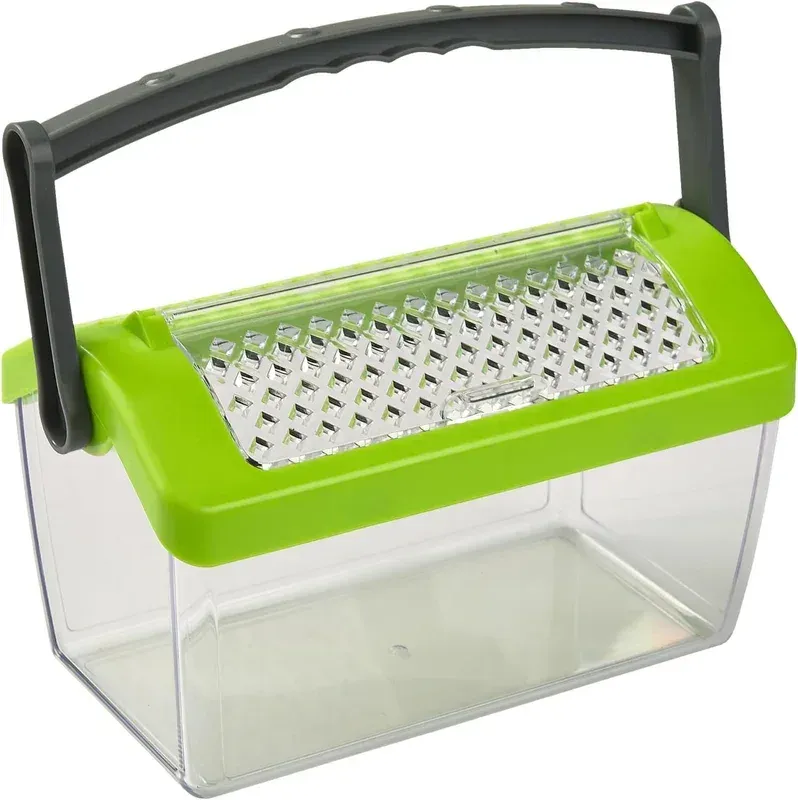
| HABA Terra Kids Insect Box | An age 6+ child wants one insect-focused habitat | Carry handle, air holes in the lid, and a tight locking top | It does not replace a notebook or support bird viewing |
| Learning Resources Magnifier & Tweezers | An age 3+ child wants a stationary close look | LER2777; 4.5x magnifier, built-in stand, 6-inch tweezers, washable plastic, and no batteries from Learning Resources | Tweezers are optional; they do not justify collecting living material |
Toysmith Nature Explorer Set
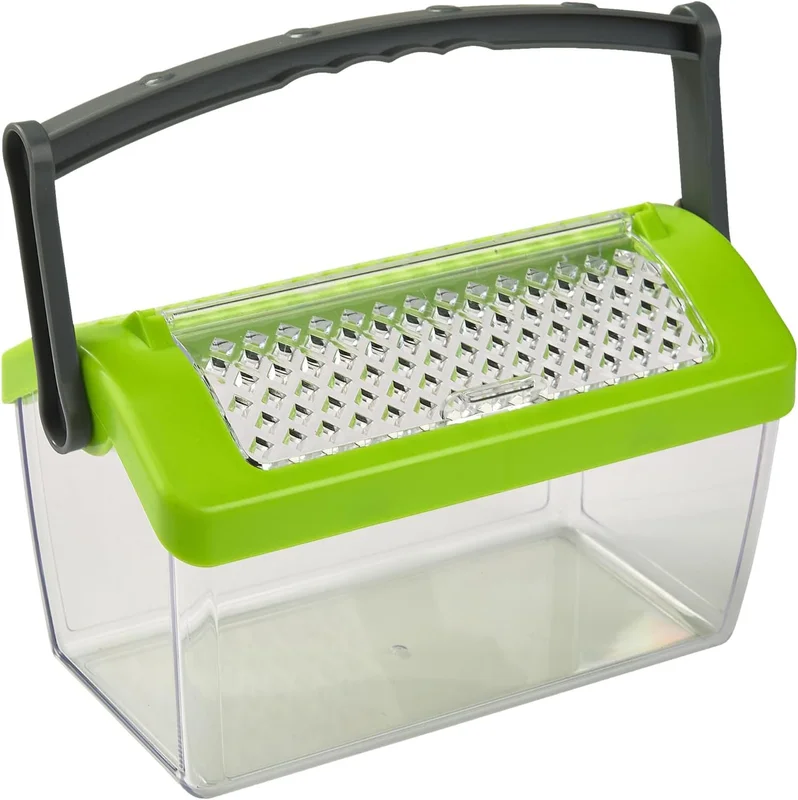
HABA Terra Kids Insect Box
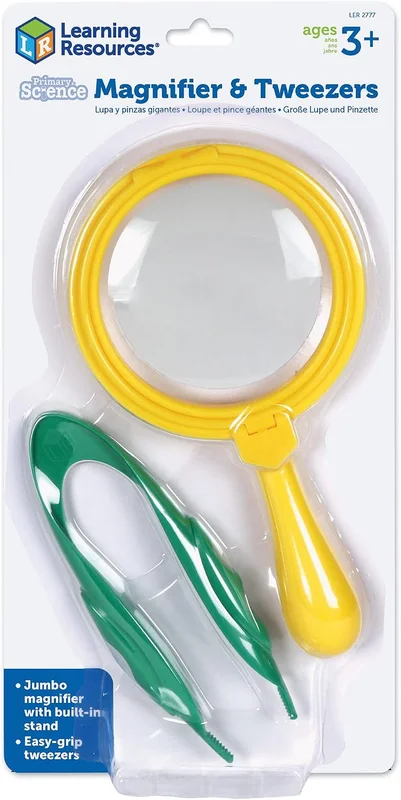
Learning Resources Magnifier & Tweezers
The DIY route is the better first test when the child’s interest is still broad. A notebook can record a leaf shape, bird sound, or question without deciding whether to capture anything. Add one tool only after the same observation problem returns.
Choose a packaged kit for repeat use
Choose the Toysmith set when the child moves between bug, leaf, and texture questions and will use several pieces. The manufacturer’s seven-tool description supports that broad role. The set earns space when the adult can keep its pieces together and leave unused tools behind.
Choose HABA when the child wants a contained insect activity and is within its listed 6+ age range. Its handle, lid, and air holes address carrying and viewing. They do not turn the habitat into a place to keep an animal. Set a short timer and release the subject where it was found.
Choose the Learning Resources magnifier when the child is younger or prefers a bench-based close look. Its stand can reduce hand fatigue, while the tweezers can remain stored. This is a more focused purchase than a multi-tool kit.
Build a DIY kit that stays small
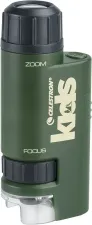
Pack a notebook, pencil, and one reusable bag. Add a hand lens only if the park allows close observation and the adult can prevent pointing it at the sun. Use a simple card with “color, shape, sound, place” rather than collecting specimens. For birds, add a library book or adult’s phone reference without handing a device to the child.
A DIY kit also makes the activity easy to change. The nature observation activities guide offers prompts for a walk with no special gear. If a child later asks for binoculars, compare fit in the best binoculars guide.
Apply the same boundary to both routes
Packaged tools do not replace park rules. Do not pick living plants, disturb nests, handle unknown animals, or enter closed habitat. If capture is prohibited, use a notebook and hand lens. If a tool becomes a reason to chase, put it away.
Product details were checked against current Amazon listings and manufacturer pages on 2026-09-12; availability, age labels, and specifications can change. The products above were not field-tested by this site.