Cold-Weather Park Outing Prep: Layers, Dry Gear, and a Short Exit
Prepare a practical cold-weather park visit for toddlers and preschoolers with layers, dry backup clothes, and a clear exit.
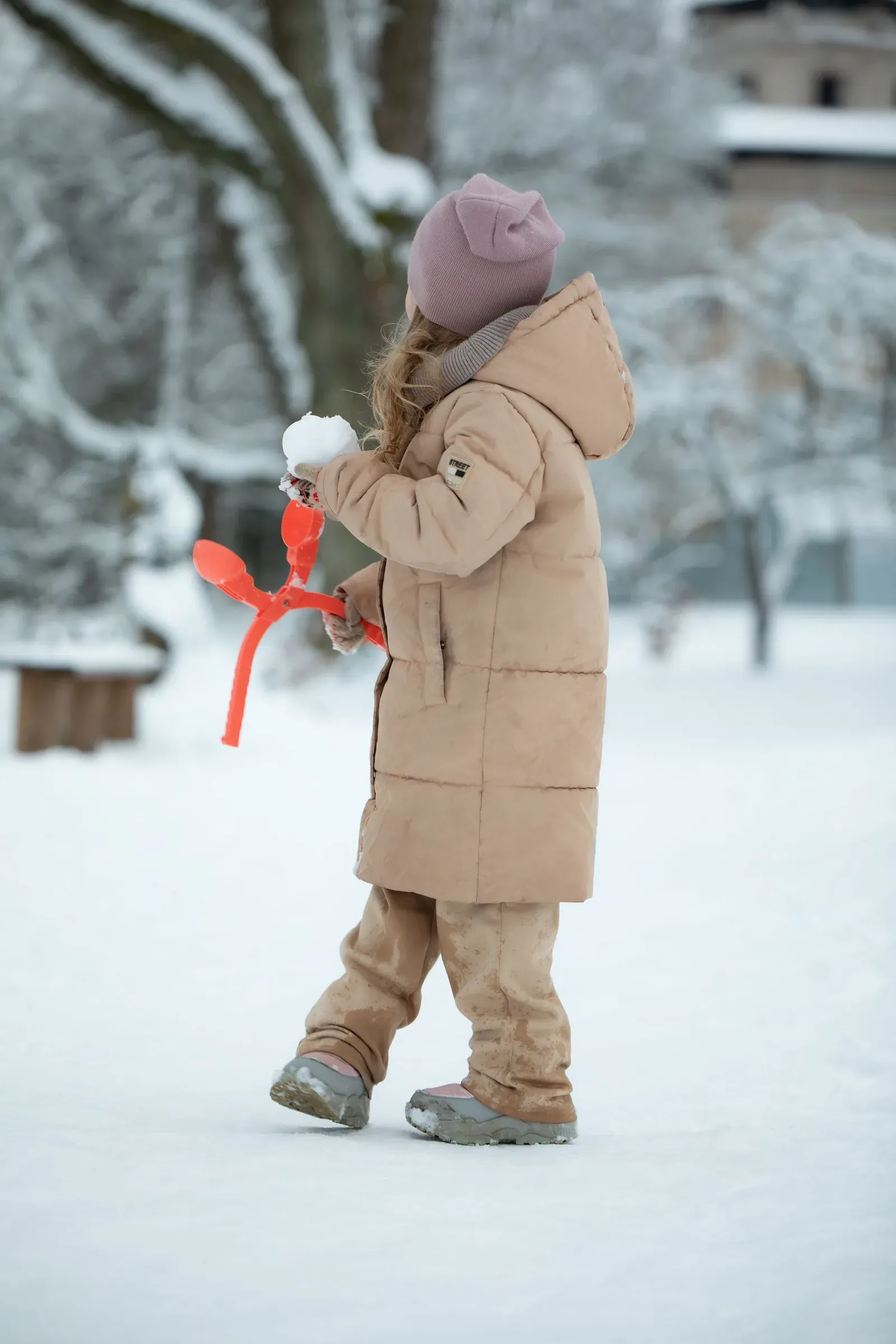
A cold-weather park trip is easier when children stay dry and the family can leave quickly. Plan a shorter visit, layer clothing for movement, and pack one dry backup for the child most likely to sit or play on wet ground.
Check the forecast for wind, precipitation, and the temperature along the actual outing time. The National Weather Service cold-weather safety guidance explains cold stress and signs that require action. Use local alerts and your child’s health guidance when deciding whether to go.
Dress for movement and pauses
Start with a comfortable base layer, add warmth, and use an outer layer that handles the forecast. Avoid dressing so heavily that a child cannot climb, walk, or use the bathroom. Bring a hat, socks, and gloves or mittens that fit the activity.
Pack a dry layer for the child who may:
- Sit on wet grass
- Spill a drink
- Step into a puddle
- Sweat during active play and then cool down
Keep the backup in a waterproof bag. A spare shirt and socks can rescue a short trip; a longer outing may need a complete change.
Choose a route with a quick exit
Park near a warm vehicle, indoor restroom, or transit stop when possible. Tell the children where the visit ends and keep the route visible. A cold day is a poor time to discover that the walk home is longer than expected.
Bring warm water or a drink in a container that is easy to open. Add a familiar snack if the outing overlaps with a meal. The one-bag park kit keeps spare clothing and cleanup items in the same place.
Check the play area before settling in
Look for wet surfaces, ice, wind exposure, and puddles around the route. Move the family to the part of the park that matches the clothing and conditions. Keep the sit-down break short if the ground is cold or damp.
Watch the child rather than relying only on the clock. Shivering, unusual quietness, clumsiness, pale or cold skin, and a child who cannot warm up are reasons to stop and move to warmth. The NWS resource above explains cold stress and when emergency help is needed.
Make leaving part of the plan
Give a warning before hands get cold: “Two more minutes, then gloves, water, and the car.” Pack wet items immediately and replace them with dry layers. If a child resists leaving, keep the language simple and offer the next warm step.
The park visit checklist provides a repeatable departure check. For a day when rain may start, use the rainy-day park visit plan and decide your indoor or home alternative before leaving.
When to skip the outing
Skip or shorten the trip when the forecast, wind, precipitation, or route makes it hard to keep children warm and dry. A successful cold-weather outing can be 20 minutes. The goal is a comfortable return home, not a minimum time outside.
Explore more park outings.