Hot-Weather Park Outing Prep for Young Kids
Plan a shorter, cooler park visit for toddlers and preschoolers when the weather is hot.
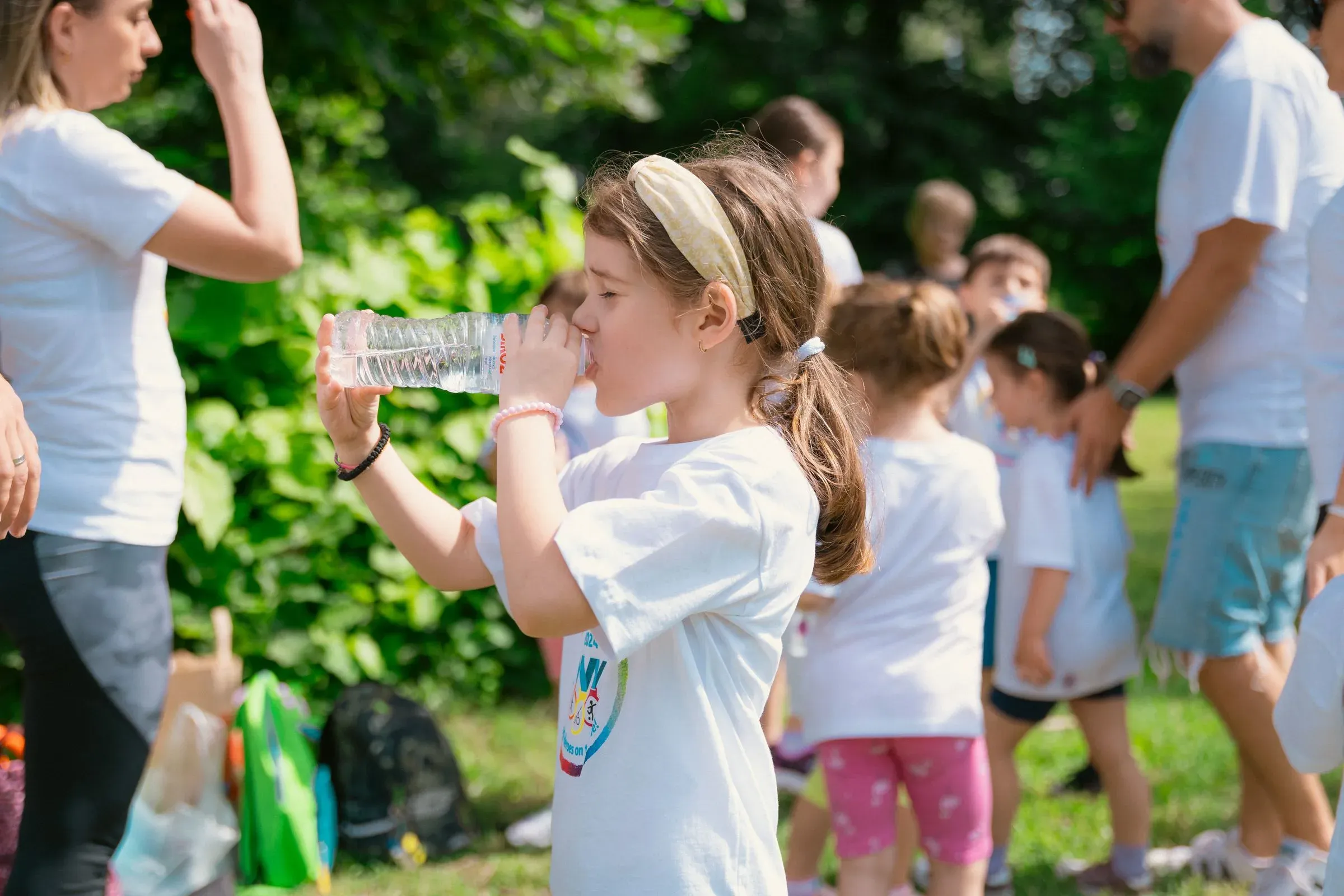
On a hot day, plan around shade, water, and an easy exit. Young children may keep playing after they are tired or overheated, so the adult chooses the length of the visit and watches for changes in behavior.
Check the local forecast and heat information before leaving. The National Weather Service heat safety guidance for kids covers signs of heat illness and actions to take. Follow local public-health advice if it is hotter than usual or an air-quality alert is active.
Pick the cooler window
Choose the part of the day with less direct sun when your schedule allows. A short visit in the shade can be more comfortable than a long visit in full sun. Check the actual route: a shaded playground may still require a sunny walk and a hot car ride.
Tell children the plan in simple terms: “We will play, drink, have a snack in the shade, and go home before the heat gets too hard.” Set an exit time before play starts.
Pack for cooling
Bring:
- Water for everyone, with a refill plan if needed
- A hat or other sun protection that the child will actually keep on
- Light, breathable clothing that fits the activity
- A small snack
- A sit pad or blanket for a shaded break
- Wipes and a spare shirt
- Phone and keys in an accessible pocket
Offer water at regular pauses instead of waiting for a child to ask. Keep the water accessible but do not make a child carry more than they can manage. If the park has no reliable shade or water source, shorten the visit or choose another location.
Use shade as part of the route
When you arrive, identify the shade and the nearest place to sit. Use the shaded spot for the snack and for transitions between activities. Avoid treating shade as only an emergency stop; it works better as a normal part of the visit.
Check surfaces before children use them. Equipment and dark ground can become very hot in direct sun. Move to a cooler area when a surface feels too hot for a child’s hand.
Know when the plan ends
Stop for a break if a child becomes unusually tired, irritable, dizzy, weak, confused, nauseated, or develops a headache. The NWS guidance linked above explains warning signs and emergency action. If a child seems seriously ill, move to a cooler place and seek medical help.
Do not bargain away the exit because play is going well. Give a warning, offer water, and leave while the family can still walk out calmly. The short park stop plan is useful when the weather changes during a visit.
For a picnic, use the toddler picnic packing list and keep perishable food in a safe cold setup. For a longer outing, use the visit-length packing list with heat as the condition that controls the duration.
Explore more park outings.