Park Playdate Planning When Kids Are Different Ages
Plan a park playdate for toddlers and older preschoolers with shared boundaries and age-appropriate choices.
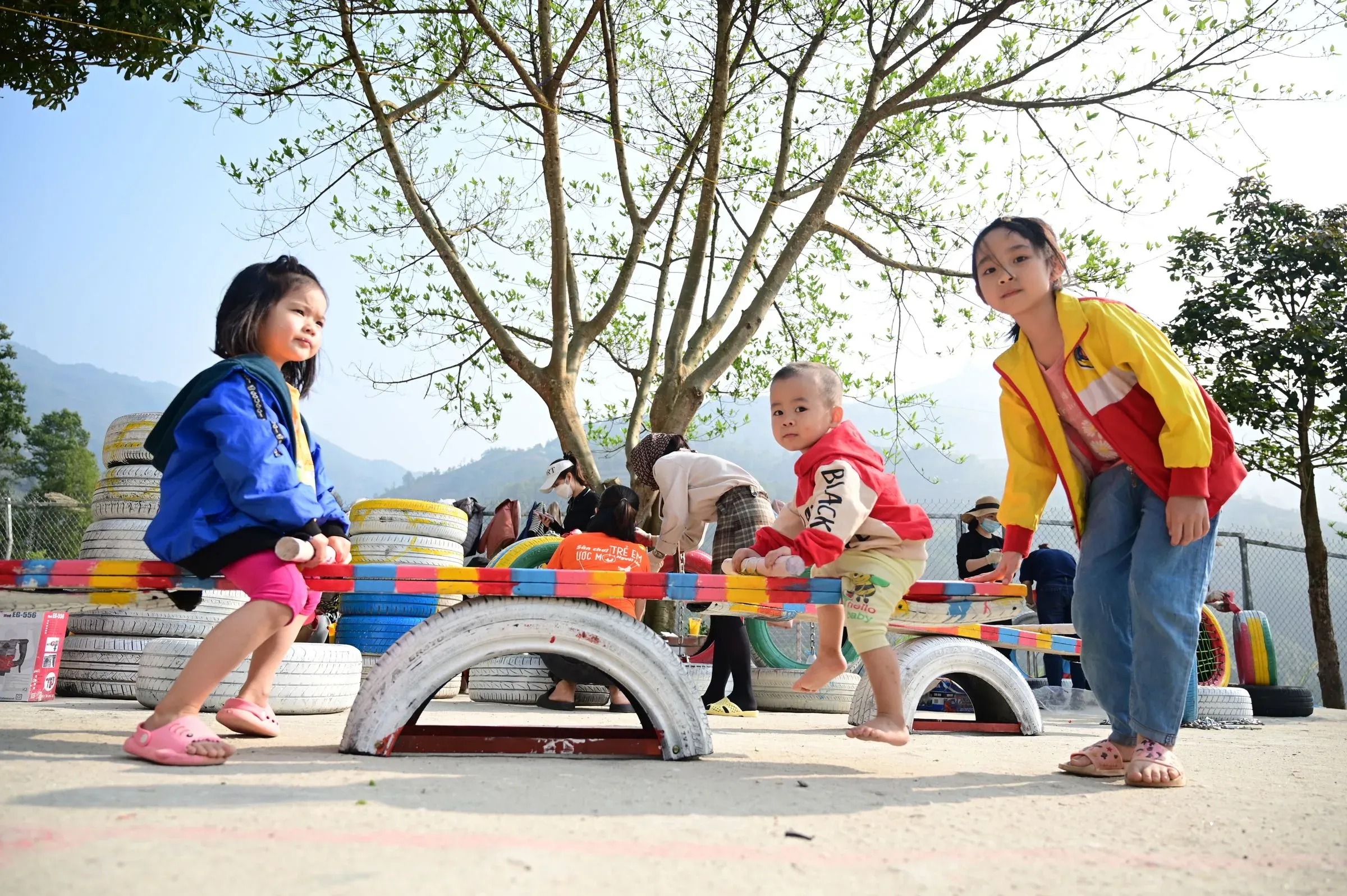
Different ages can enjoy one park playdate when the adults share a visible base and offer choices inside it. The toddler needs a close boundary; the older child needs room to choose. Plan the adult position first, then the activities.
Choose a park that supports both children
Look for a toddler-friendly area near a place where an older child can move without leaving the adult’s sight. Check the route to the bathroom and the distance from the parking or transit stop. A complicated park can make the age difference feel larger.
The CPSC Public Playground Safety Handbook recommends directing children to equipment appropriate for their age and giving toddlers and preschoolers more attentive supervision. Use posted equipment guidance and your real sight lines when setting the shared boundary.
Set one meeting point for water, snacks, and regrouping. The first playdate checklist covers the information to share before the visit.
Divide choices by distance
Give the toddler a close option: a low movement area, a bench-side activity, or a short walk with an adult. Give the older child a farther choice that still fits the agreed boundary. The adult should not need to choose between losing sight of one child and interrupting the other.
Say what happens when the children split: “You may use the climbing area; your sibling stays near me. We meet here for water.” Use a simple visual landmark rather than a long explanation.
Pack for two tempos
Bring water, individual snacks, wipes, spare clothing, and a small pause item. The toddler may need a snack early; the older child may want to keep playing. Pack portions separately so one child’s schedule does not control the other.
Do not make the older child responsible for the toddler. An older child can help return a cup or choose the next meeting activity, but an adult owns supervision. The mixed-age park outing plan gives a longer version of this approach.
Use a shared pause
Every 20 to 30 minutes, bring everyone back to the meeting point for water, a check-in, and a choice about what comes next. Keep the pause short. If a toddler needs a diaper, bathroom, or rest, explain the next step to the older child and offer a nearby choice.
When conflict starts, name the physical solution before discussing fairness: move the toddler, change the boundary, or give the older child a separate turn. The sibling conflict park plan can help when the playdate includes siblings.
Leave with a clear ending
Give the first warning before the youngest child is overtired. Choose one final activity that both can finish, then gather people and belongings. A shorter successful playdate is easier to repeat than a long visit that ends in a collision of needs.
Tell both adults what the youngest child’s early tired signs look like and what the older child may do during a care pause. That keeps the age difference from becoming a surprise. If one child needs a different route home, finish the shared activity first and make the handoff explicit.
Explore more park outings.