Single-Line vs. Parafoil Kites for Kids
Understand the setup and handling difference between a simple single-line kite and a soft parafoil for a family park outing.
Single-line describes the control method; parafoil describes a soft, air-filled kite shape. A parafoil can be single-line, as the Prism Pocket Flyer page illustrates. Compare the whole setup: frame, line, controls, wind, packed size, age guidance, and adult supervision.
This guidance draws on the linked manufacturer pages and product listings. No hands-on launch, stability, or durability ranking is claimed.
Compare one line with a dual-line parafoil
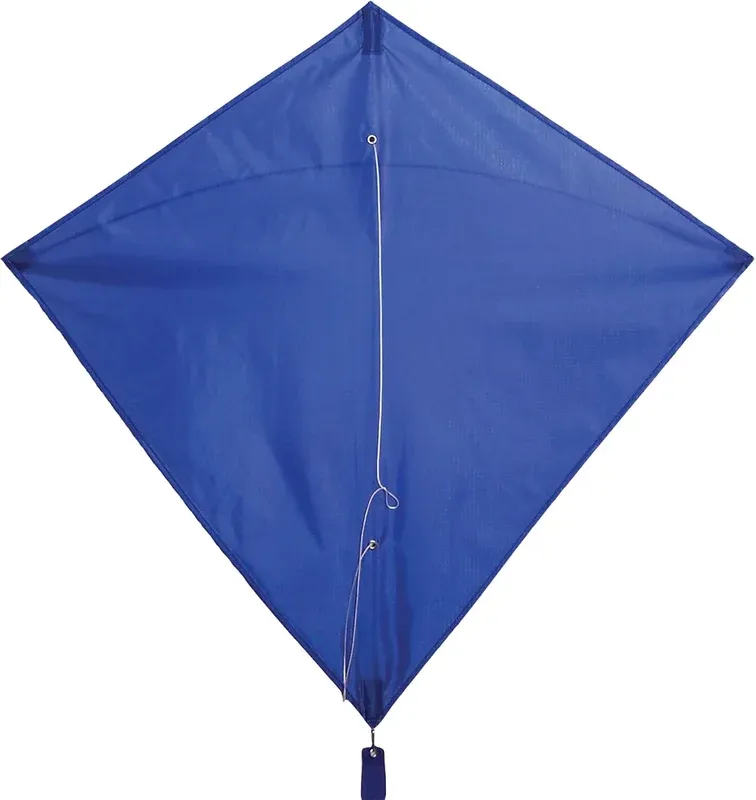
The In the Breeze Solid Diamond Kite is a single-line 30-by-30-inch diamond with tails and a 130-foot line. It gives an adult one line and a winder to manage, but its listing is labeled for adults, so do not infer preschool suitability from the simple shape.
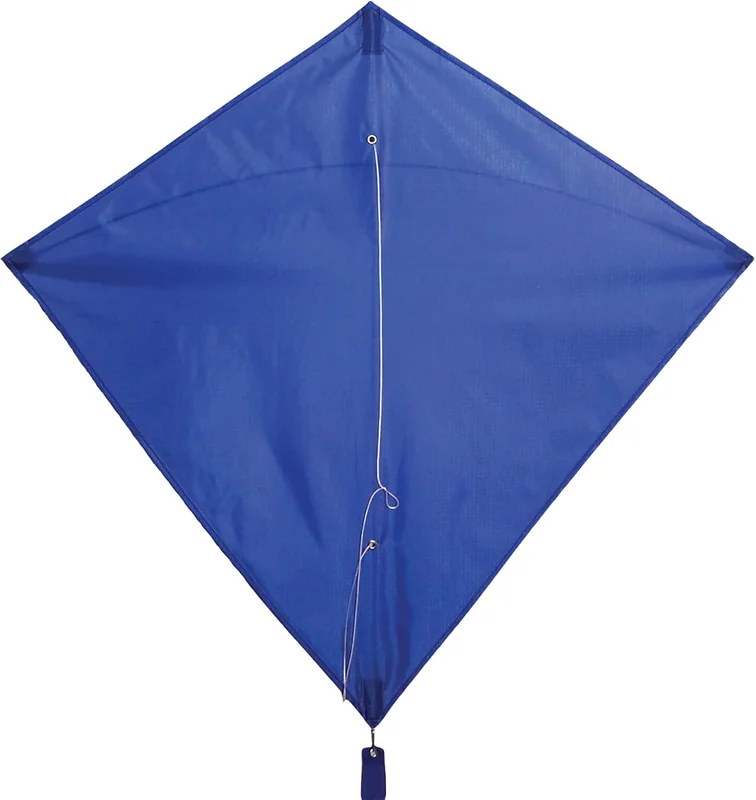
In the Breeze Solid Diamond Kite
The Prism Synapse 140 is a dual-line parafoil measuring about 53 by 20 inches and packs without a frame. Its listing is also adult-oriented. Treat it as an older-teen or adult comparison that needs two-line control and more deliberate setup; it is not the single-line beginner choice for a young child.
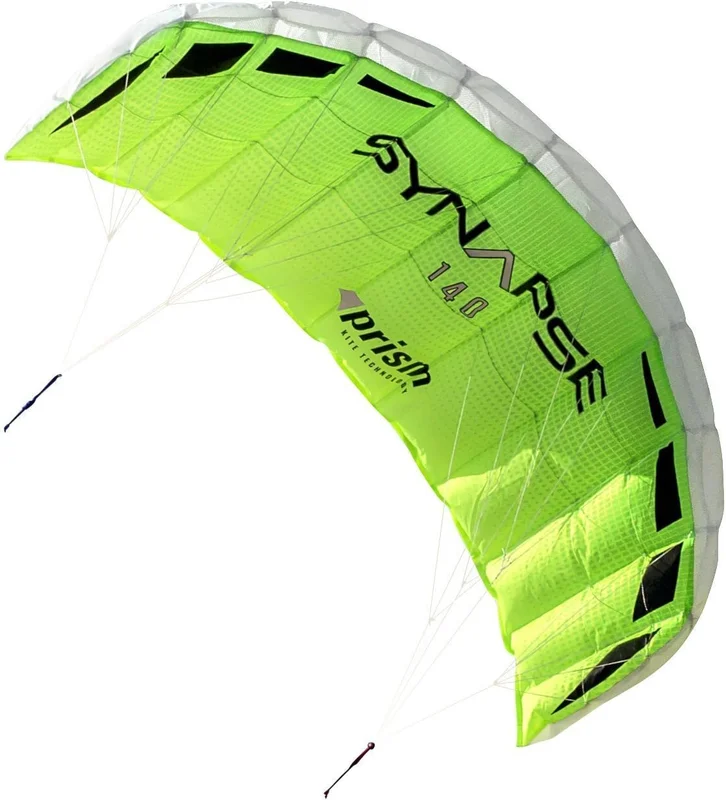
Prism Synapse 140
What single-line changes
A single-line kite gives the flyer one line to hold while the kite responds to the wind. Prism’s official Pocket Flyer page describes an all-fabric parafoil, a clip-on line, a compact winder, and no frame parts to assemble. The maker says single-line control avoids the learning curve of a dual-line kite.
That can simplify the first setup, but an adult still checks the wind, space, line, and handoff. “Simple” does not mean a young child should fly near people, roads, trees, or power lines.
What a framed dual-line kite changes
A framed kite such as the Prism Nexus 2.0 uses two lines and control straps. The manufacturer describes it as an introduction to dual-line flight and publishes setup, wind, packed-size, and age details on the page. Its specification lists an age range of 14 years and up, so parents shopping for ages 2–7 should treat it as an adult or older-teen product rather than a preschool toy.
Dual-line control may be the goal for an older flyer, but it creates more line handling and a different learning task. Read the exact manual before deciding who will hold the straps.
Compare the decision that matters
| Question | Single-line parafoil | Framed dual-line kite |
|---|---|---|
| Setup | Clip line to the soft sail | Assemble or check frame and attach lines |
| Control | One line and wind response | Two-line control and straps |
| Packed shape | Pocket or small bag on the Pocket Flyer page | Longer travel sleeve on the Nexus page |
| Child’s role | Watch or hold with an adult as appropriate | Usually adult-led for young children |
| Product age | Follow the exact page | Nexus page lists 14+ |
This compares maker-described formats; it is not a safety certification or performance test.
Choose the park before the kite
The park kite setup guide covers open space, rules, and launch troubleshooting. The CPSC toy guidance is a reminder to inspect the product and follow age labels.
Recheck the exact product page and manual before purchase. If the child’s main goal is to watch a kite rise and help with one small task, choose the setup the adult can fully control.
Pack the kite as one activity inside a broader outing. The visit-length packing list keeps water, layers, and the return route ahead of the kite. A good first session may end after a short launch and a calm pack-up.
Explore more park outings.