Nature Shapes Hunt: Find Circles, Spirals and Arcs
Play a shape hunt for ages 2–7 using branches, leaves, clouds, shadows and park surfaces without collecting or damaging anything.
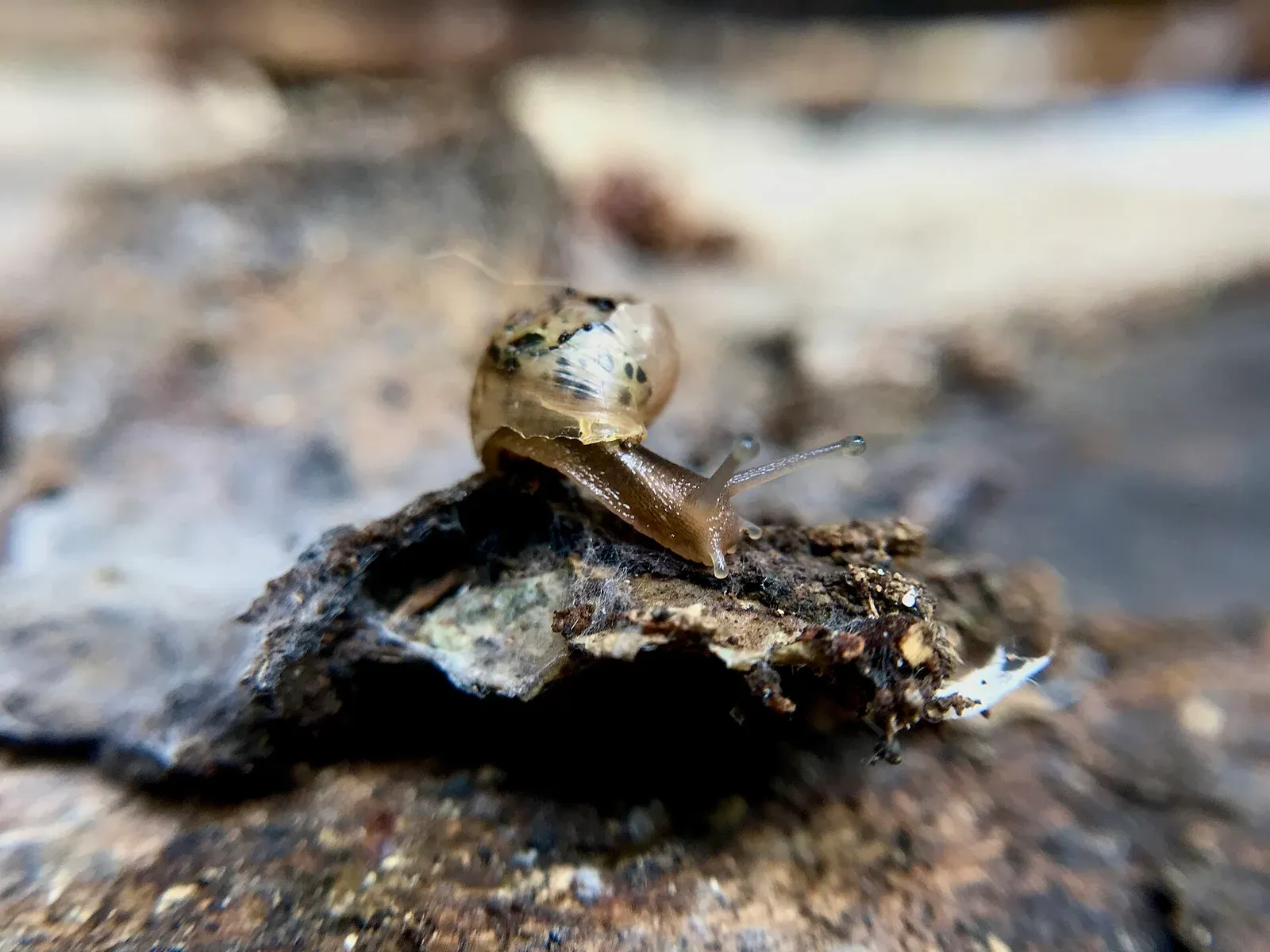
A shape hunt gives children a simple way to look around a park. Choose one shape—circle, arc, spiral, zigzag, or branching line—and find examples in clouds, leaves, branches, shadows, and nearby structures. Pointing and drawing are enough; nothing needs to be picked up.
The National Park Service Leave No Trace principles support leaving natural objects where they are. Keep the hunt look-only and stay within the route an adult has chosen.
Start with one shape
For younger children, choose circles and arcs. A wheel, a cloud edge, a leaf outline, or a curve in a branch can count. For older children, choose a branching line or a spiral and ask them to explain which part matches.
Say “looks like a circle” rather than insisting that a natural shape be exact. The useful question is what the child noticed.
Make a three-stop route
At the first stop, find the shape in a natural object. At the second, find it in a shadow or weather pattern. At the third, find it in a built surface. This comparison helps children see that the same form can appear in different settings.
Use nature pattern hunt when the child wants to find repeated lines or spots instead of one shape.
Add a drawing choice
The child can trace a shape in the air, draw its outline, or arrange three words around it. A younger child can make a mark and tell the adult what it represents. The nature drawing activities guide gives more ways to keep the focus on looking.
Do not ask children to climb, move objects, peel bark, or step into planted areas to complete a shape.
Keep the game flexible
A child who needs movement can walk between three safe points. A child who needs quiet can hunt from a bench. A mixed-age group can share a view while each child chooses a different shape.
Turn shapes into a short route
Choose three shape words before walking: line, curve, and branching. Start at a bench or path edge and point to one example of each without touching it. For ages 2–3, the adult can make the shape in the air and let the child match it with a finger. For ages 4–7, ask the child to draw the shape and say whether it appears once or many times in the view. Change the words when the route becomes repetitive. Avoid stepping into planted areas or moving objects to create a better example. A shape hunt is complete when the child has compared three views, not when every shape has been found.
Finish with a shape question
After the three examples, ask which shape the child would notice first on another visit and why. A younger child can point; an older child can add a date or sketch a new shape from memory. Stop there rather than searching a planted bed, climbing, or moving a stone to complete the list. The child’s explanation is the useful final record.
Sources and related reading
- National Park Service, Leave No Trace Seven Principles
- USDA Forest Service Research and Development, Observations in Public Settings
- Add color with nature color hunt.
- Try a full low-impact menu in outdoor nature activities.
Explore more nature play.