Nature Counting Activities for Kids at the Park
Try nature counting activities for ages 2–7 using visible objects, sounds and repeated features while leaving plants and wildlife alone.
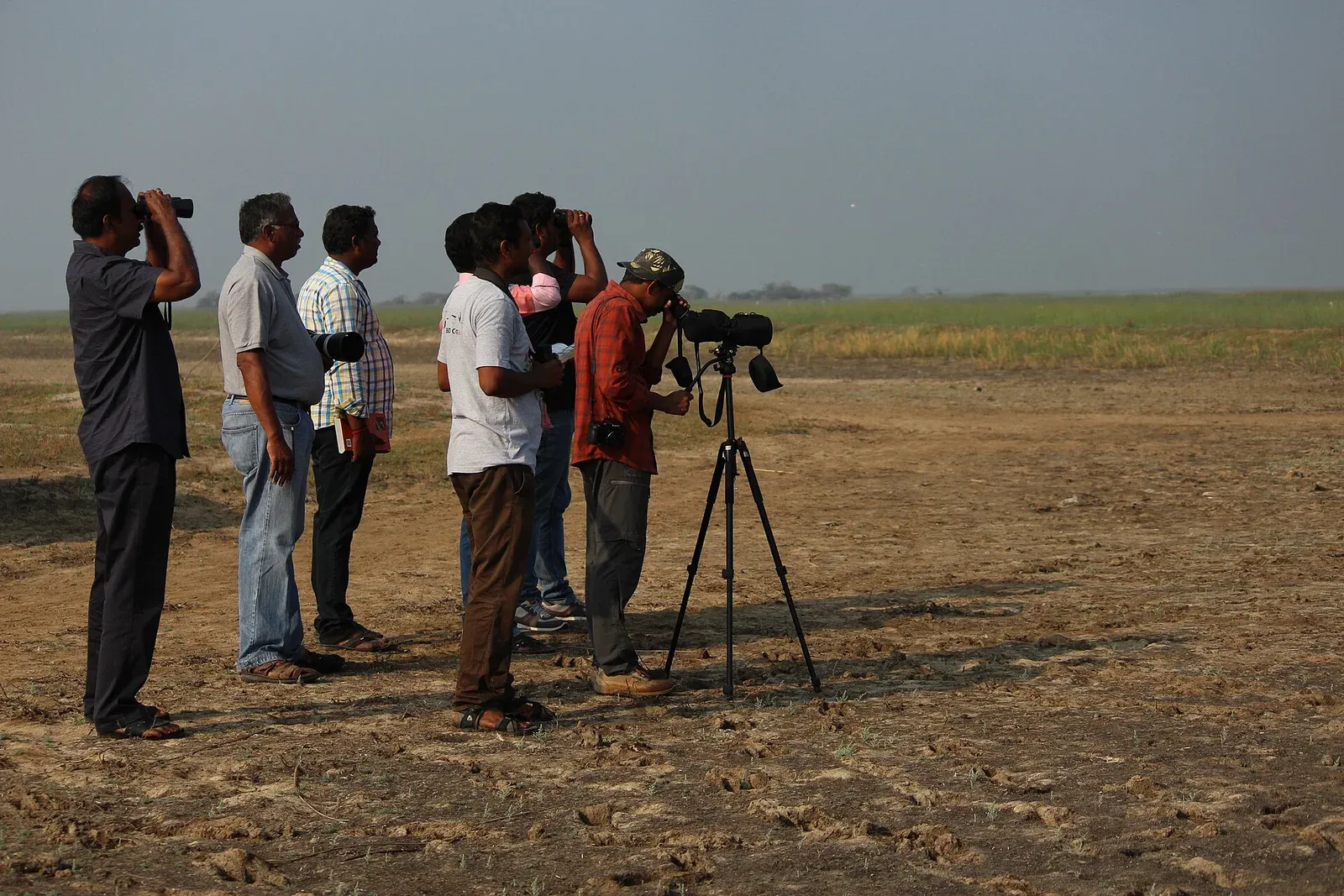
Nature counting is easiest when children count what they can see from one safe place. Count colors, branch splits, bird sounds, cloud gaps, shadows, or repeated patterns. The goal is to compare and notice, not to reach a large number or touch every object.
The USDA Forest Service discussion of observation supports careful attention to everyday surroundings. Keep the activity open-ended and avoid claims about what counting will do for a child.
Five ways to count
Count visible colors. Choose one view and count distinct colors, not individual leaves or flowers. Children can point while an adult keeps track.
Count branch directions. Look at one tree and count the main directions its visible branches take. Do not count by touching or climbing.
Count sound repeats. Listen for one repeated sound and mark each return with a finger tap. Stop if the sound becomes hard to distinguish.
Count shape repeats. Find three circles, arcs, or lines in the same view. A shadow or built surface can be included.
Count changes. Watch a cloud, shadow, or leaf for a short time and count visible changes. Use words such as moved, faded, opened, or brightened.
The nature shapes hunt gives a visual version when a child prefers searching to listening.
Match the task to the child
A two-year-old can count two or three points while an adult points. A preschooler can choose what to count. An older child can make a tally and write a question about the result.
Do not correct every count. If a child counts one branch twice, ask what they noticed. The conversation matters more than a final total.
Avoid counting as collecting
Do not ask children to gather ten leaves, ten rocks, or ten insects. A look-only count is easier on the park and avoids a pile that must be sorted, returned, or carried. The National Park Service Leave No Trace guidance recommends leaving natural objects where they are.
Make counting observational
Pick one visible category and count only what can be seen from the chosen stopping place: three branches, five shadows, two bird sounds, or several circles in a pattern. Stop at ten or sooner and let the child explain what was included. For younger children, the adult can touch each number on a notebook while the child points. For older children, make a second count from another view and ask what changed. Do not count wildlife by approaching or following it, and do not move objects to make the total easier. A count with an uncertain answer can be labeled “at least” or “not sure.”
Compare two counts carefully
Count one category from the same view, then count it again from a second view. Ask whether the number changed because the view changed or because the group noticed different examples. “I can see at least three” is a useful answer when part of the scene is hidden. Keep the child’s count separate from an adult’s correction, and do not rearrange objects to create a cleaner total.
Sources and related reading
- USDA Forest Service Research and Development, Observations in Public Settings
- National Park Service, Leave No Trace Seven Principles
- Continue with nature color hunt.
- Use nature observation activities for a deeper record.
Explore more nature play.