Five-Senses Nature Walk for Kids: Notice Safely
Plan a five-senses nature walk for ages 3–7 using sight, sound, smell and optional touch, with a firm no-tasting rule.
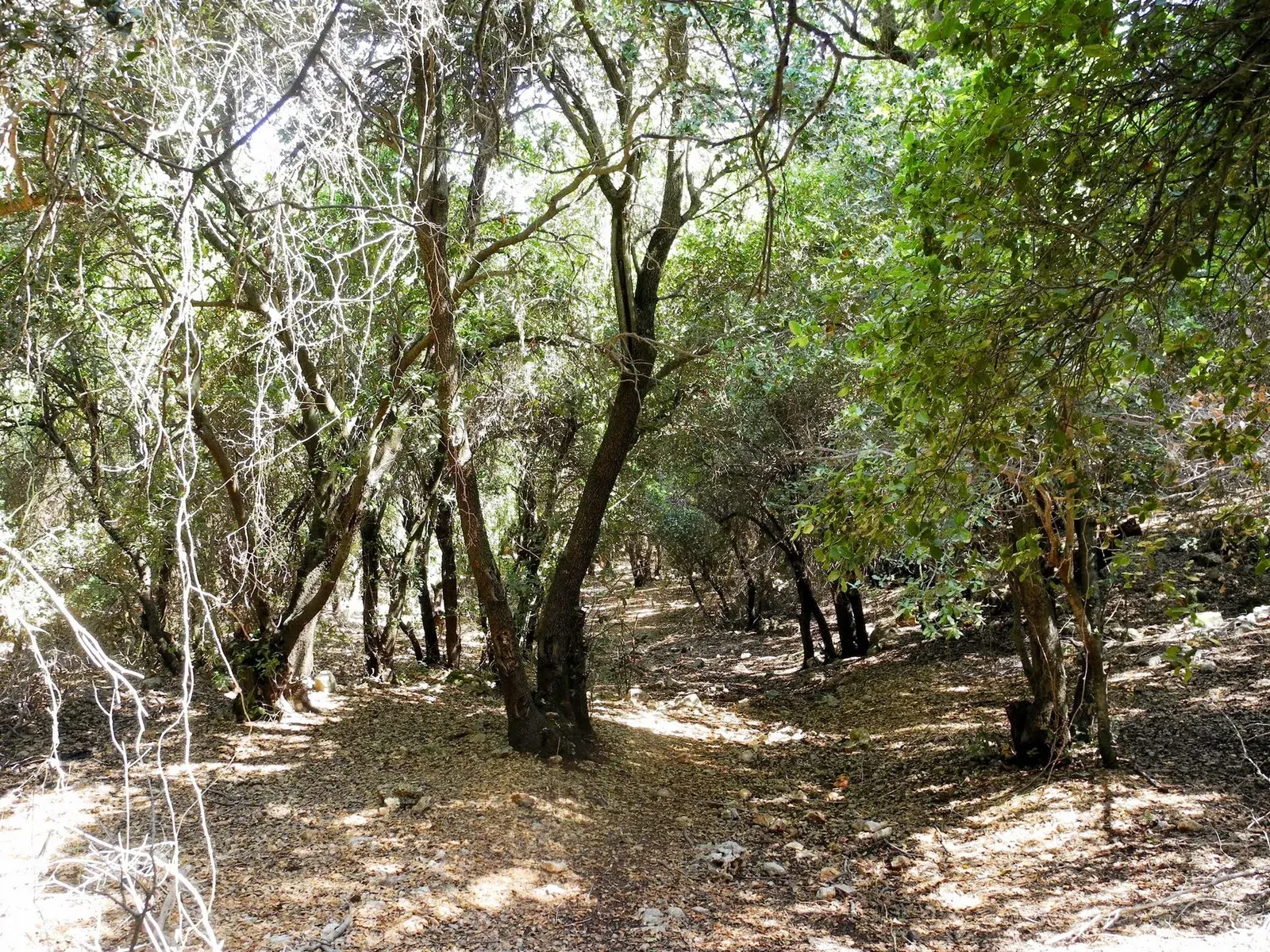
A five-senses walk does not require children to touch or taste nature. Use sight and sound first. Smell is optional and should stay with familiar, safe surroundings. Touch only adult-approved surfaces. Tasting wild plants is never part of the activity.
The National Park Service Leave No Trace principles support leaving natural objects and respecting wildlife. Those rules make this a low-impact observation walk rather than a collecting game.
Start with sight
Choose a small view and ask for three details: one color, one shape, and one moving thing. Point from the path or a stable sitting place. A child can draw the most interesting detail.
Use nature color hunt when the child wants a single visual rule. Keep the walk short if looking becomes tiring.
Add sound
Pause and listen for sounds that are near, far, repeated, or changing. Do not call to birds or imitate wildlife. A child can point in the direction of a sound without walking toward it.
The sound walk guide gives a full listening activity. Here, sound is one stop in a wider walk.
Treat smell as an invitation
Ask whether the air smells like rain, grass, soil, or something else only when the child is comfortable. Do not put leaves, flowers, berries, or unknown materials near a face. Avoid strong or irritating smells.
If there is no smell to notice, move on. A child does not need to produce an answer for every sense.
Make touch optional
An adult may approve a clean bench, a smooth railing, or another stable built surface. Avoid touching unknown plants, sap, thorns, fungus, animal signs, or insects. Wash hands afterward.
Never touch wildlife. Never use tasting as a “fifth” challenge. The nature activities without collecting page has look-only alternatives.
End with a memory
Ask which sense noticed something first. A child can draw, dictate, or simply point back toward the most interesting spot. The activity is complete when the child has made one careful observation.
Give each sense a short turn
Settle near one safe stopping point and move through the senses in separate turns. First ask the child to point to three things they can see. Then listen without moving for a few seconds and describe one sound as near, far, high, low, repeated, or changing. For touch, use only an adult-approved clean surface such as a bench or the child’s own clothing; do not handle plants, insects, scat, or unknown materials. Smell can be described from a distance without putting anything near the nose. Taste is not part of this activity. Let the child skip a sense and finish with a drawing or dictated sentence.
Sources and related reading
- National Park Service, Leave No Trace Seven Principles
- National Park Service, Recreate Responsibly
- Use nature observation activities for a look–ask–record routine.
- For a quieter outing, try quiet nature activities.
Explore more nature play.