Toy Storage Bags for Park Gear: Options Compared
Compare park toy storage bags by opening, capacity, carry method, cleanup, and whether the bag must separate wet gear.
Choose a toy storage bag by the pieces it must contain and the route it must travel. A small activity pouch, an open tote, and a wet bag solve different problems. Start with the actual toy set and avoid using a food or clothing bag as a general toy bin.
This guidance draws on the linked manufacturer pages and product listings. No capacity, durability, or carry-comfort test is claimed.
Two storage formats for different gear
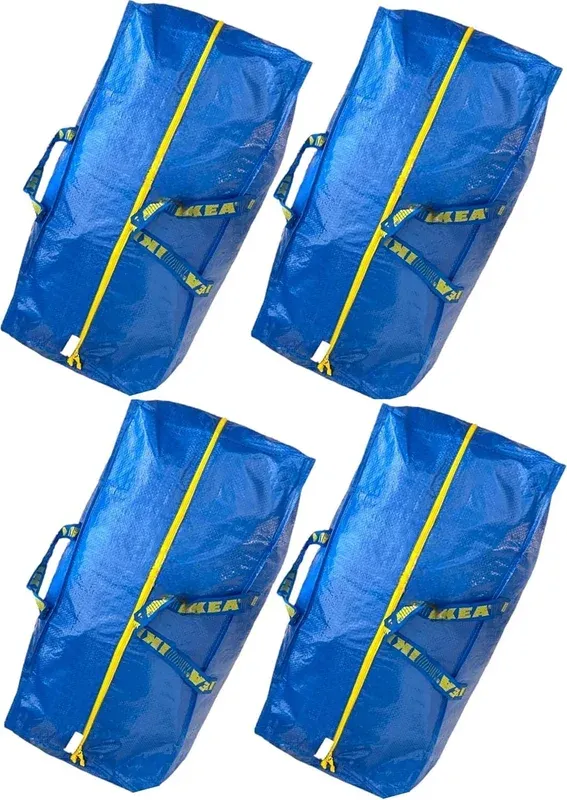
The IKEA FRAKTA carrier bag is sold as a four-pack of large polypropylene utility bags with zippers and a listed 28-by-13-by-11-inch size per bag. Use one for clean, bulky toys that need one collection place; it is not a waterproof wet bag, so let damp items dry elsewhere.
Bulky clean-toy bag
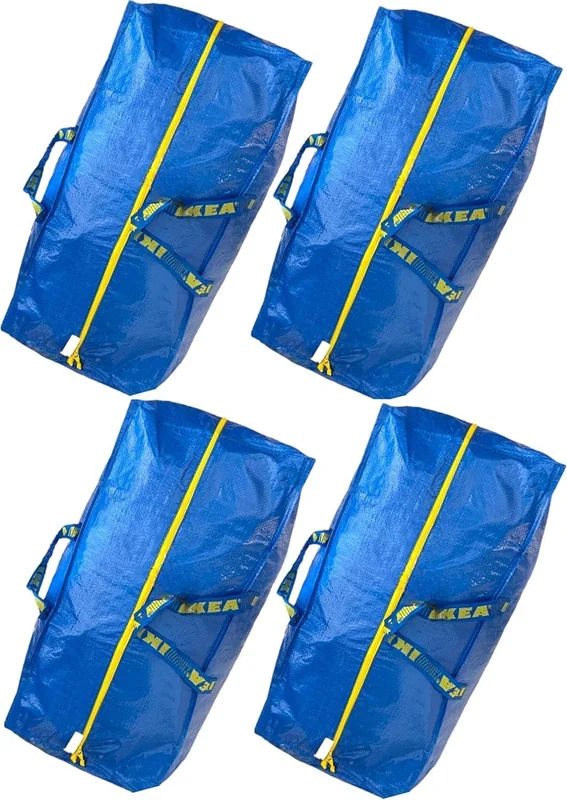
IKEA FRAKTA carrier bag
Best for: Clean, bulky toys that need one collection place
- Pack
- 4 bags
- Size per bag (listing)
- 28 x 13 x 11 inches
- Material (listing)
- Polypropylene
- Closure
- Zipper
Trade-off: It is not a waterproof wet bag, so let damp items dry elsewhere.
Check price on AmazonThe IKEA PÄRKLA storage case is a flatter 22-by-19-by-7-inch zip case that folds down when empty. Its care directions say not to wash, bleach, or tumble dry it, so choose it for dry, flat park gear and a home storage shelf rather than muddy or wet toys.
Flat dry-gear case
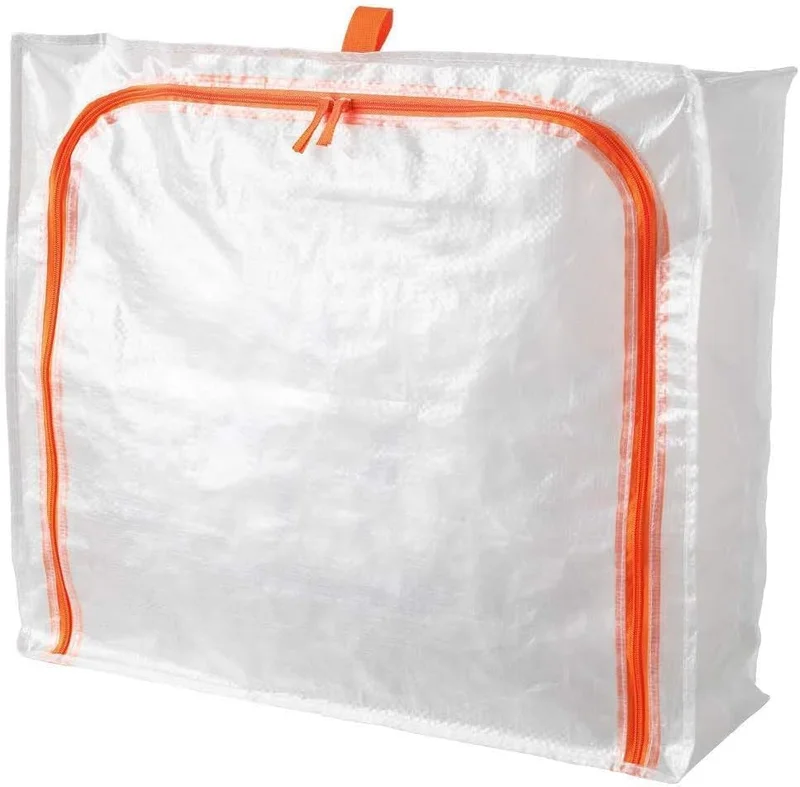
IKEA PÄRKLA storage case
Best for: Dry, flat park gear and a home storage shelf
- Size (listing)
- 22 x 19 x 7 inches
- Storage
- Folds flat when empty
- Closure
- Zip
- Material (listing)
- Polypropylene
Trade-off: Care directions say not to wash, bleach, or tumble dry it, so skip it for muddy or wet toys.
Check price on AmazonMatch the opening to the toy
Lay out the toys before shopping. Check whether the bag needs:
- A wide opening for a bucket or larger toy
- A zipper or drawstring for small pieces
- An interior divider
- A handle a child can carry
- A shape that fits a stroller, car, or adult daypack
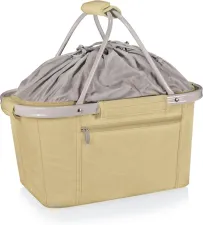
The official Picnic Time XL Canvas Tote page lists a large cotton-canvas tote with manufacturer dimensions and surface-wash instructions. That is a different choice from a small organizer or a waterproof wet bag. Recheck the exact product page before buying.
Separate toy storage from wet storage
Use a dedicated wet bag for damp clothing or toileting backups. The Bumkins Wet Bag page and wet bag collection describe that product category and its care instructions. Do not treat a wet bag as a toy tote for hard, sandy pieces unless the maker says the use is appropriate.
The one-bag park kit keeps toy, cleanup, food, and clothing zones separate. That separation matters when sand or mud comes home with the toy.
Check the route
For a walk or transit trip, compare the empty weight and the carry handle with the adult’s existing load. For a car picnic, a larger open tote may be practical. If children are supposed to return the toys, make the bag easy to identify and easy to close.
The car-free outing plan and park outing packing list help decide how much toy storage the route supports.
Read care and closure details
Check whether the manufacturer allows wiping, spot cleaning, washing, or immersion. Do not put damp items in a closed canvas tote. Check seams, straps, and zippers before every outing, especially when the bag carries heavy or sharp-edged toys.
Choose the smallest bag that contains the real activity, has a closure you can use, and can be reset after the park. Recheck the current maker page for dimensions, materials, and care before purchase.
Label the bag by its contents rather than by the child’s name alone: “sand set,” “quiet activity,” or “wet clothes.” That makes the return step obvious to a preschooler and helps an adult leave behind a bag that was never opened. If the activity has many small pieces, use a smaller inner pouch before placing it in the larger tote.
Explore more park outings.