Nature Art for Kids Using What the Park Already Offers
Make temporary nature art with children ages 3–7 using lines, shadows, colors and views already in the park, without removing natural materials.
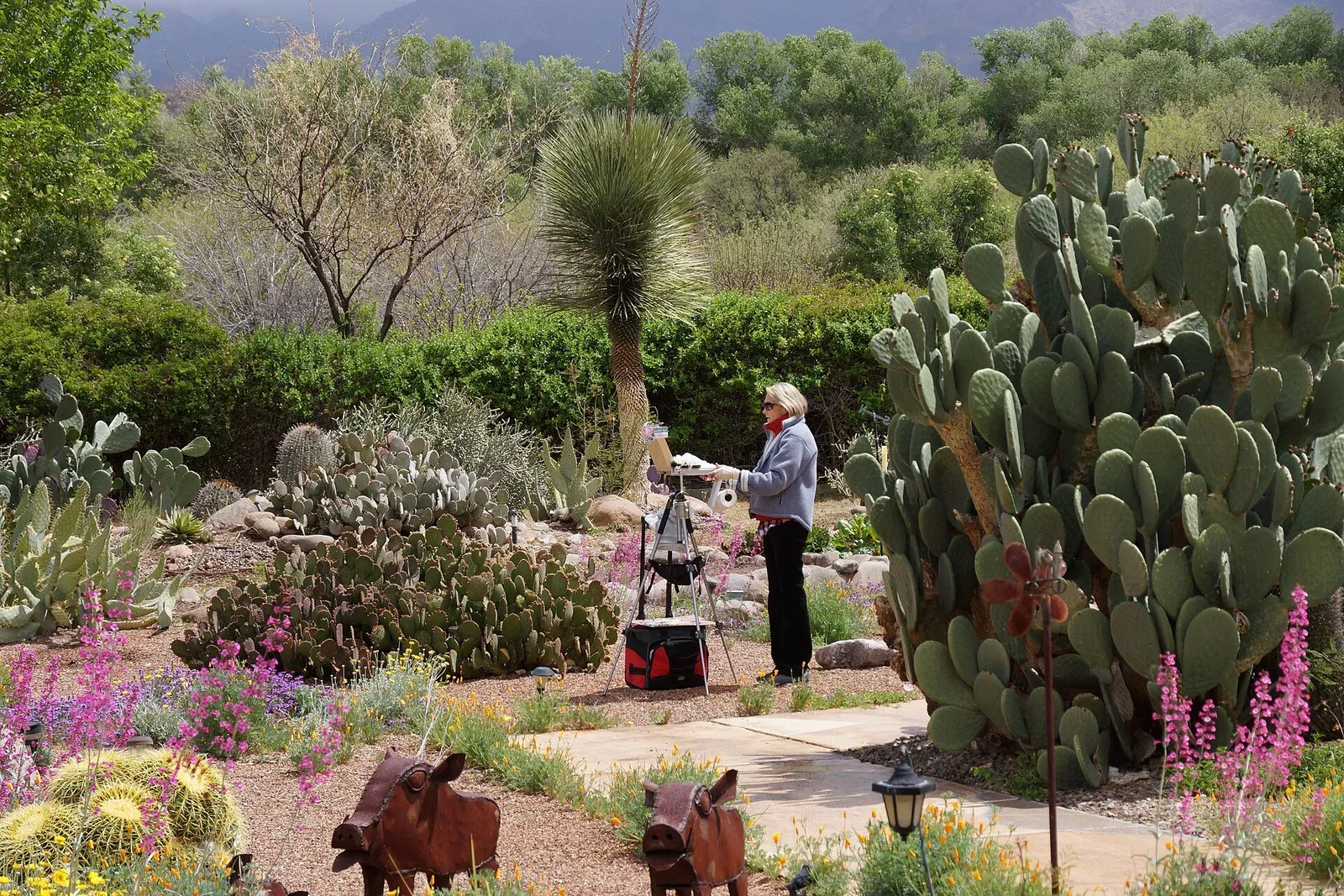
Nature art can use observation instead of collection. Draw a branch line, frame a color view, copy a shadow, or arrange words about what you see. Keep the art temporary and leave plants, rocks, leaves, and other natural objects where the park has placed them.
The National Park Service Leave No Trace guidance specifically recommends leaving natural objects where they are. That rule gives children a creative boundary rather than taking away the activity.
Four ways to make art
Line drawing: Choose one branch, grass blade, or shadow edge. Draw the line with one continuous pencil mark.
Color frame: Use your hands to frame a small view. Name three colors and draw three blocks that match them.
Word arrangement: Choose five describing words and place them on a page around a simple shape. A child can dictate the words.
Shadow copy: Draw the edge of a fixed shadow from the ground. Do not move equipment or climb for a better view.
Use land art if the child wants to work with placement and temporary designs.
Make the art reversible
Before starting, ask whether anything is being moved. The easiest answer is no. Draw in a notebook, photograph a view, or use a child’s body position as the “art.” If the child wants a design on the ground, use only an adult-approved surface and a material the park allows, then clean it fully.
Do not stack rocks, break branches, press flowers, or rake leaves into shapes. Park rules differ, and a temporary design can still damage habitat.
Keep the focus on noticing
Ask what changed when the child moved, when a cloud passed, or when the light shifted. A child’s art can be abstract. Do not claim that it represents a plant or animal accurately unless the child is describing a fact.
The nature drawing activities page gives close-looking prompts for children who prefer a notebook.
Use an observation-first art prompt
Give the child two minutes to look before drawing. Ask for one line from a branch, one color from the ground, and one shape in the sky. The child can combine those observations on a notebook page without copying the scene exactly. For ages 2–3, offer a large crayon and let the child choose one visible color. For ages 4–7, ask the child to label what was observed and what was invented. Keep the page and art supplies with the family; do not use markers on trees, pavement, or park furniture. This makes a finished piece while leaving the setting unchanged.
Make one observation card
Fold a notebook page into four spaces and fill only one: a color block, a line, a sound word, or a question. The child can choose the space and leave the others blank. This makes a finished record for a short visit and gives the adult a clear stopping point. Keep the page and drawing tool with the family, and use the next visit to compare cards rather than adding more outdoor material. In March, build a leprechaun trap from fallen sticks.
Sources and related reading
- National Park Service, Leave No Trace Seven Principles
- National Park Service, Recreate Responsibly
- Try nature activities without collecting.
- Continue with land art for kids.
Explore more nature play.