Rainy-Day Nature Observation at the Park
Use a short rainy-day nature observation plan for ages 3–7 to notice puddles, wet surfaces and sound while keeping weather limits clear.
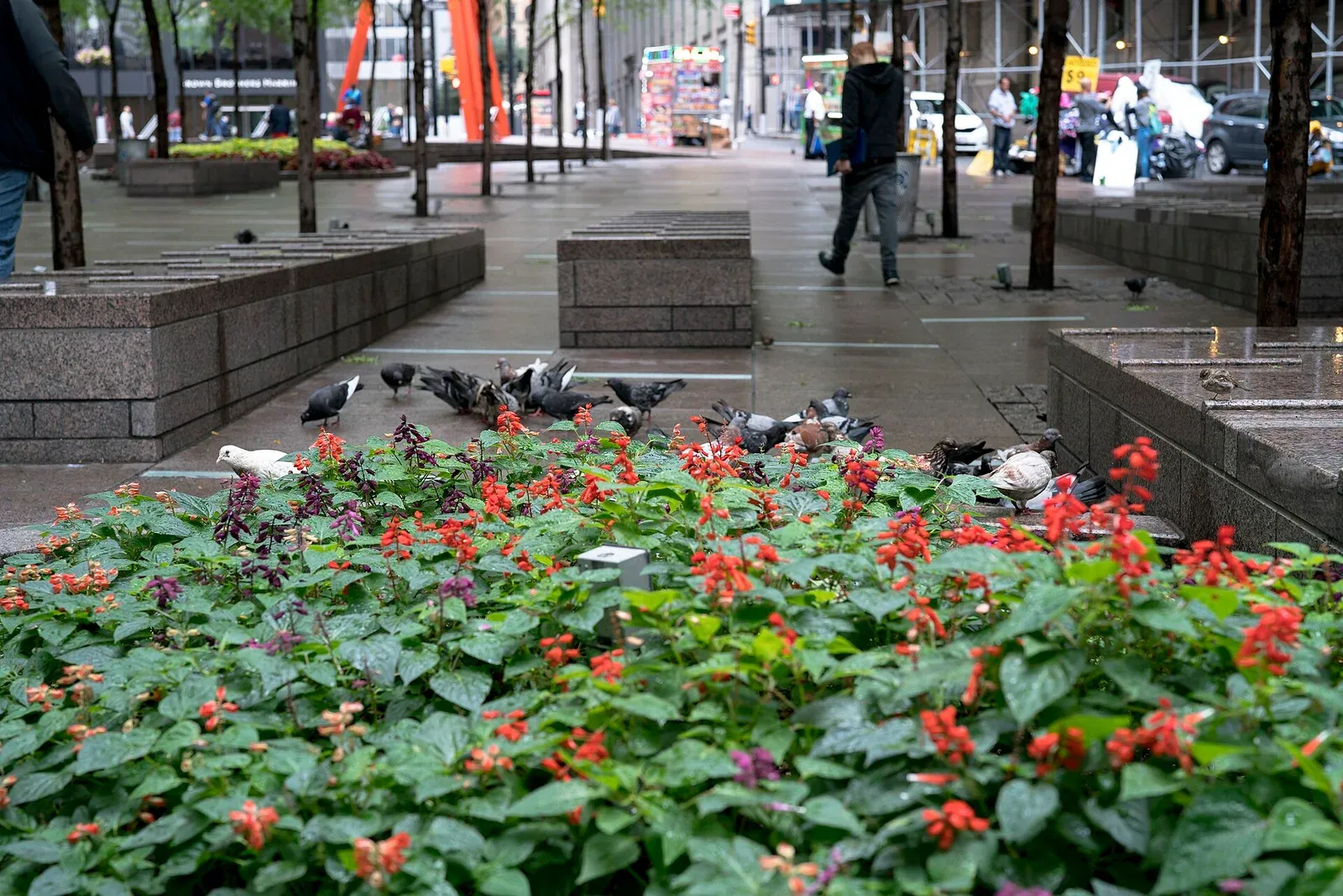
A rainy-day observation can stay close to a shelter, covered bench, or dry path edge. Watch puddle reflections, drops on leaves, moving water, darkened surfaces, and the sound of rain. Leave if the ground becomes slippery or the weather becomes unsafe. Near a pond on a mild spring evening, children may hear spring peepers calling.
The National Weather Service education resources offer background on precipitation and weather. This family activity stays with what children can see and hear.
A kids umbrella frees a child to look at drops and worms without a hood in the way. For the science, see why worms come out when it rains.
Choose a sheltered view
Check park rules and choose a place with a stable surface. Keep children away from drainage channels, fast-moving water, steep banks, and areas where mud makes footing uncertain. Do not use a storm as a reason to stay longer.
Bring clothing appropriate for the conditions and a dry way to stop the activity. If lightning, thunder, high wind, or an adult’s concern appears, leave.
Try four rain observations
Reflection: Look at a puddle from the edge without stepping in. What does it reflect? The child can describe the shape.
Drop movement: Watch drops on a leaf or railing from a safe distance. Do not touch a slippery surface.
Surface change: Compare a dry-looking covered area with a wet open area. Use words such as dark, shiny, dull, or streaked.
Rain sound: Listen for one repeated rhythm, then one sound beneath it. Use sound walk if the child wants a longer listening pause.
Keep water wildlife undisturbed
Do not put hands into puddles, ponds, drains, or mud. Do not move insects or collect rainwater. A child can draw a reflection or dictate a question from the path. Wet spring days are also when vernal pools for kids fill with water.
Use a three-stop rain route
At the first dry stopping point, compare one covered surface with one wet surface. At the second, listen for a change in the rain against two materials without moving toward a drain. At the third, look at a reflection from the edge of a puddle and describe its shape. Keep each stop brief so clothing and footing can be checked. A child can draw the best reflection or dictate one weather word; no sample needs to be touched or carried home. Skip the route when thunder, lightning, high wind, flooding, or slippery ground makes the adult uncertain. A shelter view still counts as a complete observation.
Have a dry alternative
Choose an indoor window, porch, or another permitted shelter as the backup before leaving home. The child can compare a wet and dry view through glass, listen for rain, and draw one reflection without entering a slippery area. If the adult’s weather judgment changes, use the backup or end the outing. Rain observation is optional; safety and a dry return matter more than completing the route.
Record one change
At the end, ask what looked different from the start: a puddle edge, a dark surface, a sound, or a reflection. The child can say the answer while the adult writes it. A single comparison is enough for a rainy-day record, and it gives the family a reason to revisit the same view when conditions are dry.
Sources and related reading
- National Weather Service, Basic Weather Education
- National Park Service, Recreate Responsibly
- Compare another season in winter nature activities.
- Record the day with weather observation for kids.
Explore more nature play.