Snow Nature Activities for Kids: Tracks, Texture and Change
Try snow nature activities for ages 3–7 to observe tracks, texture, shadows and melting without entering unsafe ice or approaching wildlife.
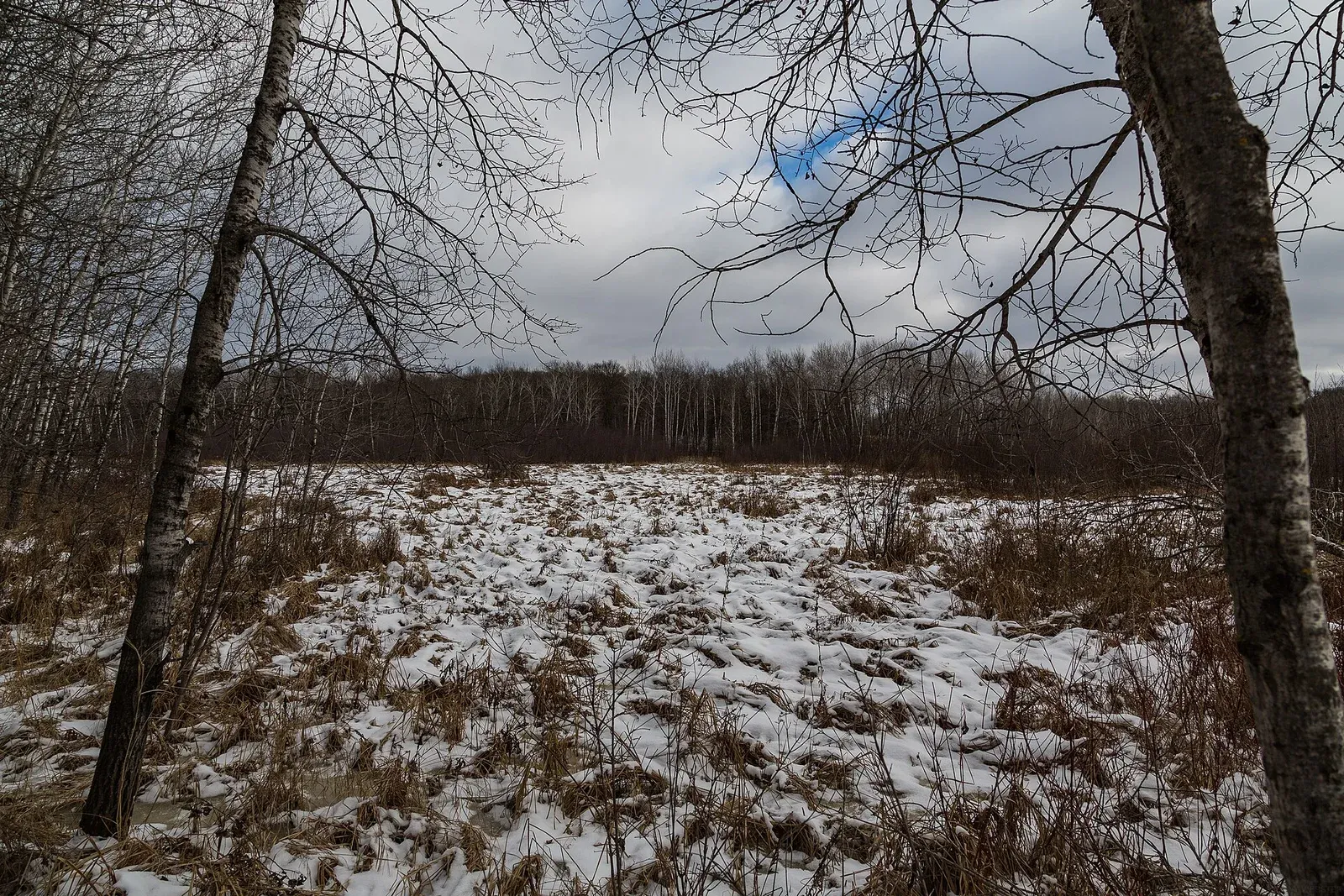
Snow makes tracks, shadows, and changes easier to notice, but it can also hide holes, ice, and unstable edges. Choose a cleared, permitted place and watch from a stable surface. The U.S. Geological Survey animal tracks reference can help adults compare marks later.
Bright snow glare is easier on the eyes with toddler sunglasses or, for ages 4 and up, kids snow goggles.
Try four snow observations
Track shape: Look for prints without stepping into them. Compare round, long, split, or unclear shapes from the path.
Texture: Describe smooth, crusty, sparkly-looking, soft-looking, or ridged snow without putting it near a child’s mouth.
Melt edge: Watch where snow meets pavement, grass, or shade. Ask which edge looks different and why that might be. When the snow starts to thaw, see snow melt play at the park for safe ways to watch streams and slush.
Shadow line: Compare a tree or railing shadow on snow. Use shadow activities for a fuller version.
Keep children away from hazards
Do not walk onto ice, frozen ponds, steep snowbanks, or closed areas. Do not ask children to follow tracks toward an animal. Leave scat, feathers, and unknown materials alone. Stop if clothing becomes wet or the child is cold. Waterproof boots with deep tread help on packed snow; the toddler snow boots guide explains how to choose and size them.
The National Park Service Leave No Trace principles recommend respecting wildlife from a distance and leaving natural objects in place.
Use a snow-free backup
If the park has only patches of snow, combine one snow observation with winter nature activities. If conditions are unsafe, choose a different day. The activity is optional.
Compare a melt boundary
From a stable, permitted surface, choose one place where snow meets pavement, grass, or shade. Ask the child to describe the line: straight, uneven, thin, wide, bright, or dark. Return to the same view later only if conditions remain safe, and look for one change. Do not step onto ice or climb a snowbank to reach the edge. A child can draw two boundary lines in a notebook and label them with the time of day. If there is too little snow, compare a shaded patch with a bare patch and use the same observation prompts. Leave all tracks, snow, and wildlife signs undisturbed.
Finish with a warm record
Back indoors, let the child choose one snow word, one shape, and one question from the visit. The adult can write or sketch them without bringing snow, tracks, or other natural material inside. A warm record lets a short, safe observation stand on its own.
Use a no-snow substitute
If the park has no snow, use the same prompts on a shaded patch, a wet edge, or a bare branch. Ask what is smooth-looking, where a boundary appears, and what changed since the last visit. This keeps the observation useful across US regions without pretending that every winter has the same conditions.
Give the visit a clear finish
Return to the adult-selected meeting place before the child becomes cold or tired. Let the child choose one shape or track to describe, then pack every human-made item. A short observation that ends safely is more useful than extending the route for one more sign.
Kits that supply the face and scarf are compared in the snowman kit guide.
Sources and related reading
- U.S. Geological Survey, Animal Tracks
- National Park Service, Leave No Trace Seven Principles
- Continue with animal tracks activities.
- Use nature observation activities for any season.
- When children need to warm up, switch to active snow games for kids on a flat, open lawn.
- Compare simple shovels and molds in the snow toys for toddlers guide.
- Look at crystal shapes with snowflakes under a microscope.
- Build with how to build a snowman with a toddler or a low snow fort.
- Read is it safe to eat snow before anyone tastes it.
After snow falls, try the snow science experiments, learn how frost forms, or shape a mound with snow sculpture ideas.
For more snow play, try snow painting for kids or stamp a wheel for fox and geese.
Kids who ask why snow looks white can read why is snow white, and preschoolers can play the snowman games with or without snow.
Explore more nature play.