Winter Nature Activities for Kids: Look for Quiet Clues
Use winter nature activities for ages 2–7 to notice tracks, bare branches, evergreens, sound and changing light in short park visits.
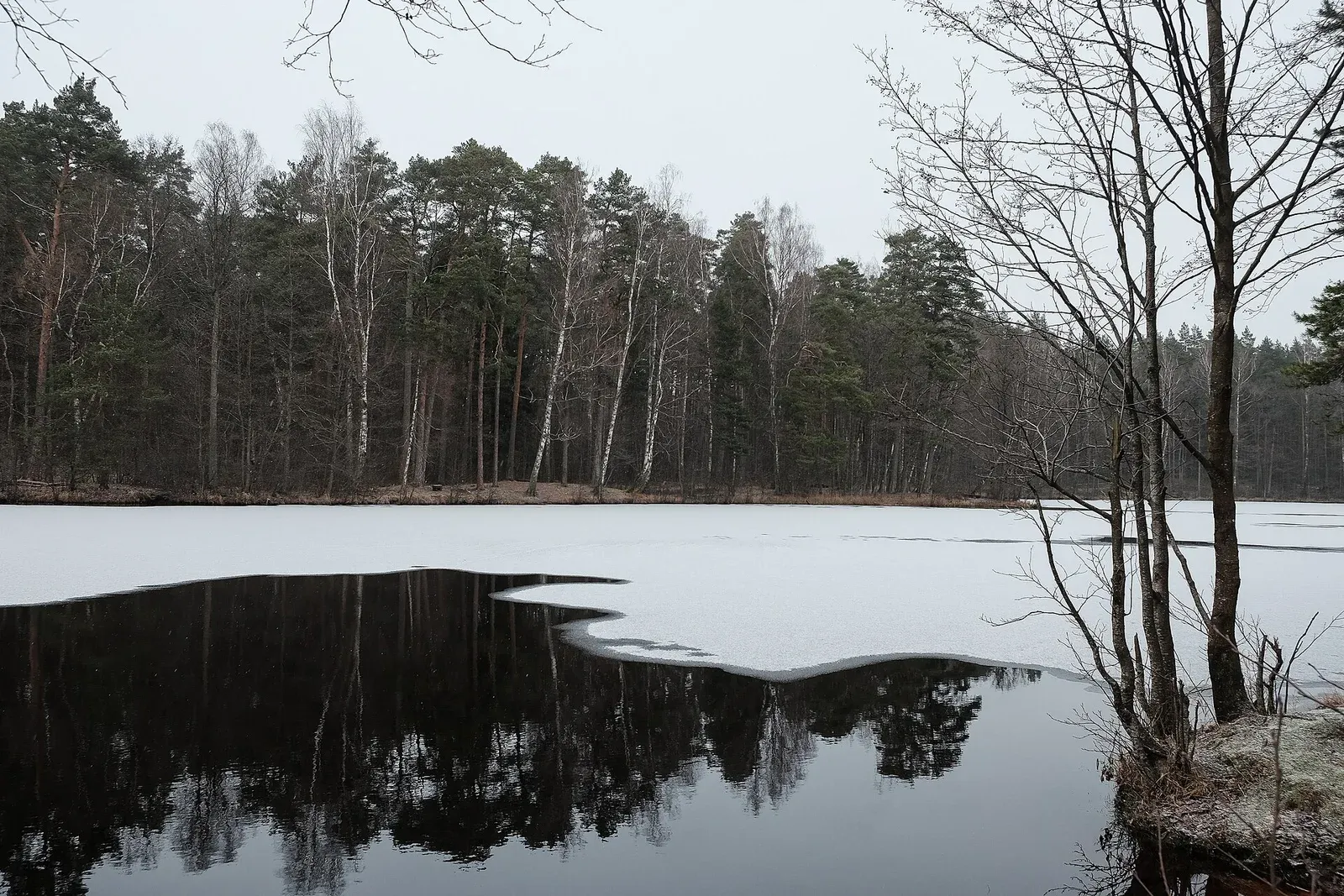
Winter nature play can happen with snow, frost, rain, or none of those. Look for bare branches, evergreen shapes, tracks, quiet sounds, low light, or changes in the ground. Keep the visit short enough for the child to stay comfortable.
The National Park Service’s phenology resources frame seasonal nature as something to observe over time. A winter outing is one record in that larger rhythm, not a checklist of signs every park must show.
Try four quiet winter observations
Branch map. Choose one tree and trace the visible direction of its branches with your eyes. Do not climb, pull, or touch.
Evergreen comparison. Look at two evergreen shapes from the path. Compare height, color, and outline without naming the species.
Track pause. If tracks are visible, observe their shape and pattern from a durable surface. Use animal-track activities for the full boundary.
Sound and light. Listen for the quietest sound and compare a bright patch with a shaded one. A child can draw a line for the sound or shadow.
Make a snow-free plan
In warm or coastal areas, winter may mean rain, wind, bare plants, or shorter daylight. Use rainy-day nature observation when the ground is wet, or weather observation for a simple log.
Do not force a “winter” item that is not present. Ask what the park is showing today.
Keep conditions in charge
Check the forecast, park alerts, ground conditions, and clothing before leaving. Avoid ice, unstable banks, deep snow, and areas that are closed. Stop when the child is cold, wet, tired, or unsafe.
Do not feed wildlife, follow tracks toward an animal, or taste berries. The Leave No Trace principles recommend leaving natural objects and respecting wildlife from a distance.
Use a winter comparison route
Choose two permitted views that can be reached without ice, steep banks, or closed paths. At the first, describe light, color, and one sound. At the second, look for a difference in ground cover, branch shape, or animal sign without following it. A child can make two quick drawings or dictate one sentence for each view. In warmer regions, winter may mean bare trees or shorter daylight rather than snow; use what the park shows. Keep hands away from unknown material and frozen water. Leave when clothing becomes wet or footing changes, and finish the record at home if needed.
Set a no-ice rule
Tell the child before walking that frozen water, thin ice, and unstable snow edges are observation-only from far away. Choose two land views instead and compare light, branch shape, or sound. If a path becomes slick or visibility changes, return to the adult-selected meeting place. A winter record can happen from a warm stop or at home after the visit.
Sources and related reading
- National Park Service, Exploring Seasonal Changes with Phenology
- National Park Service, Leave No Trace Seven Principles
- Use a no-snow option in nature activities without collecting.
- Record a repeat visit with start a nature journal.
- Turn these observations into a checklist game with the winter scavenger hunt and its printable picture list.
- Plan a month of short outings with the outdoor Christmas bucket list.
- Learn how animals cope with the cold in winter animals for kids and animals that hibernate.
- Check which snow is safe to taste in is it safe to eat snow.
- Add an icicle log from how do icicles form.
- Try a dry-pod hunt with winter seeds and seed pods.
- Count birds with the Great Backyard Bird Count with kids.
- Play winter movement games from penguin games for preschoolers.
For more ideas, use the winter bucket list for kids, try frozen bubbles on a very cold day, follow the January plan for preschoolers, and read where frogs go in winter before a pond-side visit.
Try ice painting for toddlers on a freezing day, or learn to tell pine, spruce and fir apart on a walk.
Check winter facts on your walk with winter facts for kids, look at buds with winter tree identification, or plan the month with February activities for preschoolers.
Explore more nature play.