Park Trips After Potty Training: A Low-Stress Packing Plan
Pack for park trips during and after potty training with spare clothes, bathroom timing, and a simple cleanup routine.
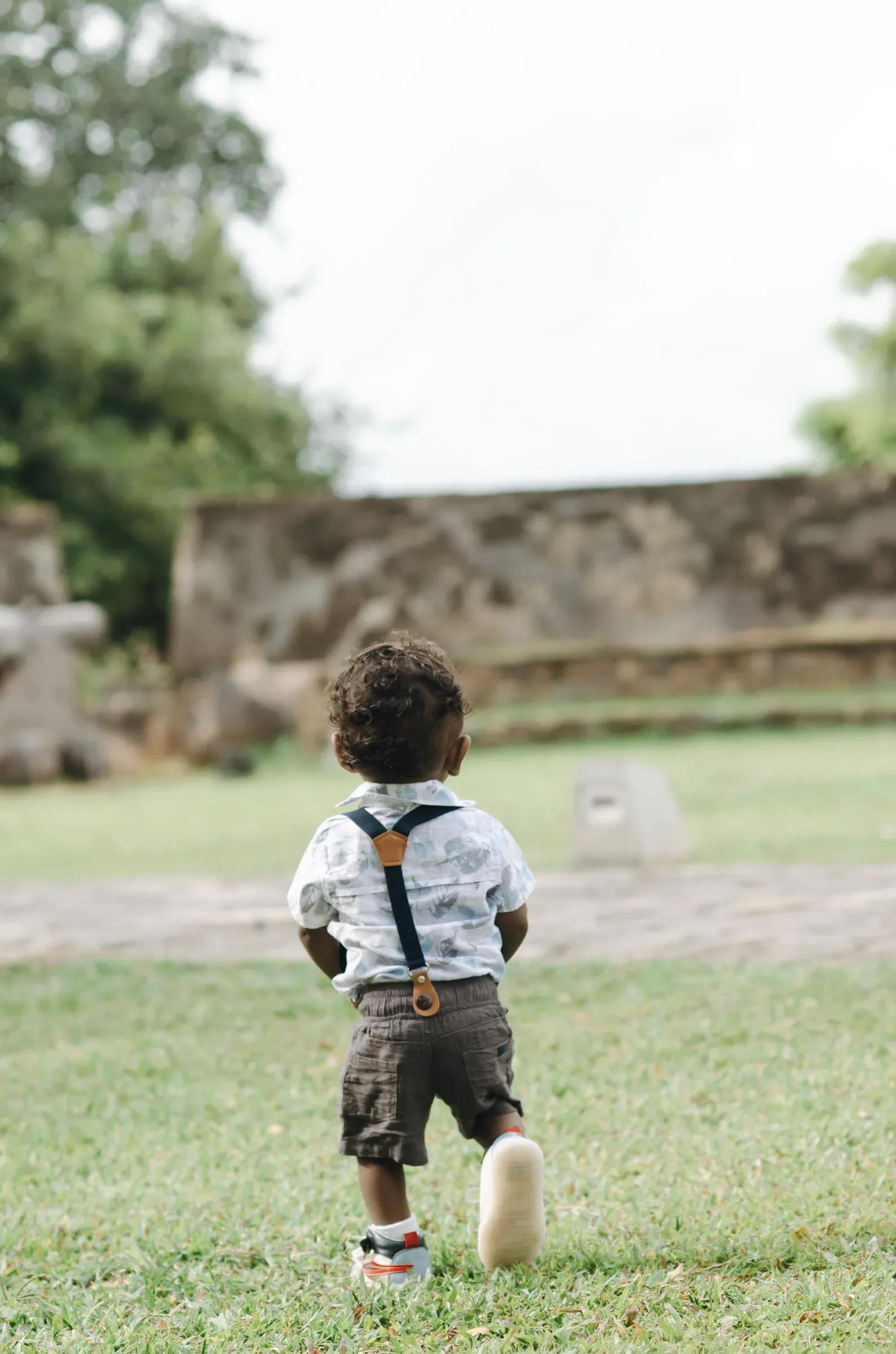
Potty training does not need to pause every park trip. Make the route and bathroom plan visible, pack a complete backup for the child who needs it, and leave before a small accident becomes a full crisis.
Check the bathroom plan before leaving
Know where the nearest restroom is and whether the route from the play area is practical. If there is no bathroom, decide whether the outing will be short and close to home or whether your family needs a portable toileting plan. Follow the child’s usual care routine and local rules.
Offer a bathroom visit before leaving home. Do not frame it as a test the child can fail; make it a normal part of getting ready. Tell the child where you will go at the park and use the same words you use at home.
The American Academy of Pediatrics’ potty-training guidance describes readiness as noticing the urge, understanding what it means, and communicating a need for help. Use your child’s own signals and clinician’s advice; the packing plan cannot predict when a child will be ready or prevent every accident.
Pack one complete backup
Put these supplies in a waterproof or washable inner bag:
- Underwear or training pants used by your child
- Pants, shirt, and socks
- Wipes and tissues
- A small bag for wet or soiled clothing
- Hand-cleaning supplies
- A familiar comfort item if transitions are difficult
For a short trip, pack the minimum complete change. For a longer picnic, pack an extra bottom layer if your child often needs one. Keep the backup accessible rather than buried beneath the picnic blanket.
The one-bag park kit uses a separate change zone. For a picnic, pair it with the toddler picnic packing list.
Use predictable bathroom pauses
Plan a pause when you arrive, before eating, and before leaving if that matches your child’s routine. Watch for the child’s signals rather than forcing a schedule that does not fit. A calm prompt works better than repeated urgent questions while the child is absorbed in play.
When you leave the play area, give the child a choice that keeps the destination fixed: “Bathroom first, then water,” or “Walk or hold hands?” The park visit checklist provides a repeatable arrival and departure rhythm.
If an accident happens
Move to a private, practical place and keep your voice neutral. Help the child change, seal the wet clothing, clean hands, and decide whether the family can continue. If the child is upset or the spare outfit is gone, go home.
Do not make the accident the story of the outing. Say, “Your clothes are wet. We have a change,” then return to the next step. At home, restock the backup immediately.
Make the next outing easier
After the trip, note the one detail that would have helped: a bathroom map, an earlier pause, a second pair of socks, or a shorter route. Add only that item to the kit. A small reliable setup keeps the child practicing normal outings while the skill develops.
Explore more park outings.