Water Bottles for Preschoolers’ Park Days: Options Compared
Compare preschool water bottles by sip style, capacity, carry loop, cleaning, and how the bottle fits a park bag.
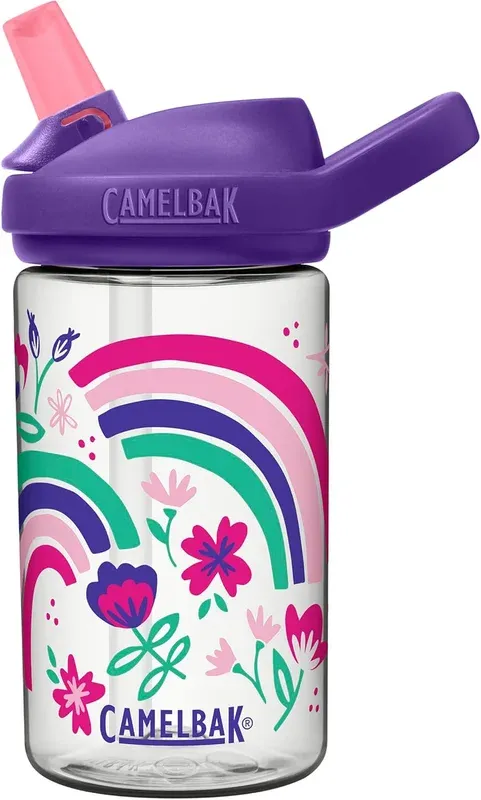
Choose a preschool water bottle by whether the child can drink from it, carry it, and return it to the bag. A bottle that is too complicated or too heavy may be less useful than a smaller bottle the child actually uses.
This guidance draws on the linked manufacturer pages and product listings. No leak, durability, temperature, or hands-on performance test is claimed.
Two bottle formats to match to the child
The CamelBak Eddy+ Kids 14-ounce bottle uses CamelBak’s flip, bite, and sip straw system and is listed by the manufacturer for ages 3 and up. CamelBak also lists a dishwasher-safe bottle and cap. It is leak-resistant when closed, so compare the drinking motion and cleaning routine with what the child can manage before buying.
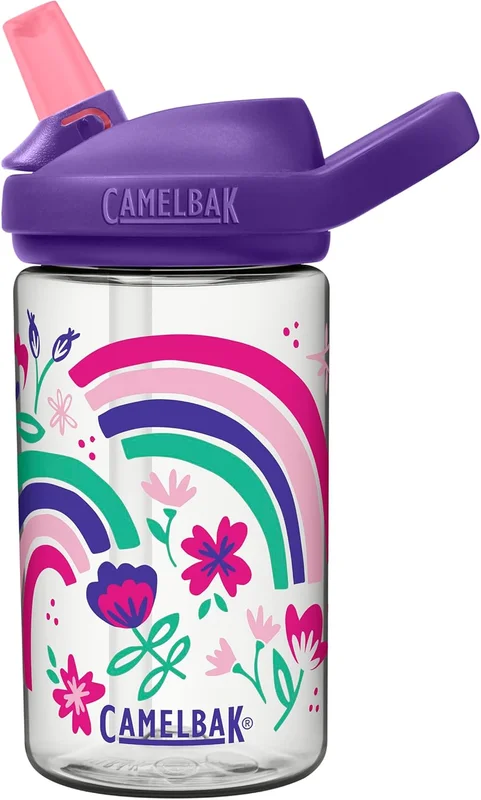
CamelBak Eddy+ Kids 14-ounce bottle
The CamelBak Eddy+ Kids insulated stainless-steel 12-ounce bottle is a kid model with a bite-valve straw system and vacuum insulation. Choose the insulated metal format when cold water matters and the child is comfortable with the bottle’s added bulk; the adult should confirm that the lid can be taken apart and cleaned as directed.
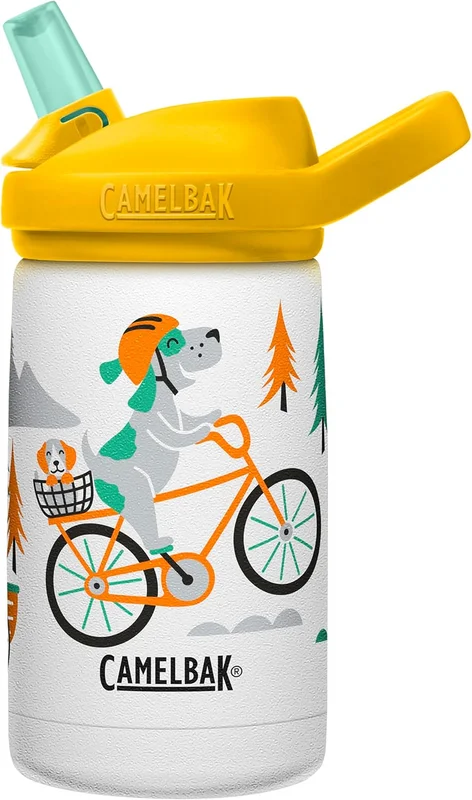
CamelBak Eddy+ Kids insulated stainless-steel 12-ounce bottle
Compare the drinking interface
Look at the lid, valve, straw or spout, and the steps needed to open and close it. Ask whether the child can use it while sitting and whether an adult can clean every part. Avoid selecting a bottle solely because it has a large capacity.
The official CamelBak Eddy+ Kids page currently identifies a 14-ounce Eddy+ Kids bottle and lists its current materials and features on the product page. Recheck the exact age guidance, capacity, material, and cleaning directions before buying because product pages change.
Match capacity to the outing
For a short park stop, a smaller bottle may fit the child’s bag and be easy to carry. For a hot or longer visit, plan the total water and a refill source rather than assuming one child-size bottle is enough. The hot-weather outing guide explains why water and duration should be planned together.
Have the child try the empty or water-filled bottle at home. Check whether the weight changes how they walk, climb, or put the bottle away.
Check the carry points
Look for a handle or loop that works with the child’s bag and the adult’s hand. Check that the closure stays closed when the bottle is turned or packed. Read the maker’s care instructions for the lid, straw, gasket, and bottle body.
Pack a small bag for a leak or spill even when the maker describes a leak-resistant design. The one-bag park kit keeps cleanup and spare clothing separate from food.
Treat cleaning as a deciding feature
Disassemble the parts the manufacturer says to remove. Check whether the bottle can be washed using your normal routine and whether every area dries. A design that is hard to clean may not be used consistently.
Do not add flavored drinks or sticky liquids just to test the bottle. Use the child’s ordinary water routine and follow the product instructions.
Make the final choice
Choose the bottle that matches the child’s drinking skill, the route, the required water, and your cleaning routine. Recheck the exact model page and inspect the bottle for damage before use. On a very hot day, follow current NWS heat guidance for children and shorten the outing if needed.
Mark the bottle with the child’s name or a simple family identifier, then make returning it part of the departure routine. If two children use different lids or sizes, keep them in separate bag pockets. Replace a damaged bottle or lid according to the maker’s instructions rather than treating a crack or missing seal as a minor leak.
Explore more park outings.