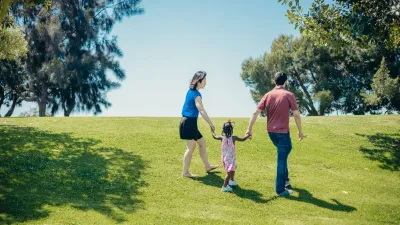
A Park Picnic Outing Plan for About 90 Minutes
Follow a flexible 90-minute park picnic plan with arrival, play, food, cleanup, and a calm departure.

A 90-minute park picnic needs a little structure because food, play, and cleanup all compete for the same time. Treat the plan as four blocks and leave room to shorten any block when a child needs a break.
Before leaving
Check the route, weather, bathroom access, and the place where you can sit. Pack water, food, a blanket or sit pad, wipes, trash bags, a spare layer, and toileting supplies. Use the park picnic checklist if more than one adult is packing.
Keep the first snack or water easy to reach. Keep food that needs cold storage in a suitable cold setup and follow the USDA’s food safety guidance for hiking and camping.
A flexible 90-minute rhythm
Minutes 0–10: Arrive and orient. Choose the play boundary, point out the bathroom, and place the bag where an adult can see it. Offer water and let children move into the first activity.
Minutes 10–40: Main play. Let children use the park in their own way while the adult keeps the boundary visible. Give a five-minute warning before moving to food.
Minutes 40–65: Picnic and reset. Wash or clean hands, serve small portions, and keep food in closed containers between servings. Children can finish eating and return briefly to a nearby activity.
Minutes 65–80: Second play or quiet choice. Use this block for a shorter activity, a walk back to the meeting point, or a calm sit-down. Avoid starting a complicated new setup.
Minutes 80–90: Departure. Announce the final drink, gather people, close food, check the ground, and leave.
The packing list by visit length helps when the 90-minute plan becomes a shorter visit. For a child who needs a nap or a predictable return, use the nap-time park plan.
Make the picnic movable
Do not spread every item on the blanket. Keep food, water, and cleanup supplies in separate zones. If the ground becomes damp or crowded, you should be able to fold the blanket and move without repacking an entire kitchen.
Give each child a small task: carry a napkin, return a cup, or check for their water bottle. An adult still checks the food and the final ground area.
Shorten without making it a failure
Leave early if the weather changes, a child is cold or overheated, food cannot be kept safe, or the route home is becoming difficult. A 55-minute picnic that ends calmly is a successful plan. Use the last-minute park stop plan the next time you need a smaller version.
Keep the food block flexible. If children are hungry early, move the picnic forward and use the second play block afterward. If the park becomes busy, close the meal, move the base, or end the visit. The time blocks organize the outing; they do not require the family to ignore a practical change.
Explore more park outings.