How to Plan a Park Visit Around Nap Time
Fit a park visit around a toddler’s nap by choosing the right window, route, and exit plan.
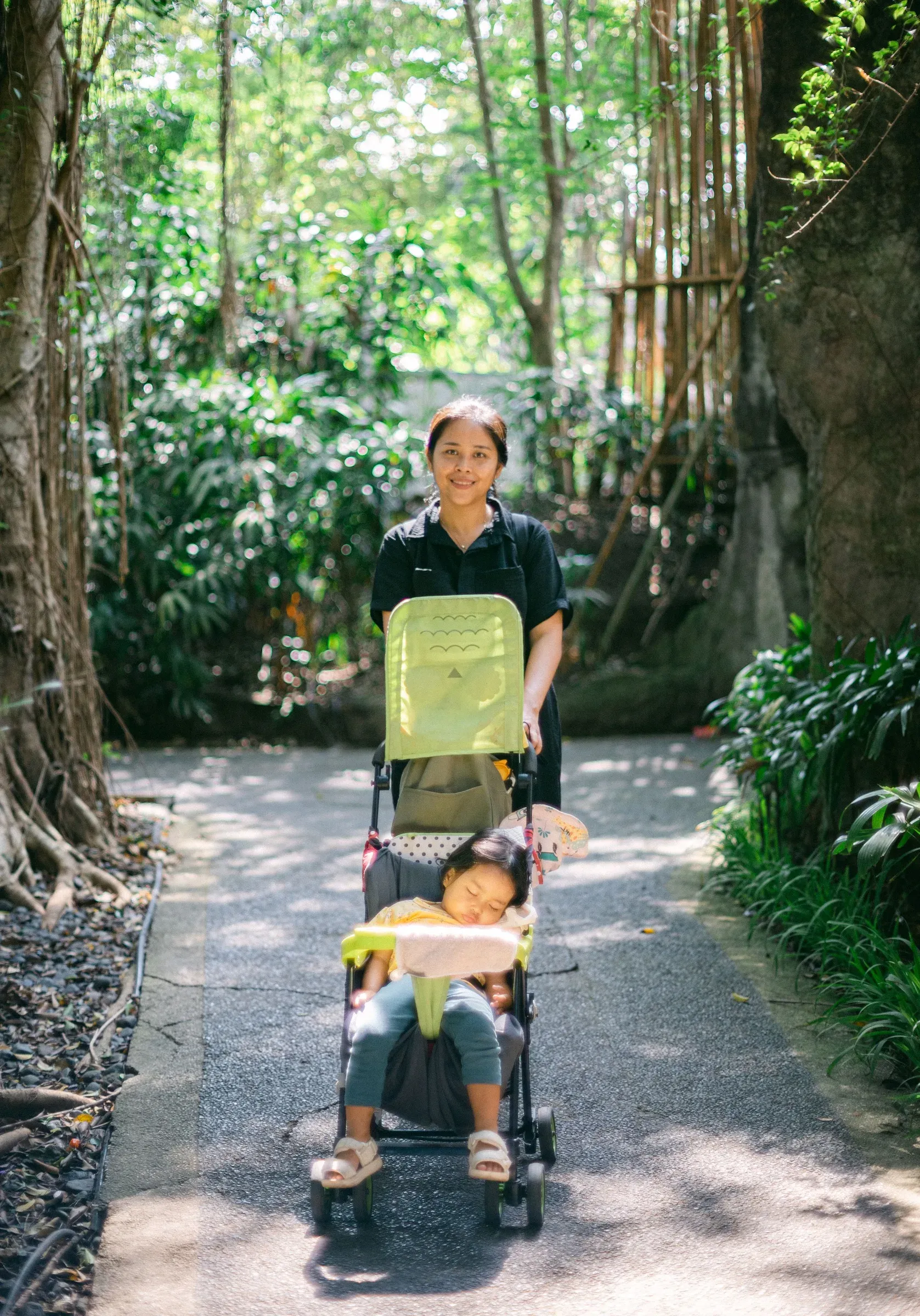
Plan the park visit around the child’s actual sleep window rather than an ideal schedule. A short visit before a nap may work when the route home is easy. A longer visit after a nap may work better when the child needs time to wake, eat, and settle.
The CDC’s sleep guidance gives age-based daily sleep ranges and includes naps for toddlers and preschoolers. Use those ranges as general context, not as an individual nap prescription; a child’s usual pattern and health advice from their clinician take priority.
Choose one of three windows
Before nap: Use this when the child is usually cheerful and the trip home is short. Set a firm end time and begin the return before the child is overtired.
After nap: Use this when the child needs a slow snack and transition before active play. Pack food where it can be offered as soon as the child wakes.
Nap on the route: Use only when your normal stroller, carrier, or car routine already supports sleep safely and comfortably. The park should remain optional; do not turn a missed nap into a long struggle.
The baby and older sibling park plan helps when two sleep schedules overlap.
Pack for the transition
Bring water, a familiar snack, a spare layer, wipes, and any ordinary sleep or comfort item your child uses. Avoid adding a full toy collection to a short pre-nap outing. The visit-length packing list helps match the bag to the available time.
If the child is waking from a nap, offer the snack before expecting a decision about play. If the child is heading toward a nap, keep the final activity calm enough to leave.
Watch the clock and the child
Set an alarm or use a visible time marker so you do not lose the return window. Also watch for the child’s usual tired signs: slower movement, repeated conflict, sudden crying, or difficulty with a familiar step. Those signs matter more than finishing one more activity.
Tell the child the sequence: “One more turn, water, shoes, then home for rest.” Keep the same words each time. The park visit checklist provides the departure steps.
Have a recovery plan
If the child misses the planned nap, shorten the visit and make the trip home easy. If the child falls asleep on the route, follow your normal safe sleep practices and do not add unnecessary stops. A later bedtime or a quiet afternoon may be the practical recovery.
On hot or cold days, use the hot-weather outing prep or cold-weather outing prep to set a shorter limit. Weather and sleep pressure together can make a normal park visit too long.
Let the plan change
The useful part of a nap-time plan is the exit decision. If the child wakes early, you can extend a little. If the child is struggling, you can leave. A predictable return home protects the next sleep opportunity and keeps the park associated with a manageable family rhythm.
Explore more park outings.